Season-less dressing is defined as the practice of choosing garments designed for year-round wear, free from the constraints of traditional spring/summer and autumn/winter fashion cycles. In 2026, this approach has moved from niche philosophy to mainstream wardrobe strategy, driven by sustainability pressures, shifting consumer values, and a growing rejection of disposable trend culture. What does season-less dressing mean in practical terms? It means building a wardrobe around neutral colours, minimalist silhouettes, and durable fabrics that remain relevant beyond a single season. Designers like Maggie Hewitt of Maggie Marilyn and major fashion houses have embraced this model, signalling that the old seasonal calendar is losing its grip on how we dress.
What does season-less dressing mean for your wardrobe?
Season-less dressing moves away from traditional biannual fashion seasons towards a continuous, year-round availability model focused on longevity and utility. The industry term you will encounter alongside it is “trans-seasonal dressing,” which refers to the same principle: clothing that crosses seasonal boundaries without losing relevance or style. Both terms describe a wardrobe philosophy built on permanence rather than novelty.
The core principles are straightforward. Garments are selected for their ability to function across multiple climates, occasions, and styling contexts. A well-cut linen blouse worn in july with sandals becomes, in october, a layering piece under a knit cardigan. The piece itself has not changed. Only the context has.
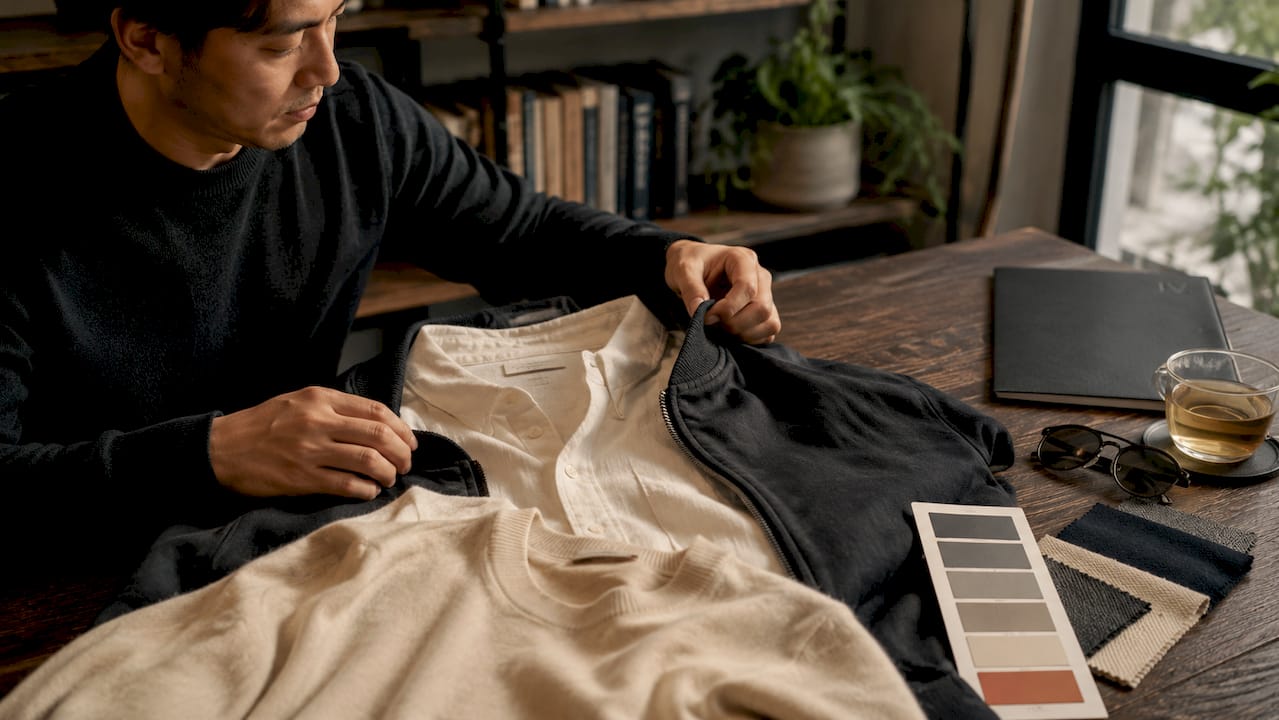
Fashion is shifting towards permanence and personalisation. Customers now seek versatility and identity-driven wardrobes rather than weather-based dressing. This is not a minor stylistic preference. It represents a fundamental change in how people relate to clothing.
The core benefits of season-less style
The advantages of adopting a season-less approach are concrete and measurable across both personal and environmental dimensions:
- Fewer purchases, longer use. Pieces chosen for longevity replace multiple trend-driven items bought and discarded within months.
- Reduced wardrobe fatigue. A cohesive, neutral-anchored wardrobe is easier to style daily because every piece works with every other.
- Lower environmental impact. Buying less and buying better directly reduces the volume of textile waste entering landfill each year.
- Financial savings. Investing in quality basics costs more upfront but eliminates the cycle of seasonal replacement shopping.
- Adaptability across occasions. A well-chosen midi dress or structured blouse moves from the office to an evening out without a complete outfit change.
Pro Tip: When assessing a potential purchase for season-less suitability, ask yourself whether you can style it three different ways across three different temperatures. If you cannot, it is a seasonal piece, not a wardrobe investment.
How does season-less dressing differ from traditional seasonal fashion?
Traditional fashion operates on a biannual calendar: spring/summer collections arrive in january and february, autumn/winter collections land in july and august. Retailers stock heavily, then discount aggressively to clear inventory before the next cycle begins. This model generates enormous waste and trains consumers to expect constant newness.
Major fashion houses in 2026 have reduced collections from five to two, focusing on trans-seasonal runs to reduce inventory and premature discounting. That reduction is significant. Fewer collections mean fewer garments produced speculatively, fewer markdowns, and a stronger relationship between what is made and what is actually worn.
Customer demand no longer follows rigid seasonal patterns but prioritises relevance, availability, and convenience. Brands that respond with agile inventory and real-time replenishment reduce overproduction risk and avoid the markdown spiral that erodes both profit and brand perception.
The table below shows the key differences between the two models:
| Factor | Traditional Seasonal Fashion | Season-Less Fashion |
|---|---|---|
| Collection frequency | 2–5 collections per year | Continuous or reduced drops |
| Garment lifespan | 1–2 seasons | Multiple years |
| Discount pressure | Heavy end-of-season markdowns | Minimal, items remain relevant |
| Consumer behaviour | Trend-driven, frequent purchases | Considered, quality-focused buying |
| Environmental impact | High overproduction and waste | Reduced waste through stable demand |
| Design focus | Trend-led silhouettes and colours | Timeless cuts, neutral palettes |
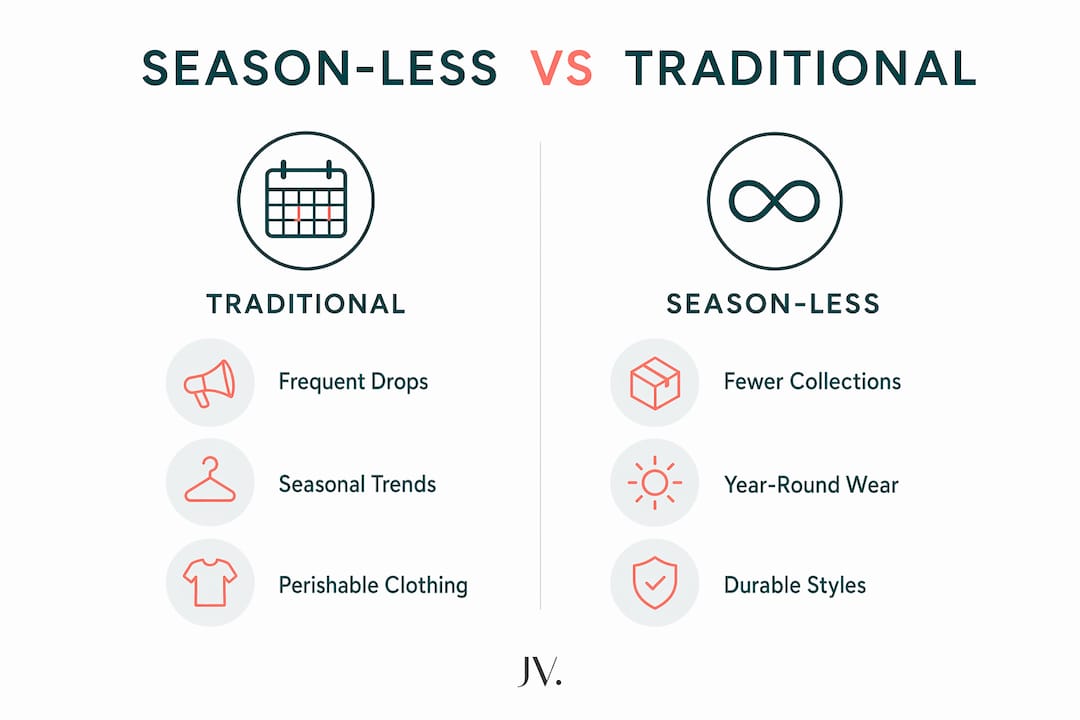
The contrast is stark. Traditional seasonal fashion treats clothing as perishable. Season-less fashion treats it as durable. That single shift in perspective changes everything downstream, from how brands plan production to how consumers shop.
How to build and style a season-less wardrobe
Building a season-less wardrobe is a deliberate process. It starts with foundations and builds outward through layering and selective accent pieces. Follow these steps to create a wardrobe that works across every month of the year.
-
Start with neutral-coloured basics. Invest in pieces in ivory, camel, navy, stone, and charcoal. These colours work across all seasons and mix without effort. A stone-coloured midi dress, for example, layers under a camel cardigan in cooler months and stands alone in summer.
-
Choose fabrics that travel across temperatures. Linen, cotton jersey, ponte, and lightweight wool all perform across a broad temperature range. Avoid fabrics that are strictly warm-weather (thin chiffon) or cold-weather only (heavy boucle). Mid-weight fabrics are your best allies.
-
Prioritise multi-functional garment features. Removable linings, adjustable tailoring, and convertible necklines extend usability across temperatures and occasions. A belted midi dress with wide sleeves, for instance, reads formal in winter with boots and a blazer, and casual in summer with flat sandals.
-
Build a layering system. Cardigans, lightweight knits, and longline blazers are the workhorses of a season-less wardrobe. They add warmth without committing to a heavy coat, and they change the register of any outfit beneath them. A floral blouse worn alone in august becomes a polished layered look in november with a fine-knit cardigan over the top.
-
Use accessories and accents to stay current. Season-less fashion is not about eliminating trends but layering lasting staples with trendy accents in accessories or seasonal colours. A sculptural clutch bag or a pair of statement earrings updates a classic outfit without requiring a full wardrobe overhaul.
-
Edit regularly, not seasonally. Instead of a biannual wardrobe clear-out, review your pieces every few months. Remove anything that no longer fits your life or your style. Add one or two considered pieces that fill genuine gaps.
Pro Tip: Mixing textures within a neutral palette creates visual interest without relying on colour or trend. Try pairing a matte linen blouse with a ribbed knit cardigan and leather-look trousers. The outfit reads polished and current without a single trend-driven piece.
For practical guidance on building your minimalist wardrobe foundations, Jvwear’s editorial covers the building blocks in detail.
What are the sustainability impacts of season-less dressing?
Season-less fashion is one of the most direct responses the industry has to the environmental damage caused by fast fashion. The connection is not abstract. Fewer collections mean fewer garments produced, fewer shipped, and fewer discarded.
Seasonless fashion allows brands to use data analytics for stable production focused on items with constant demand, reducing micro-season launches and waste. Long-term trend analysis enables investment in quality and craftsmanship rather than volume. That is a structural shift, not a marketing claim.
The cultural dimension is equally significant:
- Consumers are moving away from impulse buying driven by seasonal campaigns and towards purposeful, identity-led purchasing decisions.
- Brands adopting season-less models avoid heavy discounting because clothing remains relevant year-round, benefitting brand health and consumer value.
- The slow fashion movement, which shares significant overlap with season-less principles, encourages consumers to understand the impact of avoiding fast fashion and making more considered choices.
- Permanent collections reduce the psychological pressure to buy new items each season, which in turn reduces the volume of lightly worn clothing sent to landfill.
“Fashion is influenced more by individual lifestyles than calendar seasons.” This shift, noted across industry analysis in 2026, reflects a consumer base that is choosing clothes to express who they are rather than what month it is.
The slow fashion philosophy that underpins season-less dressing is not a passing trend. It is a structural response to decades of overproduction, and it is gaining ground with every generation of consumer that prioritises value over volume.
Key takeaways
Season-less dressing is the most practical and sustainable wardrobe strategy available to fashion-conscious consumers in 2026, built on timeless pieces, neutral palettes, and deliberate purchasing.
| Point | Details |
|---|---|
| Core definition | Season-less dressing means choosing garments designed for year-round wear, free from seasonal fashion cycles. |
| Design principles | Neutral colours, minimalist silhouettes, and durable fabrics are the foundation of any season-less wardrobe. |
| Sustainability benefit | Fewer collections and considered purchasing directly reduce overproduction, waste, and textile landfill. |
| Practical strategy | Layer neutral basics with accessories and accent pieces to stay current without full seasonal overhauls. |
| Industry shift | Major fashion houses are reducing collection frequency, confirming that trans-seasonal dressing is now mainstream. |
Season-less dressing: my honest perspective
I have watched the fashion industry cycle through the same seasonal panic for years. New collections arrive, consumers feel pressure to update, wardrobes fill with pieces worn twice, and the cycle repeats. Season-less dressing breaks that loop, and I think it is genuinely liberating once you commit to it.
The most common mistake I see is treating season-less style as an excuse to buy nothing at all, or worse, to dress in a way that feels joyless and uniform. That is not the point. The point is to buy better, not to stop caring about how you look. A beautifully cut belted midi dress worn with boots in february and sandals in june is not a compromise. It is a smarter choice.
The other pitfall is abandoning personality in the pursuit of neutrals. Timeless does not mean beige and boring. It means choosing pieces with enough quality and character to remain interesting across years, not just seasons. A floral blouse in a classic cut, a well-proportioned cardigan, a structured bag: these are pieces with staying power precisely because they are well made and thoughtfully designed.
My advice is simple. Start with three or four genuinely versatile pieces, learn how to style comfortable everyday outfits around them, and resist the urge to fill gaps with trend-driven purchases. The wardrobe you build slowly and deliberately will serve you far better than one assembled in seasonal bursts.
— Mykola
Discover season-less pieces at Jvwear
If you are ready to put season-less principles into practice, Jvwear’s collection is a strong starting point. The range includes pieces designed specifically for year-round versatility: think lightweight blouses that layer beautifully, midi dresses cut to work across occasions, and cardigans that earn their place in every season.
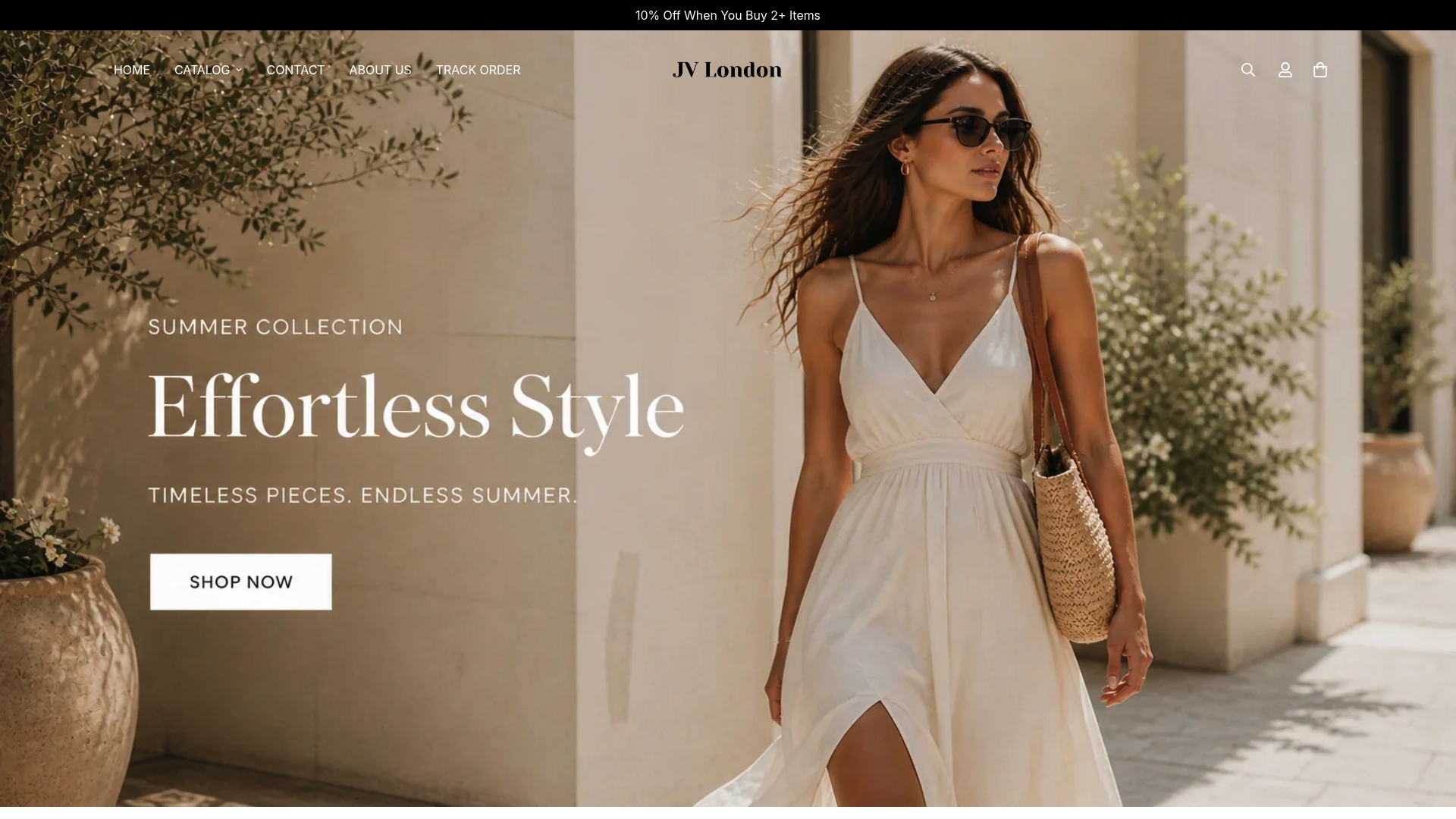
The Jvwear cardigan collection is built around exactly the kind of layering pieces a season-less wardrobe depends on. For a centrepiece dress that moves from casual to formal with a change of shoes, the Tindra Belted Midi Dress is worth a look. Jvwear offers free UK shipping and hassle-free returns within 30 days, so building your season-less wardrobe carries no risk. Browse the full collection at jvwear.com and find pieces that work as hard as you do.
FAQ
What is the season-less fashion definition?
Season-less fashion is clothing designed for continuous, year-round wear rather than specific seasonal collections. It prioritises neutral colours, durable fabrics, and timeless silhouettes over trend-driven design.
How does season-less dressing differ from capsule wardrobes?
A capsule wardrobe is a curated set of versatile pieces, while season-less dressing is a broader philosophy about when and how clothing is designed and purchased. The two concepts overlap significantly and work well together.
What fabrics work best for season-less outfits?
Mid-weight fabrics such as linen, cotton jersey, ponte, and lightweight wool perform across the widest temperature range. These materials layer well in cooler months and breathe adequately in warmer weather.
Is season-less dressing more expensive?
The upfront cost of quality, durable pieces is higher than fast fashion alternatives. Over time, however, buying fewer, better items reduces total spending because pieces are not replaced every season.
Can you still follow trends with a season-less wardrobe?
Season-less dressing does not mean ignoring trends entirely. The approach uses lasting staples as a foundation and incorporates current trends through accessories, accent colours, and statement pieces rather than full wardrobe changes.