Everyday outfit building blocks are versatile pieces that coordinate with at least half of your wardrobe, enabling effortless, stylish dressing without decision fatigue. In fashion, these are also called wardrobe staples or capsule essentials. Stylist Audree Kate López defines a true essential as something that pairs with 50 to 75% of the rest of your wardrobe for that season. That single criterion separates a genuine building block from a one-wear wonder. This guide breaks down exactly which pieces qualify, how to organise them using the module method, and how to turn a small, considered wardrobe into dozens of distinct looks.
1. What makes a piece a true everyday outfit building block?
Not every item you love belongs in your core wardrobe. A fashion building block earns its place by passing three tests: versatility, adaptability, and wearability.
Versatility is the non-negotiable. As López notes, a staple must work with the majority of what you already own. If a top only pairs with one specific trouser, it is a statement piece, not a building block.
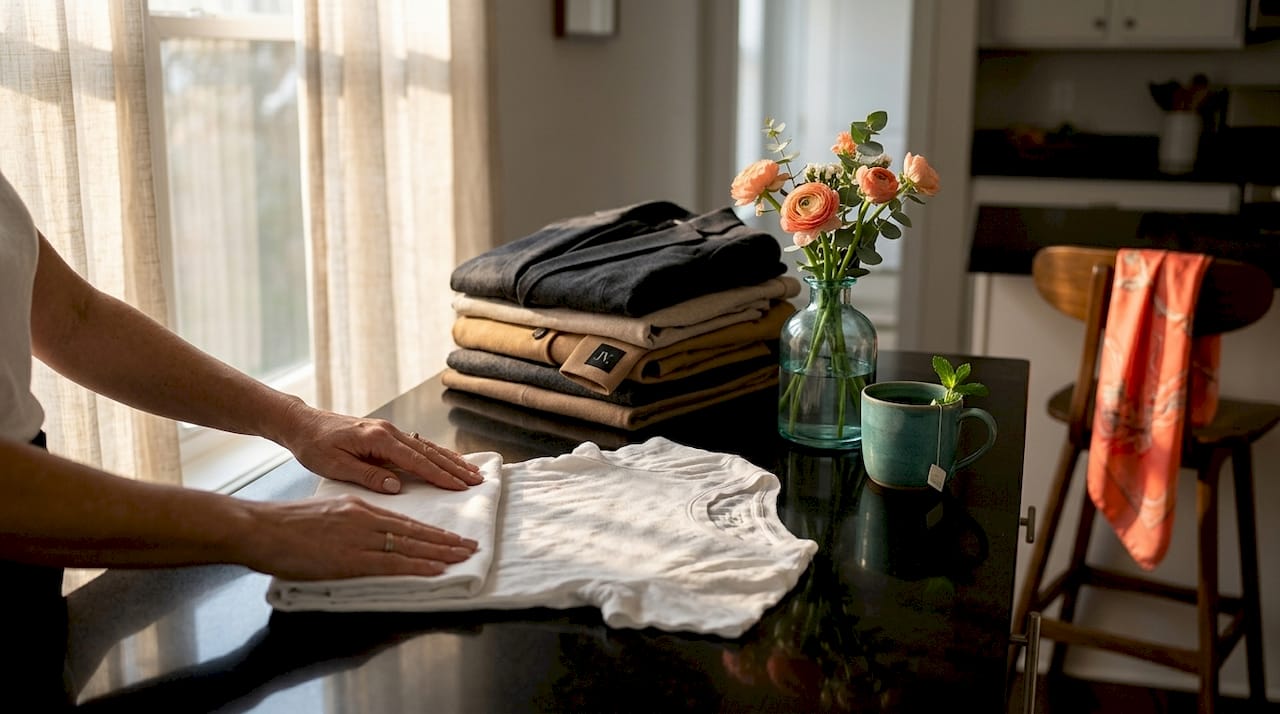
Adaptability means the item can serve multiple roles. A white fitted T-shirt works as a base layer under a blazer, a standalone top tucked into a midi skirt, or a casual layer beneath a quilted jacket. Compatibility audits should check whether a piece can function as a base layer, a standalone, and a transition piece before you buy it.
Wearability covers comfort and fit. Pieces you reach for daily need to feel as good as they look. Soft tops, simple trousers, and light layers reduce morning decision-making and make getting dressed feel automatic rather than stressful.
The module method, developed by The Mom Edit, gives this a practical structure. Each module consists of 2 pairs of trousers, 3 tops, 1 outer layer, and 1 pair of shoes. This ratio creates repeatable outfit blocks and makes wardrobe gaps immediately visible.
Pro Tip: Before buying anything new, log your current clothing into categories. The module method works best when you can see exactly what you have and what is missing, rather than shopping by impulse.
2. The core staple pieces every wardrobe needs
These are the items that style editors at Vogue and InStyle return to year after year. Core staples include white T-shirts, black blazers, tailored trousers, minimalist handbags, and fashion flats as foundational pieces. Here is how they break down by category.
Tops
- White T-shirt: The single most versatile piece in any wardrobe. Works under blazers, over bralettes, tucked into skirts, or knotted at the waist.
- Button-down shirt: Wear it open over a ribbed tank, fully buttoned for a polished look, or tied at the hem for a casual finish.
- Crewneck sweater: A neutral-toned crewneck in grey, oatmeal, or navy layers over everything and transitions across seasons.
- Ribbed tank top: The quiet workhorse. Pairs with tailored trousers for a sleek look or with straight-leg jeans for a relaxed one.
Bottoms
- Straight-leg jeans: Both light and mid-wash options earn their place. Light wash reads casual; mid-wash reads polished.
- Black tailored trousers: The fastest route from daytime to evening without changing your entire outfit.
- Midi skirt: A knit or satin midi skirt adds femininity and works with trainers as easily as it does with heeled boots.
Outerwear
- Blazer in a neutral shade: Camel, black, or ivory. A blazer transforms any outfit from relaxed to considered in seconds.
- Trench coat: Timeless across decades and seasons. Works over everything from a slip dress to a hoodie.
- Quilted or leather jacket: Adds texture and edge to simple base layers without overwhelming them.
Shoes
- Clean white trainers: The most-worn shoe in a minimalist wardrobe. Pairs with dresses, trousers, and jeans equally well.
- Ankle or knee-high boots: A heeled boot adds height and polish; a flat boot adds practicality without sacrificing style.
- Simple flats or loafers: For days when comfort is the priority but you still want a finished look.
Dresses and sets
A little black dress, a knit dress, and a coordinated set each function as single-piece outfits, which makes them high-value building blocks. A midi dress in particular offers the most styling range of any dress length, working with trainers, boots, and sandals across all seasons.
| Category | Key pieces | Why they work |
|---|---|---|
| Tops | White tee, button-down, ribbed tank | Pair with almost every bottom |
| Bottoms | Straight-leg jeans, black trousers, midi skirt | Cover casual to polished occasions |
| Outerwear | Blazer, trench coat, quilted jacket | Update any base outfit instantly |
| Shoes | White trainers, boots, loafers | Shift the tone of an outfit without changing it |
| Dresses | LBD, knit dress, midi dress | Single-piece solutions for any occasion |
3. How to mix and match your staples into multiple outfits
The module method provides a cognitive shortcut by limiting item quantities, which makes outfit combinations visible and reduces the overwhelm of a crowded wardrobe. Once your modules are in place, the combinations multiply quickly.
Here are three outfit formulas that work across different occasions:
- Casual: White ribbed tank plus straight-leg jeans plus white trainers plus a quilted jacket. Add a tote bag and minimal gold jewellery.
- Polished casual: Button-down shirt tucked into a midi skirt plus loafers plus a structured handbag. Swap the loafers for ankle boots in cooler months.
- Dressy: A belted midi dress plus heeled boots plus a simple clutch. A blazer over the top takes it from dinner to a work event.
The key principle is to keep your base layers neutral and let outerwear and accessories carry the variation. Accessories like vintage-inspired bags, jewellery, and classic footwear create perceived variety without expanding the wardrobe. A single outfit of jeans and a white tee reads completely differently with a structured leather bag and gold hoops versus a canvas tote and a baseball cap.
Visual planning helps. Take photos of combinations you like and save them to a folder on your phone. This removes the morning guesswork and helps you spot which pieces are genuinely earning their place.
Pro Tip: Treat your base layers as fixed and your outer layers as variables. Changing just the jacket or the shoes from one outfit to another creates a new look without rebuilding from scratch.
4. Seasonal updates without a wardrobe overhaul
A minimalist wardrobe does not mean wearing the same thing in July and January. The approach is to keep a stable inner core and rotate outer layers and accessories with the seasons.
Vogue’s yin-yang wardrobe approach combines stable staples with a small number of trend-forward pieces. The staples never leave; the trend pieces rotate. This keeps your wardrobe current without the cost or clutter of a full seasonal refresh.
For summer, a 7-piece capsule built around drawstring trousers, linen blouses, satin skirts, and slim trainers covers most warm-weather occasions. These pieces layer back onto your core wardrobe in transitional months rather than sitting unused.
The practical rule is this: treat trend pieces as outer layers or accessories. A leopard-print belt, a colour-pop bag, or a statement boot updates a neutral base outfit for the season without requiring you to rebuild your wardrobe. Your white tee and straight-leg jeans stay. The accessories around them shift.
- Spring and autumn: Add a trench coat and swap trainers for ankle boots. Introduce lighter knitwear over your core tops.
- Summer: Remove the outer layers and introduce linen or satin pieces as your new base options. Sandals and heeled flip-flops replace boots.
- Winter: Layer a crewneck under a blazer, add a quilted jacket on top, and introduce heavier-knit dresses. Boots become the primary shoe.
The capsule wardrobe ecosystem works because each new piece has multiple outfit partners. When you add a seasonal item, check that it works with at least three existing pieces before buying it.
Key takeaways
A wardrobe built on versatile, high-quality staples that each pair with the majority of your existing pieces will always outperform a wardrobe built on individual favourites with no outfit partners.
| Point | Details |
|---|---|
| Versatility is the core criterion | A true building block pairs with at least 50 to 75% of your existing wardrobe. |
| Use the module method | Structure your wardrobe in blocks of 2 trousers, 3 tops, 1 outer layer, and 1 pair of shoes. |
| Accessories create variety | Changing a bag or shoes shifts the tone of an outfit without adding new clothing. |
| Keep your core stable | Rotate outer layers and accessories seasonally rather than replacing your entire wardrobe. |
| Audit before you buy | Log what you own and identify gaps before purchasing anything new. |
Why I stopped chasing trends and started building a wardrobe that actually works
I spent years buying pieces I loved in isolation and wondering why nothing felt like an outfit. A printed blouse with no trousers to match it. A beautiful skirt that only worked with one specific top. The wardrobe looked full but felt useless at 7am on a Tuesday.
The shift came when I started applying the minimalist outfit formulas approach and treating my wardrobe as a system rather than a collection. I audited what I actually wore in a two-week period and found that six pieces were doing about 80% of the work. Everything else was noise.
What surprised me most was how much accessories changed the equation. The same jeans and crewneck combination felt completely different with a structured bag and gold jewellery versus a canvas tote and no jewellery at all. Styling details create perceived luxury and variety without adding a single new garment. That realisation saved me a significant amount of money.
My honest advice: start with what you already wear and love, not with a shopping list. Build the module around those pieces first. Then fill the gaps deliberately. Comfort and fit matter more than anything else because a piece you do not reach for is not a building block. It is just clutter.
— Mykola
Build your minimalist wardrobe with Jvwear
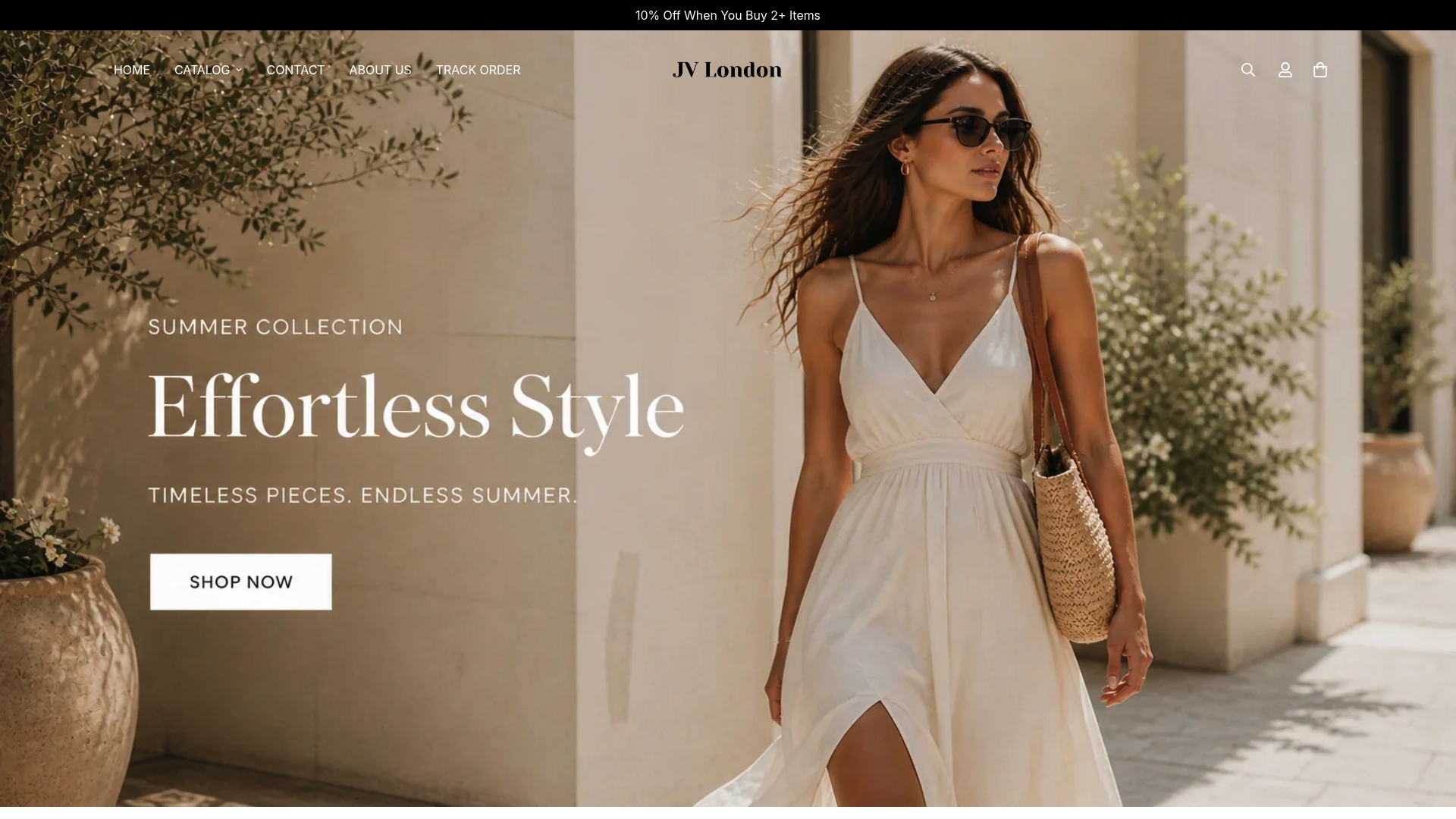
Jvwear’s collection at JV London is built around exactly the kind of versatile, considered pieces that form strong everyday outfit building blocks. The belted midi dress with wide sleeves is a single-piece outfit that works with trainers for a casual day look and heeled boots for an evening out. The linen co-ord set with wide-leg trousers functions as a ready-made module, offering the kind of effortless coordination that takes the guesswork out of getting dressed. If you have identified gaps in your wardrobe using the module method, JV London’s curated range of versatile casual dresses is a practical place to start filling them. Free UK shipping and 30-day returns make it easy to try pieces without commitment.
FAQ
What are everyday outfit building blocks?
Everyday outfit building blocks are versatile wardrobe staples that coordinate with the majority of your other clothing. Stylist Audree Kate López defines them as pieces that pair with at least 50 to 75% of your wardrobe for that season.
How many pieces do I need for a capsule wardrobe?
The module method recommends starting with 2 pairs of trousers, 3 tops, 1 outer layer, and 1 pair of shoes per module. Most women find that two to three modules cover the full range of their daily occasions.
Which staple pieces should I buy first?
Start with a white T-shirt, straight-leg jeans, a neutral blazer, and clean white trainers. These four pieces form the foundation of the most common outfit formulas and work across casual, polished casual, and smart occasions.
How do I keep a minimalist wardrobe current with trends?
Treat trend pieces as outer layers or accessories rather than core items. A statement boot, a printed bag, or a seasonal jacket updates your neutral base outfits without requiring you to replace your staples.
How do I know if a piece is worth buying?
Check that it works with at least three pieces you already own before purchasing. If it only pairs with one item, it is a statement piece rather than a building block and will not earn its place in a minimalist wardrobe.