Most women aged 18 to 35 own more dresses than they actually wear. The problem is not quantity. It is finding the types of versatile casual dresses that genuinely work across multiple settings without requiring a full outfit rethink. These are sometimes called “everyday dresses” in styling circles, though the broader fashion industry uses the term day dresses to describe styles suited to casual and relaxed daywear. The criteria that make a dress truly versatile come down to silhouette, fabric, length, and how easily small styling changes shift the whole look from relaxed to polished.
Table of Contents
- Key takeaways
- What to look for in the best versatile casual dresses
- 1. Jersey dresses
- 2. Shirt dresses
- 3. Wrap dresses
- 4. Midi dresses
- 5. Maxi dresses
- 6. Mini dresses
- 7. Knit dresses
- Comparing casual dress styles at a glance
- Practical styling tips for multiple occasions
- My honest take on finding dresses that actually work
- Discover Jvwear’s versatile dress collection
- FAQ
Key takeaways
| Point | Details |
|---|---|
| Length drives layering potential | Midi and maxi lengths work across seasons and pair well with varied footwear and outerwear. |
| Fabric choice affects year-round wear | Linen, cotton, jersey, and lightweight knits keep dresses comfortable and adaptable. |
| Silhouette determines styling ease | Wrap, shirt, and shift silhouettes transition from casual to smart with minimal effort. |
| Small changes make big differences | Swapping trainers for block heels or adding a blazer shifts any casual dress into polished territory. |
| Neutral tones maximise wearability | Classic prints and muted colours work with more accessories and layering pieces. |
What to look for in the best versatile casual dresses
Before buying any dress, it helps to run it through a simple checklist. Not every style passes, and that is fine, but the best versatile casual dresses women reach for again and again share a few qualities.
Length. Midi and maxi lengths offer more layering and coverage options, which means they adapt better across seasons. A midi worn in summer with sandals becomes a winter piece under a roll-neck and knee-length boots. Mini lengths work too, especially layered over wide-leg trousers for cooler months.
Silhouette. Shirt dresses, wrap dresses, and shift styles are the three most commonly filtered cuts when shoppers search for adaptable styles. Each silhouette has a different strength, covered in more detail below.
Fabric. Linen, cotton, and lightweight knits deliver breathability and comfort without sacrificing structure. Jersey is particularly forgiving and rarely needs ironing.
Colour and print. Neutral tones such as ecru, navy, khaki, and stone work with the most accessories. Classic prints like gingham, small florals, and thin stripes stay relevant season after season rather than feeling trend-specific.
Pro Tip: Buy your first versatile dress in a neutral tone or a classic print. Once you know how you style it, you can bring in bolder colours with confidence.
1. Jersey dresses
Jersey dresses are the category that professional stylists and fashion editors return to repeatedly, and for good reason. The fabric stretches with you, drapes well, and skips the ironing board entirely.
A jersey midi worn with white trainers and a tote bag is effortless weekend dressing. The same dress with a structured leather bag and heeled sandals reads as a smart lunch outfit. Jersey also layers well under an oversized blazer for a pulled-together look that takes minimal effort.
Look for jersey with a bit of weight to it. Thinner jersey clings and needs more careful styling, while a mid-weight jersey holds its shape and skims the body without being too fitted.
2. Shirt dresses
A well-cut shirt dress balances structure and relaxed appeal in a way that few other silhouettes manage. It reads as casual when half-tucked with white trainers, and shifts into smart-casual territory the moment you add a heel and a simple necklace.
The shirt dress also benefits from built-in adjustability. Most styles have button plackets that let you wear the dress fully buttoned, open over wide-leg trousers as a longline layer, or partially open to show a fitted top underneath. That three-in-one quality is what makes it a genuine wardrobe staple.
Linen shirt dresses are particularly good in warmer months. Cotton poplin works year-round.
3. Wrap dresses
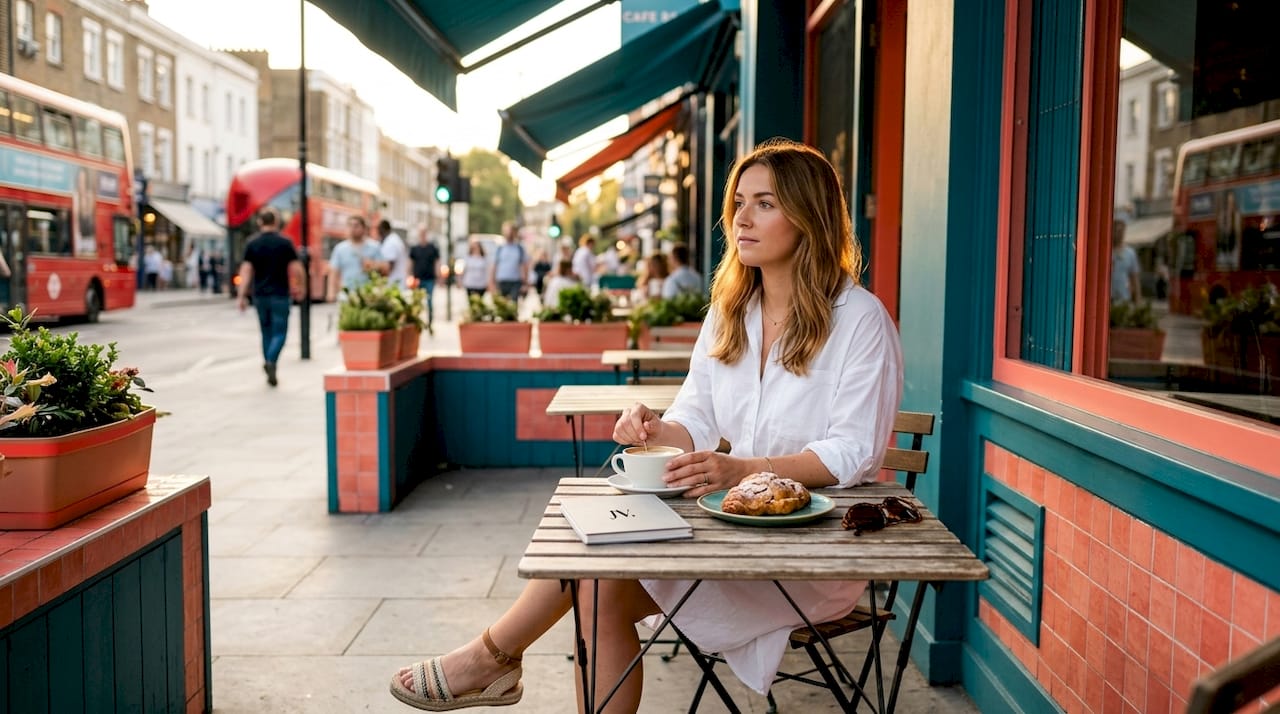
Wrap dresses are forgiving through the waist and hips, which is part of why they have remained popular for decades. The adjustable tie means one dress fits comfortably at different points in the month, a detail that rarely gets mentioned but matters enormously in practice.
Styling-wise, a wrap midi dress moves from a casual daytime look to an evening outfit with a simple shoe change. Jvwear’s guide to styling wrap dresses covers exactly how to make that transition work without buying anything new. Flats or block-heeled mules keep the look relaxed. A strappy heel and a small clutch take it firmly into evening territory.
4. Midi dresses
The midi length sits between the knee and ankle, which gives it a layering and coverage advantage that shorter styles simply do not have. You can wear it with ankle boots in autumn, knee-high boots in winter, sandals in summer, and trainers on a lazy Sunday without the dress ever looking out of place.
Midi dresses also photograph well, which is a practical consideration for anyone who documents their outfits. The length creates a strong visual line without requiring very specific footwear to make it work. For more on making midi dresses work daily, Jvwear has dedicated styling guidance worth bookmarking.
5. Maxi dresses
Maxi dresses earn their place in a versatile wardrobe because they offer coverage without effort. A flowing maxi in a breathable fabric like linen or cotton gauze is arguably the most comfortable thing you can wear in summer, and it always looks considered even when it took two minutes to put together.
The styling challenge with maxis is avoiding looking too casual. The solution is straightforward: add a structured bag, a pair of simple earrings, or a fitted jacket. Those three additions do enough work to make a maxi look intentional rather than thrown together.
Printed maxis with clean lines work particularly well. Look for styles without too much embellishment so they stay easy to accessorise.
6. Mini dresses
Mini dresses get overlooked in the versatility conversation because the assumption is that short equals occasion-specific. That is not accurate. A well-styled mini dress works for casual weekends, warmer-weather social events, and even office environments depending on the fabric and silhouette.
The layering trick that changes everything for mini dresses: wear them over wide-leg or straight-leg trousers in autumn and winter. It is a styling technique borrowed from 1990s fashion that has stayed relevant because it genuinely works. You get the dress’s neckline and detail, plus the coverage and warmth of trousers.
Mini dresses with pockets are worth paying a premium for. Practicality that looks effortless is always worth the investment.
7. Knit dresses
Knit dresses occupy a slightly different space to jersey but serve a similar purpose. They tend to feel more considered than jersey while still requiring zero effort to wear. A ribbed knit midi in a neutral tone is one of the most versatile pieces you can own across the cooler months.
Where knit dresses outperform other casual styles is in the work-to-weekend transition. Worn with loafers and a structured coat, a knit dress reads as polished office dressing. Swap the loafers for trainers and remove the coat, and it becomes a relaxed weekend look instantly.
Lightweight knit blends (cotton-viscose or wool-cotton mixes) work better year-round than heavier knits, which tend to feel too warm indoors.
Comparing casual dress styles at a glance
| Dress type | Versatility | Comfort | Layering potential | Best season |
|---|---|---|---|---|
| Jersey dress | Very high | Very high | Good | Year-round |
| Shirt dress | High | High | Excellent | Spring, summer, autumn |
| Wrap dress | High | High | Moderate | Spring, summer |
| Midi dress | Very high | High | Excellent | Year-round |
| Maxi dress | Moderate | Very high | Moderate | Summer, spring |
| Mini dress | Moderate | High | Good with trousers | Spring, summer |
| Knit dress | High | High | Good | Autumn, winter |
Pro Tip: If you are building a capsule wardrobe on a budget, prioritise one midi and one shirt dress first. Those two styles cover the widest range of occasions and require the least additional investment in footwear or accessories.
Practical styling tips for multiple occasions
Versatile dresses are defined by how easily small styling changes transform the look. The dress stays the same. Everything around it shifts. Here is how to make that work:
- For casual daywear: pair any of the dress types above with trainers or flat sandals, a relaxed tote, and minimal jewellery. The key is keeping the accessories unfussy.
- For brunch or a social event: add a heel or a wedge sandal, a crossbody bag, and one piece of jewellery. That combination consistently reads as dressed up without being overdone.
- For work or smart-casual settings: layer with a tailored blazer or a fitted cardigan. Swap trainers for loafers or block heels. A structured bag completes the shift.
- For cooler months: layering pieces and footwear are the primary tools for extending dress wear into autumn and winter. A denim jacket, a longline cardigan, a leather jacket, or an oversized blazer each create a different feel over the same dress.
- For evenings: swap daytime accessories entirely. A small clutch, a pair of heeled sandals, and a statement earring can make any of the seven styles listed above feel evening-appropriate.
The core principle is this: the ‘versatile’ test is whether a dress can shift its tone through footwear and accessories alone, without needing to be replaced.
My honest take on finding dresses that actually work
I’ve spent a significant amount of time thinking about what makes a casual dress genuinely useful rather than just nice on a hanger. My honest opinion? Most women buy dresses that are too occasion-specific without realising it. A very particular neckline, an unusual hem detail, a bold print that works with nothing else you own. These are the pieces that end up sitting unworn.
What I’ve learned is that the best casual dresses are almost boring when you first look at them. A clean wrap midi. A simple shirt dress in a neutral linen. A ribbed knit in camel or charcoal. They do not look exciting on a rail or a product photo, but they earn their place through endless wearability.
I’ve also found that most women underestimate how much footwear does. I’ve taken the same jersey midi from a Sunday morning café to a Friday evening dinner simply by changing my shoes and swapping a canvas tote for a small leather bag. No new outfit required. That single shift saves real money over a year.
My advice is to stop buying dresses for the life you imagine and start buying for the one you actually live. The dress that works for your Tuesday errands, your Saturday brunch, and your friend’s birthday dinner is worth ten dresses that each work for one occasion only.
— Mykola
Discover Jvwear’s versatile dress collection
If you are ready to build a wardrobe of casual dresses that actually earn their space, Jvwear’s collection is a strong starting point. The Elowen gingham midi sundress is exactly the kind of piece described throughout this article. It has pockets, a classic print that works across seasons, and a midi length that layers well. The Tanith mini dress with floral detail is another standout, offering the kind of easy, pocketed style that moves from casual days to relaxed evenings without any effort. For a dress with more structure, the Tindra belted midi dress brings shape and colour versatility for everyday wear. Jvwear offers free UK shipping and 30-day returns, which makes trying a new style genuinely low risk.
FAQ
What types of casual dresses are the most versatile?
Midi dresses, wrap dresses, and shirt dresses consistently rank as the most versatile casual styles because they layer well, work across seasons, and shift between casual and polished looks through simple accessory changes.
How do I style a casual dress for work?
Layer your dress with a tailored blazer or structured cardigan, swap trainers for loafers or block heels, and carry a structured bag. These three changes reliably shift any casual dress into a smart-casual work outfit.
Which dress length is the most practical for everyday wear?
The midi length offers the broadest everyday practicality. It works with trainers, flats, boots, and heeled sandals, and pairs across seasons through layering with jackets and knitwear.
What fabric should I look for in a versatile casual dress?
Jersey, linen, cotton, and lightweight knit blends are the best fabric choices for versatile casual wear. They offer comfort, breathability, and enough structure to be styled up or down without losing their shape.
Can mini dresses be versatile?
Yes. Mini dresses become significantly more versatile when layered over wide-leg trousers for cooler months, paired with a blazer for smart settings, or dressed down with flat sandals and a simple tote for casual days.