Versatile clothing pieces save you time, money, and wardrobe space by doing more work per item. A single well-chosen midi dress, blazer, or neutral knit can cover a morning meeting, a weekend lunch, and a dinner out without you buying three separate outfits. The cost-per-wear formula makes this concrete: a £50 item worn 100 times costs just £0.50 per wear, while a £10 impulse buy worn five times costs £2.00 per wear. Beyond your wallet, global fashion textile waste runs at an estimated 92 million tonnes annually, and buying fewer, more adaptable pieces is one of the most direct ways to reduce your share of that figure. Jvwear stocks a curated range of exactly these staples.
At a glance:
- You spend less per wear on quality pieces you reach for repeatedly
- A smaller, coordinated wardrobe cuts morning decision fatigue significantly
- Multi-purpose pieces reduce how often you discard and replace clothing
Table of Contents
- Why do versatile clothing pieces actually matter?
- How versatility saves you money, time, and wardrobe space
- Which pieces give you the most wardrobe flexibility?
- How to style one piece across multiple occasions
- How do you choose genuinely versatile clothing?
- What does the evidence say about cost-per-wear and sustainability?
- Common myths about versatile wardrobes
- Key takeaways
- Why versatility is the only wardrobe strategy worth committing to
- Start building your versatile wardrobe with Jvwear
- Useful sources
Why do versatile clothing pieces actually matter?
The practical case for a versatile wardrobe comes down to three things: time, money, and the environment. Most people own more clothes than they wear. A capsule wardrobe approach addresses this directly by prioritising pieces that mix, adapt, and last rather than accumulating items that serve a single occasion.
Decision fatigue is a real drain. When every morning involves scanning a crowded rail for something that works, the cognitive load adds up. Practitioners who have switched to a curated, coordinated wardrobe consistently report faster, less stressful mornings. The fix is not fewer clothes for its own sake; it is clothes that connect to each other.
Stat: Annual global fashion textile waste is estimated at 92 million tonnes. Buying pieces you wear repeatedly is the simplest lever available to an individual shopper.
The financial argument is just as clear. Versatile pieces tend to be worn far more often than occasion-specific ones, which drives the cost-per-wear down over time. A piece that costs more upfront but gets worn twice a week for two years is almost always cheaper per use than a cheaper item that gets worn twice and forgotten. Jvwear’s less-is-more philosophy is built around exactly this logic.
How versatility saves you money, time, and wardrobe space
The cost-per-wear formula
Cost-per-wear is straightforward: divide the item’s price by the number of times you wear it.
Cost per wear = Item price ÷ Number of wears
The Charlotte Observer example illustrates it well. A £50 item worn many times costs substantially less per wear than a £10 item worn very few times.
| Item | Price | Estimated wears | Cost per wear |
|---|---|---|---|
| Quality blazer | £50 | 100 | £0.50 |
| Midi dress (versatile) | £50 | 100 | £0.50 |
| Trend-led party dress | £30 | 8 | £2.00 |
| Impulse-buy top | £10 | 5 | £2.00 |
The table makes the pattern obvious. Higher upfront cost paired with high rewear frequency consistently beats cheap, rarely worn items. This is why affordable wardrobe essentials that you actually reach for are a better investment than a rail of bargains you do not.
Time savings and wardrobe utility
A coordinated wardrobe of 30–40 versatile pieces can generate a far wider range of outfits than a larger, incoherent collection. When every item connects to at least two or three others, getting dressed becomes a quick decision rather than a daily puzzle. Capsule wardrobe practitioners report noticeably faster morning routines, with less time spent reconsidering and re-hanging items that do not work together.
Stat: The Ellen MacArthur Foundation identifies increasing the number of times clothes are worn as a primary lever for reducing textile-system waste — a direct argument for buying versatile pieces over single-use ones.
Which pieces give you the most wardrobe flexibility?
These eight garments consistently deliver the highest rewear rate and cross-occasion range. Think of them as the connective tissue of a working wardrobe.
- Midi dress. Works for the office with a blazer, for weekends with trainers, and for evenings with heeled sandals. The silhouette is forgiving across body types and seasons. Jvwear’s midi dress edit covers why this length earns its place.
- Blazer. Arguably the single most versatile piece in a wardrobe. Worn over a dress, with tailored trousers, or thrown over jeans, it shifts an outfit from casual to polished in seconds.
- Neutral knit. A fine-gauge knit in camel, oatmeal, or navy layers under or over almost anything. It extends the seasonal range of summer dresses and adds texture to tailored pieces.
- Tailored trousers. Wide-leg or straight-cut trousers in a neutral tone pair with everything from a simple tee to a silk blouse. They travel well and hold their shape through repeated wear.
- Trench coat. A classic trench in camel or stone works over a dress, a suit, or weekend denim. It is one of the few outerwear pieces that reads as smart and casual simultaneously.
- Denim jacket. The casual counterpart to the blazer. It softens dressier pieces and adds structure to relaxed ones, making it a reliable layering option across three seasons.
- Cardigan. A longline or oversized cardigan doubles as a light jacket and a layering piece. Jvwear’s cardigan collection includes options that work as both.
- Versatile shoes. Neutral or white trainers, black or tan ballet flats, and a pair of block-heeled sandals cover most occasions. A single pair of flat sandals in a neutral tone will carry a summer wardrobe further than three pairs of trend-led styles.
For dresses specifically, Jvwear’s guide to versatile casual dress types is worth reading before you shop.
How to style one piece across multiple occasions
The real skill in a versatile wardrobe is not owning the right pieces; it is knowing how to restyle them. Here are four outfit recipes built around a single starting point.
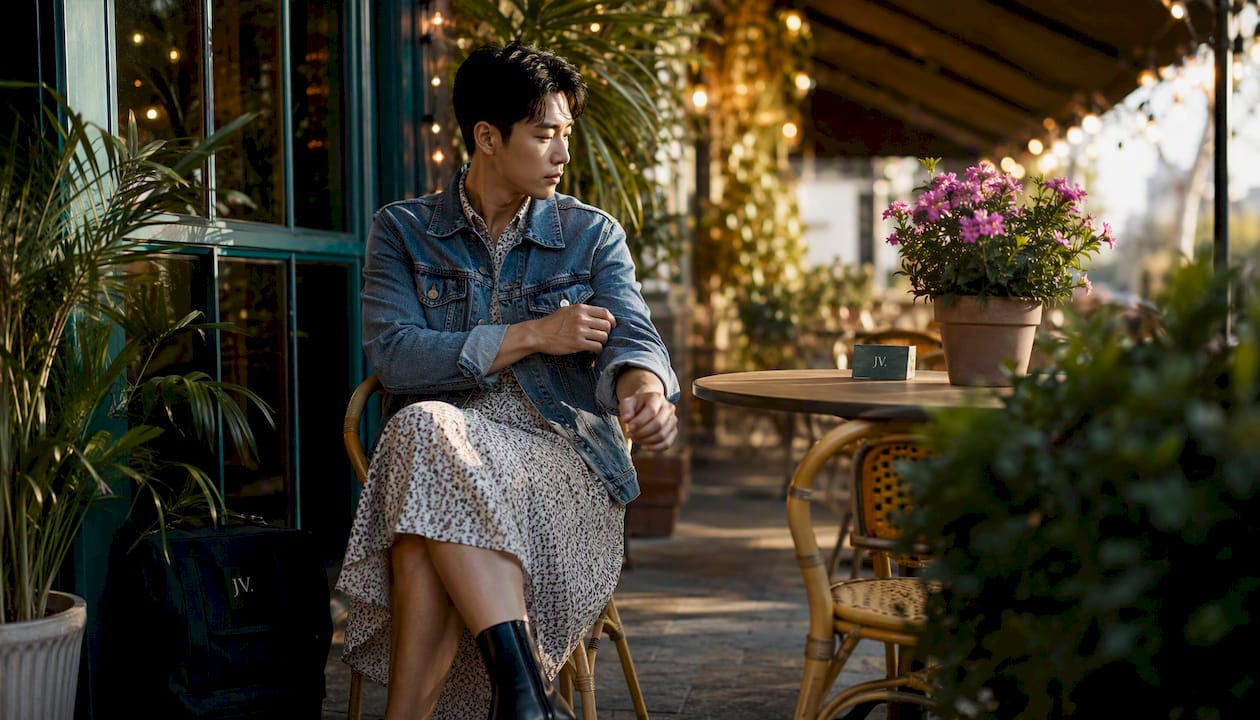
The midi dress, four ways. Start with a plain or subtly patterned midi dress. For the office, add a fitted blazer and block-heeled mules. For a weekend lunch, swap to white trainers and a denim jacket. For an evening out, remove the jacket, add heeled sandals and a small top-handle bag. For travel, pack it with a neutral knit and one pair of flat sandals: three looks, two accessories, one dress.
The blazer as the anchor. Wear a tailored blazer over a simple fitted tee with wide-leg trousers for a desk-ready look. In the evening, swap the tee for a satin camisole and the trousers for a midi skirt. At the weekend, pair it with straight-leg jeans and trainers. The blazer does not change; the pieces around it do all the work.
Tailored trousers, casual to smart. Wide-leg trousers in a neutral tone work with a relaxed linen shirt and flat sandals for a Saturday. Add a tucked-in blouse and kitten heels for a dinner. Layer a fine knit over the shirt for cooler evenings.
Pro Tip: The fastest way to change the perceived formality of an outfit is texture contrast. Pair a satin or silk-finish piece with something matte and casual, such as a satin midi skirt with an oversized cotton tee, or a structured blazer with soft jersey trousers. The contrast reads as intentional and styled rather than mismatched.
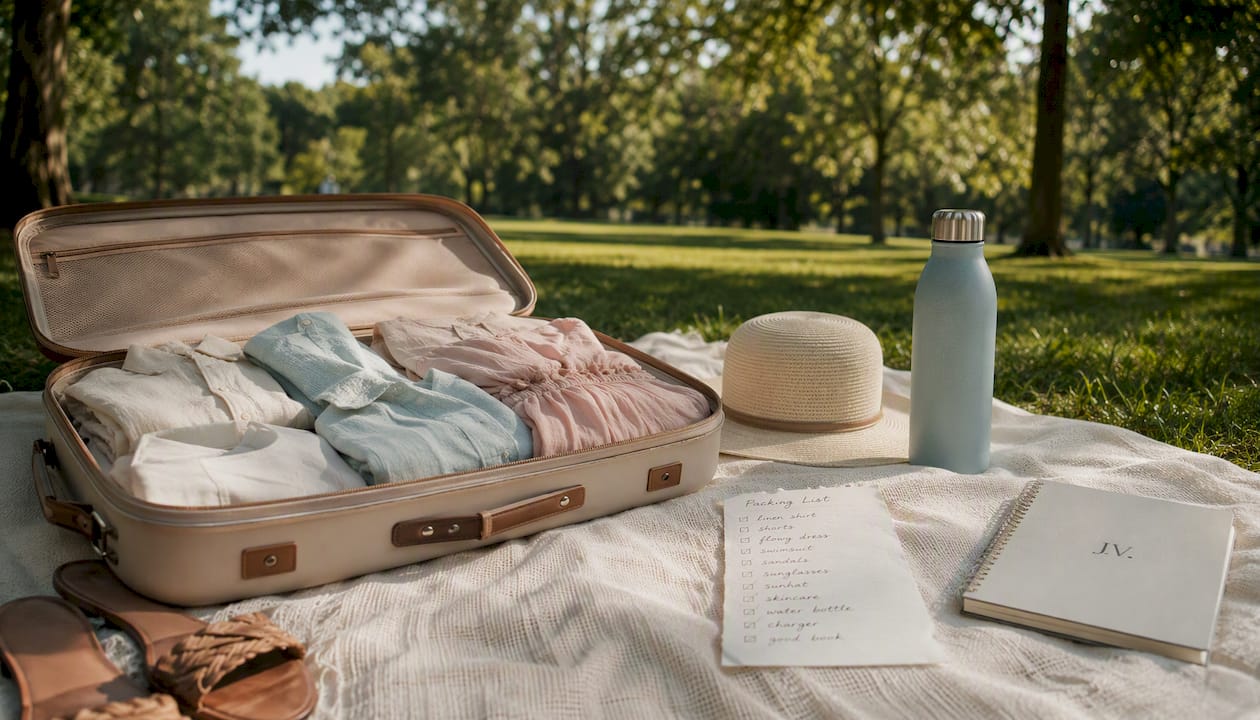
A travel capsule of 10–12 pieces can cover a full week when each item connects to at least two others. That is the principle behind all four recipes above.
How do you choose genuinely versatile clothing?
Not everything marketed as a “wardrobe staple” actually earns the label. Here is what to look for and what to avoid.
Fabrics and construction to favour:
- Natural fibres and tightly woven blends (cotton, linen, wool, viscose with a weave structure) hold their shape and press well.
- Reinforced seams at stress points (underarm, waistband, hem) indicate a garment built for repeated wear.
- Lining in skirts and dresses prevents cling and extends the range of occasions the piece works for.
- A fabric weight appropriate to the season: mid-weight pieces layer up or down more easily than very light or very heavy ones.
Fit guidance:
- A versatile piece should fit well off the rack or require only minor tailoring. If it needs significant alteration to look right, it will not get worn.
- Slightly relaxed silhouettes (not oversized, not body-con) tend to work across more body changes and styling contexts.
- Check that the piece sits correctly when you move: sit down, raise your arms, and walk. A garment that pulls or gaps in motion will not be worn often.
Colour and coordination:
- Build around a core neutral palette: black, navy, camel, stone, or white. These connect to each other and to accent colours without effort.
- Limit accent colours to one or two that you already wear and that appear in multiple items you own.
- Before buying, hold the piece against three items already in your wardrobe. If it works with at least two of them, it earns its place.
Red flags to avoid:
- Fragile embellishments (beading, delicate lace trim) that limit washing options and occasion range.
- Heavy branding or logo prints that date quickly and restrict styling.
- Poor lining or a fabric that pills after two washes.
- Dry-clean-only labels on everyday pieces: they increase cost-per-wear and reduce how often you reach for the item.
Jvwear’s guide to functional fashion covers these construction details in more depth.
What does the evidence say about cost-per-wear and sustainability?
The numbers behind versatile dressing are worth understanding properly, because they change how you shop.
The cost-per-wear formula is the clearest financial tool available to a clothes buyer. As the Charlotte Observer example shows, a £50 item worn 100 times costs £0.50 per wear versus £2.00 per wear for a £10 item worn five times. That four-to-one difference compounds across a whole wardrobe. Capsule wardrobe practitioners consistently report reduced overall clothing spend over time by prioritising quality over quantity and cutting impulse purchases.
The sustainability case is equally direct. The Ellen MacArthur Foundation’s textiles economy framework identifies increasing the number of times a garment is worn as a primary lever for reducing fashion’s environmental footprint. Multifunctional designs that lower consumption frequency directly reduce the volume of clothing that ends up discarded.
Table data illustrates the principle that a curated versatile wardrobe reduces annual spend and cost per wear compared to high-volume, low-cost buying. The underlying logic is consistent with both the cost-per-wear research and capsule wardrobe practitioner reports.
Three practical takeaways from the evidence:
- Increase wears deliberately. Each additional time you wear an item reduces its cost-per-wear and its environmental footprint. Styling versatility is not just aesthetic; it is financial and ecological.
- Maintain garments to extend life. Washing at lower temperatures, air-drying, and storing knits folded rather than hung all extend usable life significantly.
- Decide when to replace thoughtfully. Replace a piece when it cannot be repaired or restyled, not when you are bored of it. Boredom is a styling problem, not a wardrobe problem.
For context on how pricing and value interact, Jvwear’s piece on fashion affordability is a useful read alongside the cost-per-wear data.
Common myths about versatile wardrobes
A few persistent misconceptions put people off before they start.
- “Versatile means boring.” A versatile piece is one that can be styled in multiple ways, not one that lacks character. A floral midi sundress with a defined palette can be just as versatile as a plain navy one; the key is whether the colours connect to what you already own.
- “A capsule wardrobe has a strict item count.” Most guides suggest 30–40 pieces, but there is no correct number. The Project 333 approach uses limits as an experiment, not a rule. Start by hiding rarely worn items rather than discarding them; if you do not miss them after a month, that tells you something useful.
- “You have to spend a lot to build one.” Many people can build a first capsule wardrobe from what they already own, filling gaps with targeted purchases rather than starting from scratch.
- “Versatile pieces cannot make a statement.” High-low styling, pairing a quality blazer or satin skirt with casual denim or a simple tee, is one of the most effective ways to make nicer pieces work harder across occasions. The contrast is the statement.
The versatile wardrobe guide from Fashion Times addresses several of these misconceptions with practical outfit-building advice.
Key takeaways
Versatile clothing pieces reduce cost-per-wear, cut decision fatigue, and lower textile waste by ensuring every item in your wardrobe earns its place through repeated, cross-occasion use.
| Point | Details |
|---|---|
| Cost-per-wear is the key metric | A £50 item worn 100 times costs £0.50 per wear; far cheaper than a £10 item worn five times. |
| Coordination beats quantity | 30–40 well-connected pieces generate more outfits than a larger, incoherent wardrobe. |
| Sustainability follows rewear | Increasing how often you wear each piece is the most direct individual action on textile waste. |
| Fabric and fit determine longevity | Natural fibres, reinforced seams, and a well-fitting silhouette are what make a piece last. |
| Jvwear for versatile staples | Jvwear stocks midi dresses, cardigans, and coordinated sets designed for high rewear and cross-occasion use. |
Why versatility is the only wardrobe strategy worth committing to
Most wardrobe advice focuses on what to buy. The more useful question is what to keep wearing. A piece that sits unworn for six months is not a wardrobe asset regardless of how much it cost or how good it looked in the shop. The real measure of a garment is how many times it solves a dressing problem without requiring you to think too hard.
What I find consistently underestimated is the psychological dimension. A wardrobe where everything connects reduces low-level anxiety about getting dressed in a way that a larger, more varied collection rarely does. You are not choosing between options; you are assembling from a system. That shift in how you relate to your clothes is worth more than any individual purchase.
The sustainability argument is compelling, but it tends to feel abstract until you run the cost-per-wear numbers on your own wardrobe. Do that once, honestly, and the case for buying fewer, better, more adaptable pieces becomes impossible to ignore.
Start building your versatile wardrobe with Jvwear
If the cost-per-wear logic has convinced you, the practical next step is identifying two or three anchor pieces that connect to what you already own. Jvwear’s collections are built around exactly this principle: modern, minimalist designs in coordinating palettes that work across occasions without requiring a complete wardrobe overhaul.
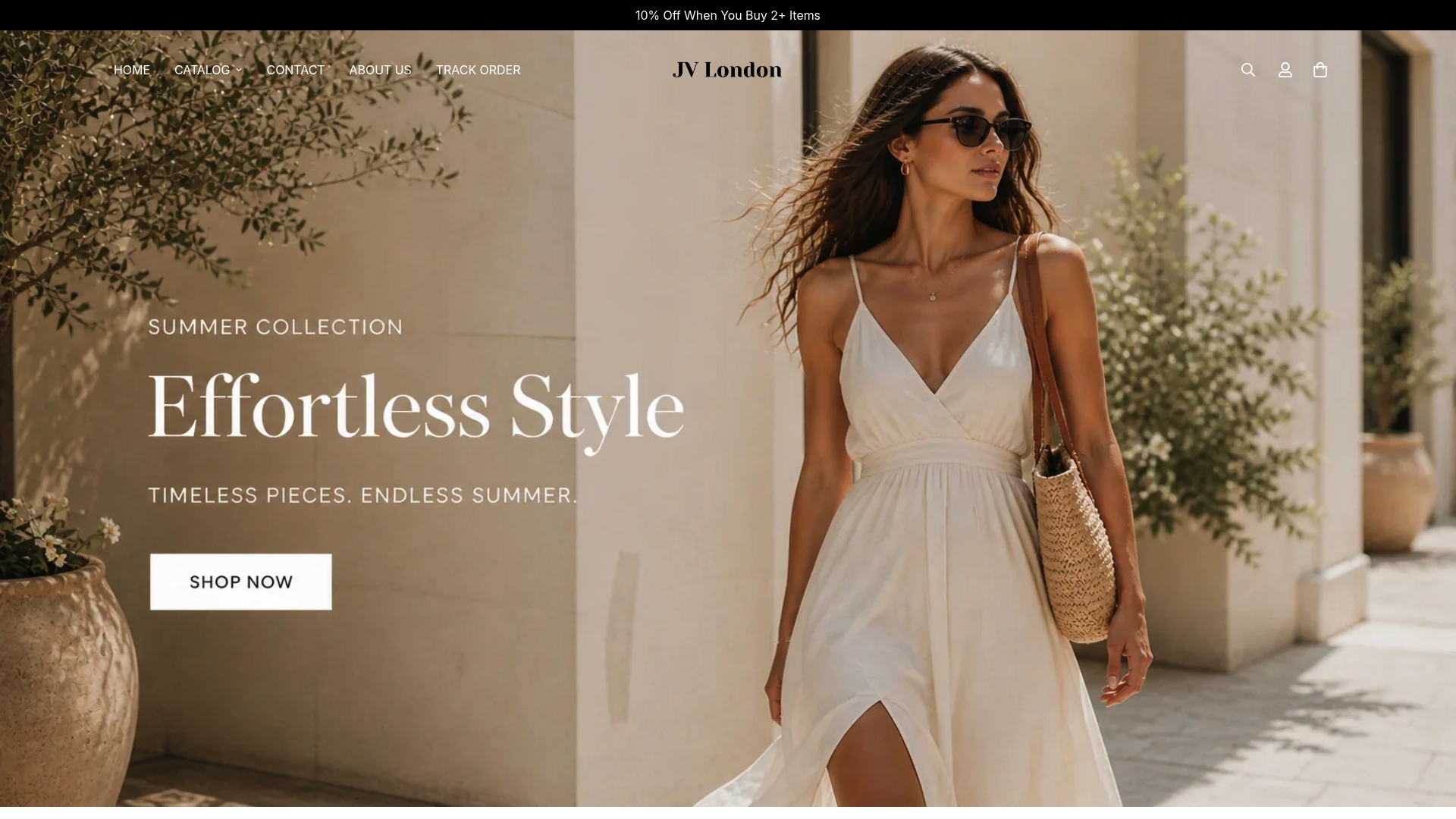
The Solvra two-piece midi dress set is a strong starting point: the button-front cardigan works as a standalone layer, and the midi dress underneath transitions from day to evening with a shoe swap. The Tindra belted midi dress is another high-rewear option, with a silhouette that reads as polished at a desk and relaxed at a weekend lunch. For layering, the cardigan range covers the neutral tones that connect most easily to other pieces.
All orders include free UK shipping, and returns are accepted within 30 days, so there is no risk in trying a piece to see how it works with your existing wardrobe. Browse the full collection at jvwear.com and use the cost-per-wear logic from this article to judge each purchase on its actual value, not its price tag.
Useful sources
These are the primary sources used for the numeric claims and practical guidance in this article.
- A New Textiles Economy, Ellen MacArthur Foundation — The authoritative framework for understanding fashion’s environmental footprint and the case for increasing garment rewear rates.
- E3S Conferences: Multifunctional Fashion and Textile Waste — Source for the 92 million tonnes annual textile waste figure and the link between versatile design and reduced consumption.
- Charlotte Observer: Cost-per-wear explained — The worked cost-per-wear examples (£50/100 wears and £10/5 wears) used throughout this article.
- Mama Fern: Benefits of a capsule wardrobe — Qualitative reporting on time savings, decision fatigue reduction, and travel packing benefits from capsule wardrobe practitioners.
- Be More With Less: Capsule wardrobe for beginners — Practical guidance on the hide-don’t-discard experiment and using item limits as tools rather than rules.
- Fashion Times: How to build a versatile wardrobe — Practical outfit-building advice covering neutral palettes, layering, and cross-occasion styling.
- Eventful Eve: Benefits of a capsule wardrobe — Industry commentary on financial savings from prioritising quality over quantity and reducing impulse purchases.