The best practices for online fashion orders are defined as a set of shopper behaviours and retailer signals that together reduce returns, improve fit accuracy, and make every purchase feel confident rather than risky. Whether you call it smart e-commerce shopping or fashion order management, the principles are the same: get the sizing right, understand the returns process before you buy, move through checkout without surprises, and find deals that actually save you money. For women shopping fashion online in 2026, these four areas determine whether an order is a win or a waste of time.
1. Best practices for online fashion orders start with accurate sizing
Sizing is the single biggest source of returns in online fashion, and most of it is preventable. The highest-return-on-investment change any shopper can make is learning to read actual garment measurements rather than relying on generic size labels. A size 12 from one brand is a size 14 from another. Garment measurements tell you exactly what you are buying.
- Check the size guide for centimetre measurements, not just S/M/L or numbered sizes. Look for chest, waist, hip, and length figures for the specific product, not a generic body chart.
- Read on-model photography carefully. Retailers who list the model’s height and the size worn give you a real-world reference point that no size chart can replicate.
- Look for fit type labels. Words like “slim fit,” “relaxed,” or “oversized” tell you how the garment sits on the body. A relaxed-fit midi dress in a size 10 may fit identically to a slim-fit size 12.
- Read customer reviews for fit notes. Phrases like “runs small,” “true to size,” or “generous in the waist” from verified buyers are more reliable than any official guide.
- Measure yourself using the retailer’s instructions. Measure over your underwear, not over clothes, and use a soft tape measure. Many retailers now include short video guides for this.
- Use AI-driven size advisors when available. These tools use your measurements and return-reason data to recommend the right size. AI size advisors increase conversion on recommended sizes by 18% and have been shown to reduce return rates by 35% for fashion retailers that deploy them.
- Filter by available sizes before browsing. There is no point falling in love with a dress that is not available in your size. Most fashion sites let you filter by size on category pages.
Pro Tip: If a retailer does not show garment measurements on the product page, check the online shopping tips from Jvwear for a practical guide to measuring yourself and interpreting size guides correctly.
2. Navigating returns: how to shop with confidence
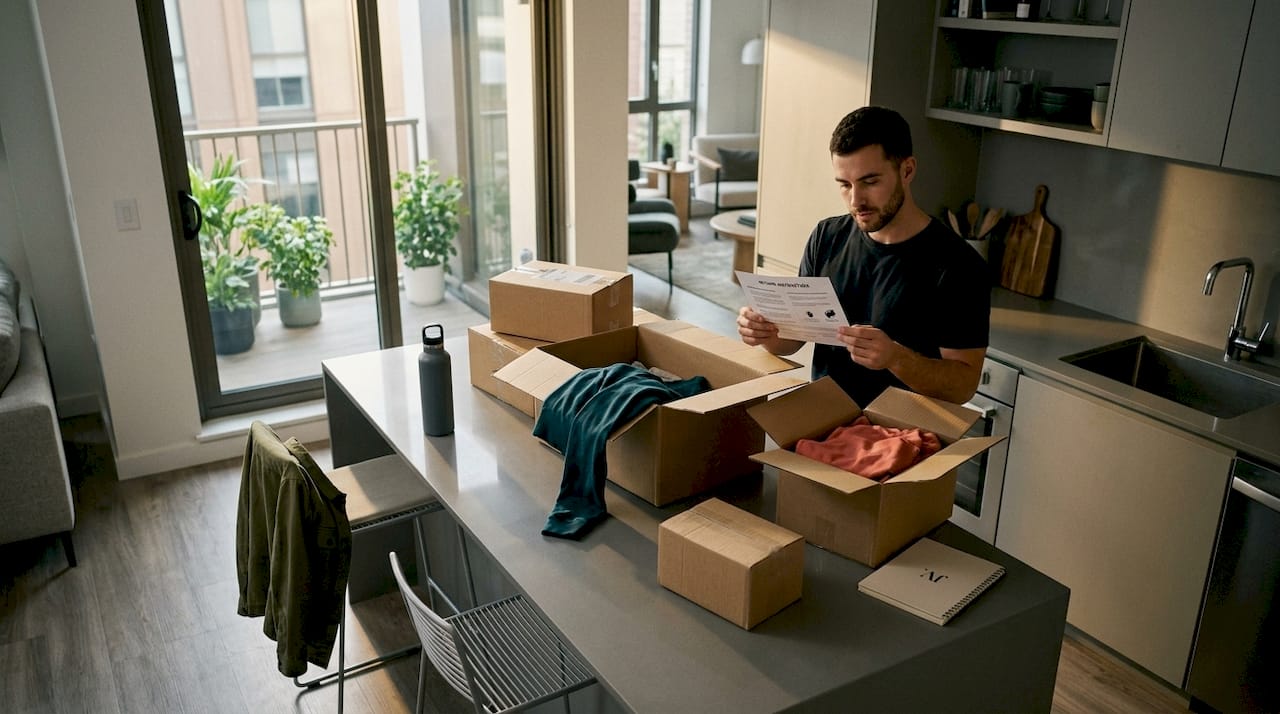
A clear return policy is not a nice-to-have. It is a trust signal. Return policies placed visibly on product pages, near the “add to cart” button, reduce shopper hesitation far more effectively than policies buried in the footer. If you have to hunt for the returns information, treat that as a warning sign.
Here is how to assess and use return policies effectively before and after you buy:
- Find the return policy before you add to cart. It should be on the product page, not just in the footer or a separate FAQ. Retailers who hide this information often have restrictive conditions.
- Check the return window. Thirty days is the standard for most UK fashion retailers. Anything shorter than 14 days gives you very little time to try items properly and decide.
- Confirm whether returns are free. 76% of customers consider free returns a deciding factor when choosing an online fashion retailer. Paid returns eat into any saving you made on the purchase price.
- Look for a prepaid label or online returns portal. 92% of customers say a simple, clear return process with prepaid labels and online portals makes them trust a brand. This is the gold standard.
- Process your return quickly. The sooner you initiate a return, the sooner your refund is processed. Most retailers issue refunds within 5 to 10 working days of receiving the item.
- Keep tags attached until you are certain you are keeping the item. Most return policies require original tags to be intact. Removing them immediately after delivery is the most common reason returns are rejected.
Pro Tip: If your order arrives in multiple parcels, do not panic. Modern fulfilment practices like wave picking mean retailers split orders across multiple dispatch points. Each parcel has its own tracking, and your return window starts from the delivery date of each item.
For a step-by-step walkthrough of the UK returns process, the Jvwear guide on returning online dresses covers every stage from initiating the return to receiving your refund.
3. What to check at checkout before you confirm your order
Shopping cart abandonment in fashion e-commerce sits at around 70%, and hidden shipping costs are the leading cause. The checkout page is where good orders go wrong. Knowing what to look for before you hit “confirm” saves you from surprises on your bank statement.
- Check shipping costs before you reach the final step. Retailers who display delivery costs early in the checkout process are being transparent. If the cost only appears on the final confirmation screen, factor it into your decision before you get there.
- Look for delivery date estimates, not just dispatch windows. “Dispatched within 3 days” is not the same as “delivered by Friday.” A specific delivery date helps you plan, especially for event purchases.
- Use guest checkout if you prefer. Forced account creation before purchase is a friction point. Reputable retailers offer guest checkout as standard.
- Check for Buy Now Pay Later options. Services like Klarna and Clearpay are now standard on most UK fashion sites. They are useful for larger orders but read the terms carefully to avoid unexpected charges.
- Look for security badges and payment logos. Visa, Mastercard, and SSL certification badges confirm the site is processing payments securely. Their absence is a red flag.
- Confirm the returns policy is visible at checkout. Retailers who display free returns information at the checkout stage are reinforcing trust at the exact moment you need it most.
4. How to find and use deals when shopping fashion online
Blanket seasonal sales have largely been replaced by behaviour-driven discounts and dynamic markdowns. This means the best deals are often personalised to you based on your browsing history, wishlist activity, or cart abandonment. Understanding how this works helps you shop smarter.
The most effective deal-finding strategies combine patience with a few deliberate habits. Adding items to your wishlist without purchasing signals interest to the retailer, and many brands follow up with a targeted discount within 24 to 72 hours. You do not always need to create an account to use a wishlist. Many retailers now offer guest wishlist functionality.
Outfit bundles and “complete the look” recommendations are another underused tool. Shoppers shown AI-styled outfit bundles add an average of 2.3 items per cart compared to 1.4 items when browsing individual products. The reason is confidence. A curated outfit removes the guesswork of whether pieces work together, which makes it easier to commit to a multi-item purchase. For inspiration on building cohesive outfits without decision fatigue, the Jvwear guide on minimalist outfit formulas is a practical starting point.
| Deal strategy | When it works best |
|---|---|
| Wishlist without buying | Triggers personalised discounts within 24 to 72 hours on many sites |
| Outfit bundle purchases | Saves on delivery and often qualifies for multi-item discounts |
| Free delivery threshold | Plan orders to just exceed the free shipping minimum |
| Email sign-up discount | Most UK fashion retailers offer 10 to 15% off your first order |
| End-of-season timing | Clearance stock is deepest in late January and late July |
Planning purchases around free delivery thresholds is one of the most straightforward ways to save. If free UK delivery kicks in at £40 and your basket is at £32, adding a lower-cost item like a hair accessory or a pair of socks often costs less than the delivery fee itself.
Key takeaways
Accurate sizing, visible return policies, transparent checkout, and strategic deal-finding are the four pillars that determine whether an online fashion order succeeds or fails.
| Point | Details |
|---|---|
| Read garment measurements | Use actual centimetre measurements on product pages, not generic size labels. |
| Prioritise visible return policies | Return policies near the “add to cart” button signal a trustworthy retailer. |
| Check shipping costs early | Confirm delivery fees and estimated dates before reaching the final checkout screen. |
| Use wishlists strategically | Adding items without buying often triggers personalised discount offers within days. |
| Leverage outfit bundles | Curated “complete the look” sets reduce decision fatigue and often unlock multi-item savings. |
What I have learnt from years of watching women shop fashion online
The advice that genuinely changes how people shop is almost never the obvious stuff. Everyone knows to check the size guide. What most shoppers do not realise is that size guides showing garment measurements rather than body measurements are the single highest-impact change a retailer can make to reduce returns. When you know to look for that distinction, you immediately become a more informed shopper.
The returns conversation has also shifted. A 30-day free returns window used to be a differentiator. Now it is the baseline expectation. What actually separates good retailers from great ones is whether the returns process is genuinely frictionless: a prepaid label in the parcel, an online portal that takes 90 seconds to use, and a refund that arrives before you have forgotten you sent the item back. If a retailer makes you print your own label or post a written request, they are behind the times.
The area where I see the most untapped potential is deal-finding. Most shoppers wait for a sale email and then buy reactively. The smarter approach is to treat your wishlist as a negotiating tool. Retailers with personalised pricing engines are watching that wishlist, and they will often come to you with a better price before you even think to ask.
Technology like AI size advisors and outfit recommendation engines has genuinely improved the online fashion experience. But no algorithm replaces the habit of reading customer reviews for fit notes, checking the model’s measurements, and confirming the return policy before you add anything to your cart. Those three habits alone will cut your return rate significantly.
— Mykola
Shop Jvwear: sizing, returns, and style done right
Jvwear puts the practices described in this article into action across every product page. Detailed size guides with garment measurements, model height and size references, and clear fit descriptions are standard on every listing, from the Gingham midi sundress to the full cardigans collection.
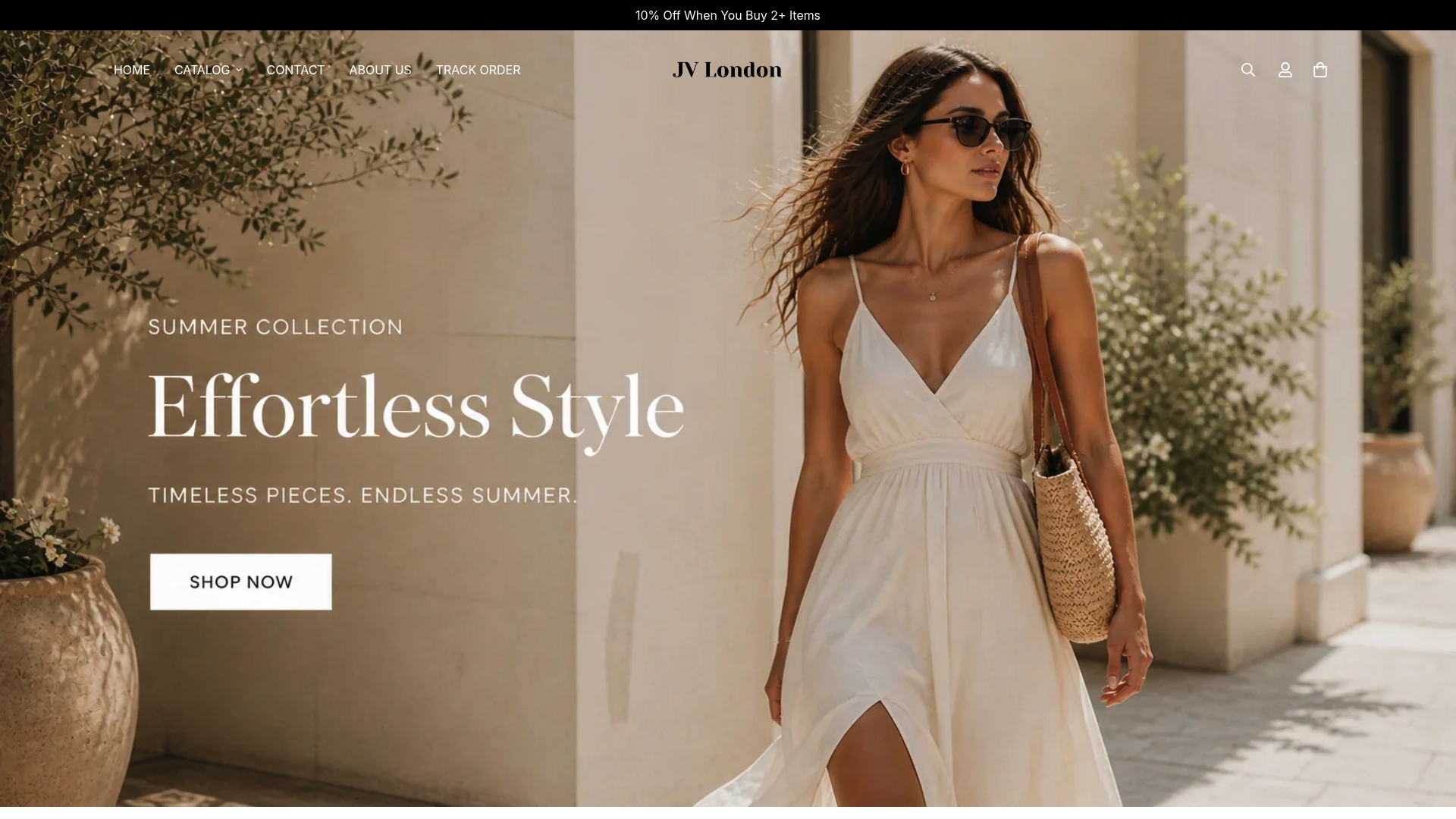
Free UK shipping and a straightforward 30-day returns policy are displayed prominently at checkout, not hidden in the footer. The curated collections make outfit building simple, so you can shop with confidence rather than guesswork. If you want modern, versatile pieces with the kind of product detail that actually helps you buy right the first time, Jvwear is built for exactly that.
FAQ
How do I avoid ordering the wrong size online?
Use the garment’s actual centimetre measurements rather than generic size labels, and read customer reviews for fit notes. AI size advisors, where available, reduce sizing errors significantly.
What should a good online fashion return policy include?
A strong return policy offers a minimum 30-day window, free returns with a prepaid label, and an online portal for initiating returns. 92% of shoppers say this combination builds brand trust.
Why did my order arrive in separate parcels?
Retailers use fulfilment methods like wave picking, which splits orders across multiple dispatch points. Each parcel has its own tracking number, and your return window applies individually to each delivered item.
How do I find the best deals on fashion online?
Add items to your wishlist without purchasing. Many retailers respond with personalised discounts within 24 to 72 hours. Email sign-up discounts and planning orders around free delivery thresholds are also reliable strategies.
Is it safe to use guest checkout on fashion websites?
Guest checkout is safe on any site displaying SSL certification and recognised payment logos such as Visa or Mastercard. It is often faster than creating an account and does not affect your ability to track orders or process returns.