Fashion affordability is defined as acquiring garments that deliver genuine value through quality, longevity, and ethical production at accessible price points. It is not simply about buying the cheapest item on the rail. The 2025 AlixPartners Consumer Sentiment Index confirms that price is no longer the sole deciding factor for shoppers. Durability and intention now sit alongside cost as the pillars of what affordable style means. For fashion enthusiasts aged 18–35, this shift changes everything about how you build a wardrobe.
What does fashion affordability mean beyond the price tag?
Fashion affordability, known in industry circles as value-based purchasing, means getting the most from every pound you spend over the full life of a garment. A £15 top worn twice is not affordable. A £60 dress worn forty times absolutely is. Affordability combines economic accessibility with ethical labour standards and environmental sustainability. That definition matters because it reframes every purchase decision you make.
The affordable fashion meaning has evolved sharply in recent years. Shoppers in 2026 are asking different questions at the point of purchase. They want to know how long a piece will last, who made it, and whether the fabric will hold its shape after a dozen washes. These are not luxury concerns. They are the baseline of smart, budget-conscious shopping.

How cost-per-wear reshapes the meaning of affordable style
Cost-per-wear is the single most useful metric for understanding fashion affordability explained in practical terms. The formula is straightforward: divide the purchase price by the number of times you wear the item. A £90 coat worn 150 times costs £0.60 per wear. A £20 jacket worn five times before it falls apart costs £4.00 per wear.
Research from march 2026 shows that presenting cost-per-wear information at the point of purchase increases the selection of quality garments over cheap alternatives. Shoppers who think in cost-per-wear terms consistently spend less over time. They buy fewer items and wear each one far more.
Fast fashion’s low upfront price is deceptive. Durability is often limited to three to six months of regular wear, which means the true cost per use climbs fast. A £12 blouse that pills after four washes is one of the most expensive items in your wardrobe.
Here is how to calculate cost-per-wear for any item you already own or plan to buy:
- Write down the purchase price.
- Count how many times you have worn it, or realistically expect to wear it in a year.
- Multiply that yearly figure by the number of years you expect to keep it.
- Divide the price by the total wear count.
- Compare that figure across items in the same category before buying.
Pro Tip: Set a personal cost-per-wear target before you shop. A figure of £1.00 or under per wear is a solid benchmark for most wardrobe staples. Use it as a filter, not just a calculation.
Affordable vs cheap: what is the real difference?
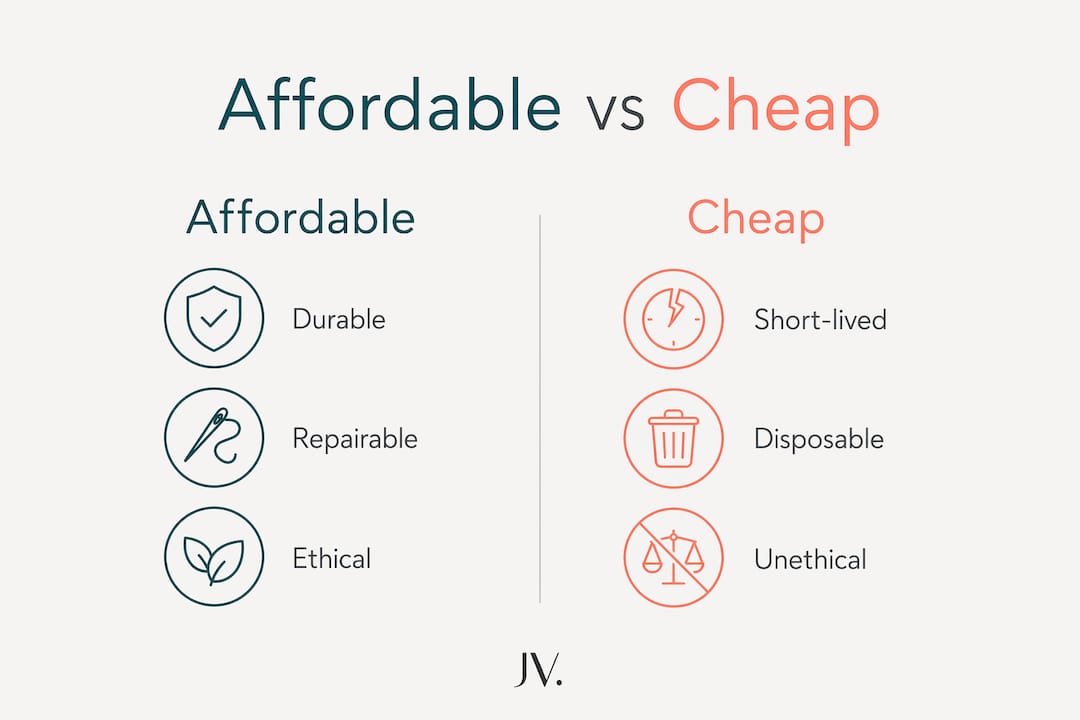
The difference between affordable and cheap lies principally in product lifespan. Affordable fashion is durable, maintainable, and worth repairing. Cheap fashion is designed to be disposable after minimal use. That distinction is not about brand names or price brackets. It is about construction quality and the intention behind the garment.
Cheap fashion also relies heavily on psychological pricing. Inflated “discounts” and perpetual sale banners create a false sense of value. A £40 item marked down from a fictional £100 is not a bargain. Truly affordable fashion is priced fairly relative to its materials and the labour involved in making it.
Several practical markers separate affordable from cheap:
- Fabric weight and composition. Natural fibres and tightly woven synthetics hold their shape. Thin, loosely woven fabrics pill and stretch quickly.
- Seam finishing. Overlocked or French seams signal construction quality. Raw, unfinished seams fray within weeks.
- Repairability. An affordable piece can be taken to a tailor. A cheap piece often cannot, because the fabric or construction will not hold a stitch.
- Fit. Small tailoring investments on an affordable find can produce a result that surpasses an ill-fitting designer piece. Fit is the primary marker of perceived quality.
Pro Tip: Before buying, tug gently at the seams and hold the fabric up to the light. If it stretches out of shape or you can see through it easily, the cost-per-wear will be poor regardless of the price.
The role of affordable luxury in a smart wardrobe
Affordable luxury occupies the middle ground between fast fashion and heritage luxury. It offers high-quality materials and careful construction at price points that do not require a designer budget. Think natural fabrics, considered cuts, and pieces designed to outlast seasonal trends.
Average household apparel spending sits at roughly $1,945 per year. Shifting that budget from many cheap items to fewer quality pieces is the core affordability strategy that fashion editors and stylists consistently recommend. You spend the same amount. You get far more value.
The table below shows how affordable luxury compares across key purchasing criteria.
| Criteria | Fast fashion | Affordable luxury |
|---|---|---|
| Typical garment lifespan | 3–6 months | 3–5 years |
| Fabric quality | Synthetic blends, low weight | Natural fibres, structured weaves |
| Cost-per-wear | High due to short lifespan | Low due to extended use |
| Repairability | Poor | Good |
| Ethical production | Often unclear | More transparent supply chains |
Affordable luxury pieces anchor a wardrobe rather than cluttering it. A well-cut midi dress in a quality fabric earns its place across dozens of occasions. That is the importance of fashion affordability understood at its most practical level.
How to shop for affordable fashion strategically
The most effective approach to affordable shopping is buying for versatility, not for trend. Fashion experts consistently recommend fewer garments with timeless appeal over seasonal impulse buys. A capsule wardrobe built on this principle costs less to maintain and looks more considered.
Practical fashion affordability tips for building a wardrobe that works:
- Prioritise neutral foundations. Black, white, navy, and camel pieces work across multiple outfits and seasons. They reduce the need to buy new items when trends shift.
- Invest in outerwear and footwear. These items carry the highest cost-per-wear potential because you reach for them constantly. Spend more here and less on fast-moving trend pieces.
- Use sales strategically, not impulsively. Buy classic pieces in the sale. Avoid buying trend items just because they are discounted. A cheap price on something you will wear twice is still poor value.
- Learn basic repairs. Replacing a button or re-stitching a hem extends garment life by years. This is one of the most underused affordable wardrobe strategies available to any shopper.
- Embrace minimalism. Intentional wardrobe editing and focusing on fewer, better pieces supports both style and budget. A wardrobe of thirty pieces you love beats one of a hundred you tolerate.
- Check fabric content before buying online. Natural fibres and quality blends are listed in the product description. If the fabric content is not listed, that is a warning sign.
Ethical and sustainable considerations now sit inside the affordability framework, not outside it. A garment made under exploitative conditions externalises its true cost onto workers and the environment. Choosing brands with transparent supply chains is part of how to define fashion affordability in 2026. For practical guidance on putting these principles together, minimalist dressing offers a clear starting point.
Key takeaways
Fashion affordability is defined by cost-per-wear, construction quality, and ethical production, not by the lowest price on the label.
| Point | Details |
|---|---|
| Affordability is not cheapness | True affordability measures value over a garment’s full lifespan, not just its upfront price. |
| Cost-per-wear is the key metric | Divide purchase price by expected wears to compare real value across items before buying. |
| Affordable and cheap are opposites | Affordable fashion is durable and repairable; cheap fashion is designed to be discarded quickly. |
| Affordable luxury is a practical middle ground | Quality materials and careful construction at accessible prices deliver the best long-term value. |
| Strategic shopping beats impulse buying | Capsule wardrobes built on versatile, classic pieces cost less to maintain and look more intentional. |
The shift I keep seeing that most articles miss
The conversation about fashion affordability has changed more in the past two years than in the previous decade. What strikes me most is not the rise of sustainable fashion or the backlash against fast fashion. It is the quiet shift in how young shoppers talk about what they own.
The shoppers I pay attention to are not asking “how much did that cost?” They are asking “how long have you had it?” That is a profound change. It means the definition of affordable style has moved from a transaction to a relationship with clothing. A piece that lasts five years and still looks good is a source of genuine pride. A wardrobe full of cheap items that need replacing every season is a source of quiet frustration.
The uncomfortable truth is that most of us have been trained by retail to confuse low price with good value. Psychological pricing, endless sales, and the dopamine hit of a bargain have made it genuinely difficult to think clearly about what we are buying. The cost-per-wear framework cuts through that noise. It is not glamorous, but it works.
My practical advice: audit your wardrobe once a year. Pull out everything you have not worn in twelve months. Calculate what you paid for those items. That number is your real cost of cheap fashion. Most people find it is far higher than they expected. That audit, more than any trend report or shopping guide, is what changes buying behaviour for good.
— Mykola
Jvwear’s edit for everyday affordable luxury
Jvwear curates pieces that sit squarely in the affordable luxury space: quality fabrics, considered construction, and designs built to outlast a single season. The focus is on garments you will reach for repeatedly, which is exactly what drives cost-per-wear down.
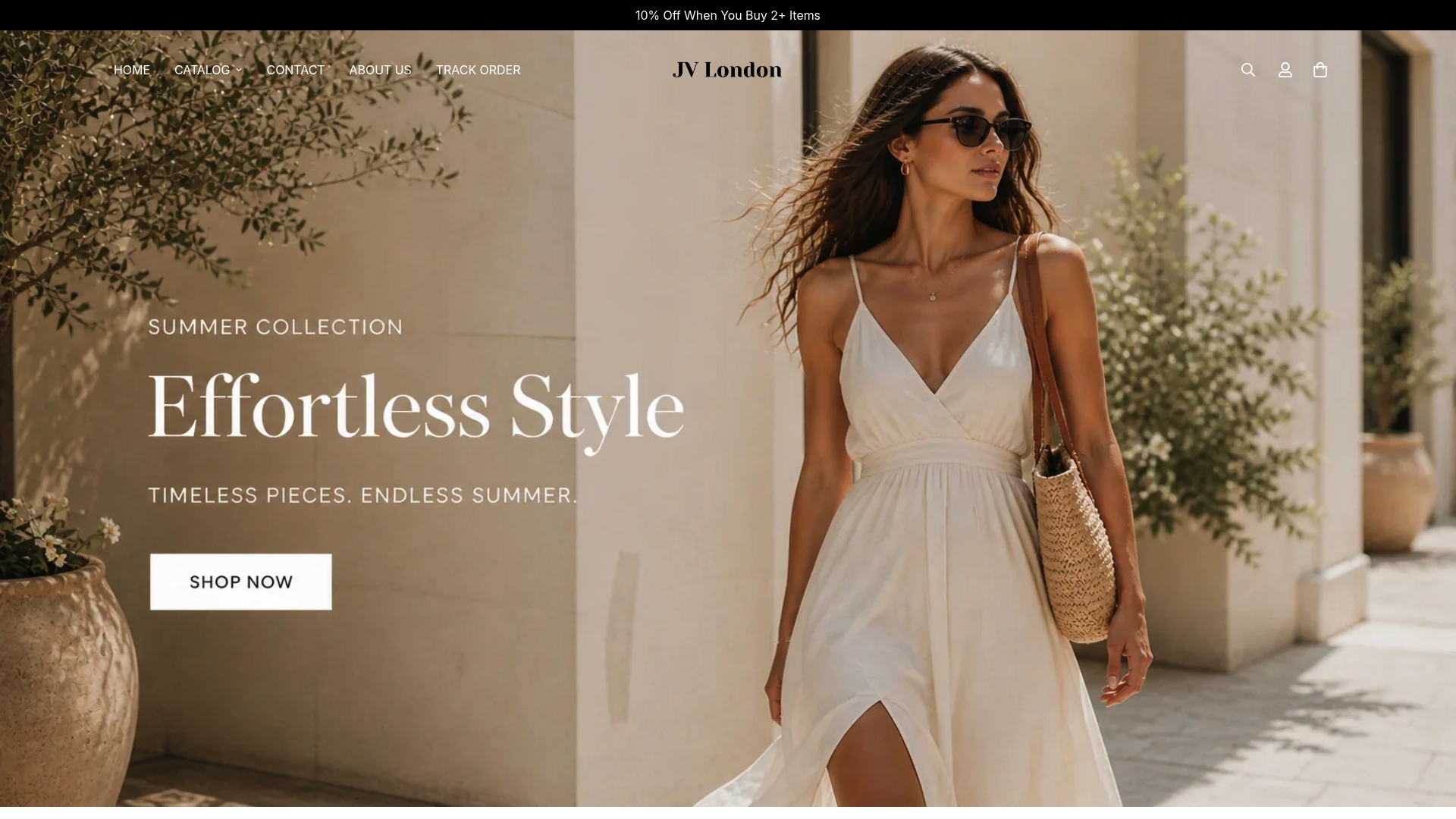
The cardigan collection is a strong starting point for building a versatile wardrobe foundation. Each piece is designed to layer across multiple outfits and seasons. For a complete look with strong cost-per-wear value, the two-piece midi dress set combines a button-front cardigan with a coordinated dress, giving you two wearable pieces in one purchase. Free UK shipping and 30-day returns make it straightforward to shop with confidence.
FAQ
What does fashion affordability mean?
Fashion affordability means acquiring garments that offer genuine value through quality, longevity, and ethical production at accessible price points. It is measured by cost-per-wear rather than upfront price alone.
What is the difference between affordable and cheap fashion?
Affordable fashion is durable, repairable, and fairly priced relative to its materials. Cheap fashion is designed to be disposable and relies on psychological pricing to simulate value.
How do I calculate cost-per-wear?
Divide the purchase price of a garment by the total number of times you expect to wear it. A lower figure indicates better value, regardless of the original price.
Why does affordable luxury matter for budget shoppers?
Affordable luxury offers quality materials and careful construction at achievable price points. Fewer, better pieces reduce long-term spending by lasting years rather than months.
How do I build an affordable wardrobe in 2026?
Focus on versatile, classic pieces in neutral colours, prioritise outerwear and footwear for maximum cost-per-wear, and use a capsule wardrobe approach to avoid impulse buying.