Neutral tones in fashion are defined as the foundational colours, including cream, ivory, camel, stone, taupe, grey, and soft black, that form the backbone of versatile and enduring wardrobes. The role of neutral tones in fashion goes far beyond playing it safe. These shades project quiet confidence and allow every other element of an outfit, from texture to silhouette, to speak clearly. For fashion enthusiasts building a wardrobe that works harder with fewer pieces, understanding how neutrals function is the single most useful skill you can develop. This is not a trend. It is a design principle that the most considered dressers have relied on for decades.
How neutral tones create versatility in your wardrobe
The most practical benefit of a neutral colour palette is the sheer number of outfit combinations it unlocks. When every piece in your wardrobe shares a coherent colour temperature, you can reach for almost anything and it will work together. That is the foundation of a capsule wardrobe, and neutrals make it possible.
Neutrals split into two undertone families, and understanding this distinction is what separates a polished wardrobe from a muddled one. Warm shades like cream and camel sit in one family, while cool shades like grey and ivory sit in another. Mixing them carelessly produces washed-out, mismatched looks that feel unintentional even when each individual piece is beautiful.
The 3-Tone Rule is the most reliable framework for building a neutral wardrobe. You choose one warm neutral, one cool neutral, and one anchor shade, typically a deeper tone like charcoal or chocolate brown. Every piece you buy must work within that three-colour structure. The result is a wardrobe where decision fatigue drops significantly because every combination is already pre-approved by your palette.
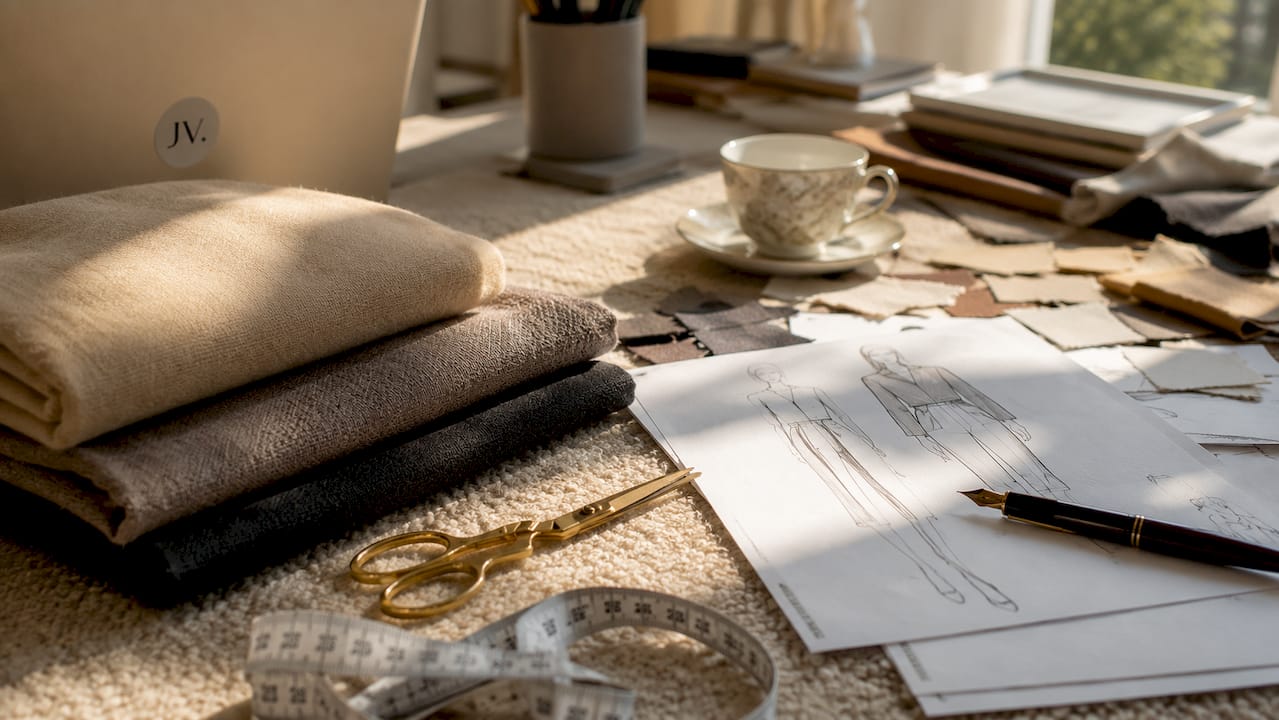
Reducing daily decision fatigue is one of the underrated benefits of neutral dressing. When you are not choosing between competing colours every morning, you spend that mental energy elsewhere. Stylists who work with minimalist wardrobes consistently report that their clients feel calmer and more confident once their palette is locked in.
Key benefits of a neutral colour palette in outfit styling:
- Every piece mixes with every other piece, multiplying outfit options without adding more clothes.
- A coherent undertone family keeps looks polished rather than accidental.
- Neutrals work across seasons, reducing the need for seasonal wardrobe overhauls.
- A limited palette supports mindful purchasing by making gaps obvious and impulse buys harder to justify.
- Neutral foundations let accessories and texture do the expressive work.
Pro Tip: Before buying any new neutral piece, hold it against your existing wardrobe in natural light. If the undertone clashes with your anchor shade, put it back regardless of how much you like it in isolation.
Why neutral tones signal sophistication, not blandness
The most persistent misconception about neutral dressing is that it signals a lack of imagination. The opposite is true. Wearing neutrals deliberately signals maturity, refined taste, and a focus on quality over fleeting trends. It takes more confidence to walk into a room in a perfectly fitted camel coat than in a printed statement piece.
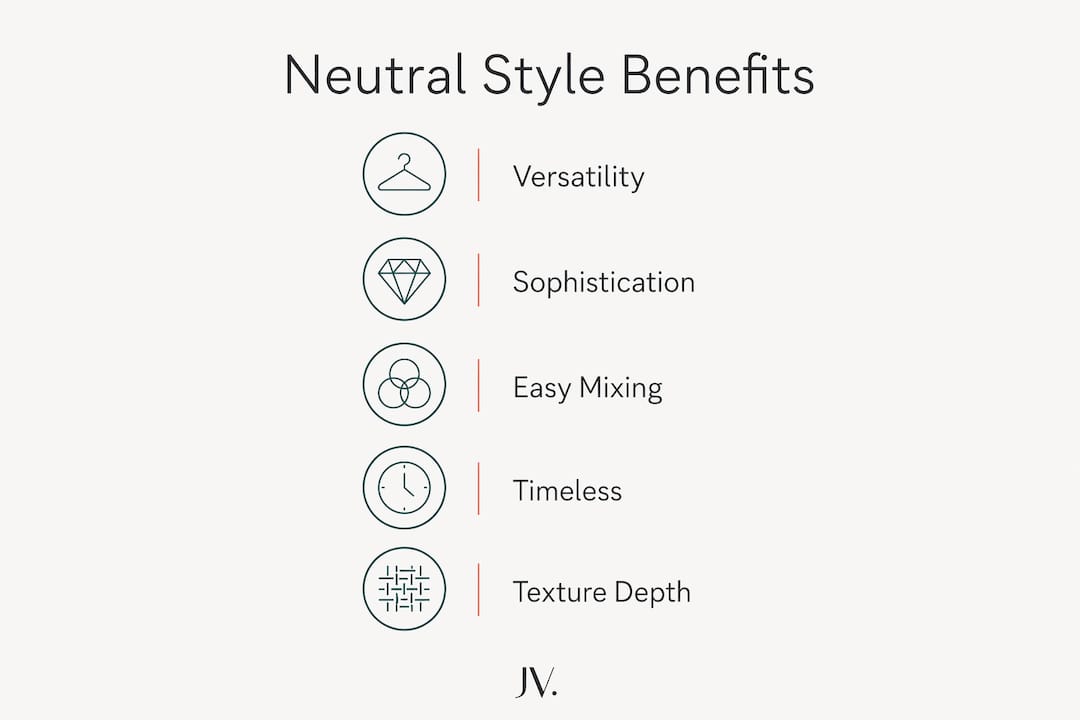
Neutral colours evoke emotional control and timeless style, making them effective across both professional and social settings. They communicate balance and restraint without appearing cold or disengaged. This is why neutral palettes dominate the wardrobes of people who dress with intention rather than impulse.
The techniques that elevate neutral outfits are specific and learnable:
- Tonal dressing. Wearing shades from the same undertone family in a single outfit creates depth without contrast. A cream blouse with stone trousers and an ivory cardigan reads as deliberate and considered. You can read more about this approach in Jvwear’s tonal dressing guide.
- Texture layering. A mix of smooth and textured fabrics, such as wool and linen together, creates visual interest that colour would otherwise provide. Without texture, a neutral outfit risks looking flat.
- Fit as the primary statement. When colour is removed from the equation, fit becomes the loudest signal. A perfectly tailored neutral piece reads as expensive. The same shade in a poor fit reads as an afterthought.
- Photographing well in any setting. Neutral outfits appear polished in both professional and casual environments, which is why they dominate editorial shoots and office wardrobes alike.
“Neutral dressing is not the absence of style. It is the presence of intention. When you remove colour as a crutch, everything else, the cut, the fabric, the way a garment moves, becomes visible. That is where real style lives.”
Common mistakes when styling neutral tones
Neutral outfits are less forgiving than colourful ones because there is nowhere to hide. Fit issues are more apparent in neutrals, and a single styling misstep reads clearly against a quiet palette. Knowing the common pitfalls saves you from expensive mistakes.
The most frequent errors and how to avoid them:
- Mixing incompatible undertones. Pairing a warm camel with a cool grey without an intentional anchor creates a look that feels off without the wearer knowing why. Stick to your chosen undertone family within a single outfit.
- Ignoring texture. A head-to-toe smooth neutral outfit looks flat and uninspired. Combine a textured knit with a fluid trouser, or a structured blazer with a soft blouse, to create contrast through fabric rather than colour.
- Over-accessorising. Neutrals give accessories room to breathe. Small, intentional details get noticed more within neutral outfits than against busy colour palettes. One statement piece, a warm leather bag or a brass-toned earring, is enough.
- Neglecting garment care. Pale fabrics show wear quickly and require careful washing and maintenance to stay crisp. A cream blouse that has yellowed or pilled undermines the entire look.
- Buying without trying. Neutral shades interact differently with different skin tones. What reads as warm and luminous on one person can look draining on another. Always try neutrals in natural light before committing.
Pro Tip: Invest in tailoring for your key neutral pieces. A camel blazer or cream trouser that fits perfectly costs far less per wear than a trend piece that fits adequately. Tailoring is the single highest-return investment in a neutral wardrobe.
How to build a neutral capsule wardrobe that lasts
A neutral capsule wardrobe works year-round because its pieces are not tied to a single season or trend cycle. Neutral basics like camel blazers, cream trousers, and soft black knitwear form the backbone of this approach, with seasonal adaptations achieved through fabric weight rather than colour change. A linen shirt in stone works in july. The same shade in a heavier weave works in october.
The financial logic of this approach is strong. Investing in fewer, quality neutral pieces results in a significantly lower cost per wear compared to trend-driven purchases. Neutral pieces remain stylish for years rather than seasons. That is not just good economics. It is a more considered relationship with consumption.
Accent colours and statement accessories serve a specific function within a neutral wardrobe. They add personality without disrupting the palette’s coherence. Accessories in warm leather, brass, or muted accent colours highlight personal style against neutral backdrops without competing with the garments themselves. Think a terracotta crossbody bag against a cream midi dress, or gold earrings against a grey knit.
For those building from scratch, Jvwear’s guide to wardrobe essentials for 2026 outlines the specific pieces worth prioritising.
| Piece | Shade | Seasonal use | Styling note |
|---|---|---|---|
| Tailored blazer | Camel or stone | Autumn, winter, spring | Wear open over a white tee or belted as a jacket |
| Midi dress | Cream or ivory | Spring, summer | Pairs with flat sandals or ankle boots |
| Wide-leg trousers | Taupe or grey | All seasons | Works with knits in winter, linen tops in summer |
| Knit cardigan | Oatmeal or soft black | Autumn, winter | Layer over dresses or wear as a light jacket |
| Structured bag | Tan or nude | All seasons | Grounds any neutral outfit with a warm anchor |
| Linen shirt | Stone or white | Spring, summer | Tuck into trousers or wear loose over shorts |
Key takeaways
A neutral colour palette is the most reliable foundation for a versatile, long-lasting wardrobe because it eliminates colour conflict, reduces daily decision fatigue, and lets texture, fit, and accessories carry the expressive weight.
| Point | Details |
|---|---|
| Undertone coherence matters | Stick to warm or cool neutrals within one outfit to avoid washed-out, mismatched looks. |
| The 3-Tone Rule works | Choose one warm neutral, one cool neutral, and one anchor shade to build a fully interchangeable wardrobe. |
| Fit is the loudest signal | In neutral outfits, poor fit is immediately visible; tailoring is the highest-return investment. |
| Texture creates visual interest | Mix smooth and textured fabrics to add depth that colour would otherwise provide. |
| Quality over quantity pays off | Fewer, well-chosen neutral pieces deliver lower cost per wear and longer style relevance than trend pieces. |
What I have learned from years of dressing in neutrals
I spent my early twenties chasing colour. Bright prints, clashing palettes, statement pieces that demanded attention the moment I walked in. Then I stripped it all back, almost by accident, and discovered something I have not been able to argue with since: a well-fitted cream blouse and tailored stone trousers make me feel more like myself than any printed dress ever did.
The shift was not about becoming boring. It was about becoming deliberate. Once I committed to a warm neutral palette anchored by camel and oatmeal, getting dressed stopped being a daily negotiation. Everything worked with everything else. I had more mental space and, paradoxically, more style.
The lesson that took longest to learn was about texture. I assumed neutrals would feel flat. They do, if you ignore fabric. The moment I started combining a chunky ribbed knit with a fluid silk-feel trouser, or a structured linen blazer with a soft jersey top, the outfits came alive. Colour was never doing the work I thought it was.
My advice to anyone starting out with neutral dressing: do not try to build the whole wardrobe at once. Start with one anchor piece in your best neutral shade and let the wardrobe grow around it. Avoid the trap of buying every shade of beige you encounter. Coherence comes from restraint, not abundance.
— Mykola
Jvwear’s neutral edit for a wardrobe that works harder
Building a neutral wardrobe is easier when the pieces are already curated for versatility and quality. Jvwear’s collection includes a range of neutral-toned staples designed to slot directly into a minimalist wardrobe without compromise.
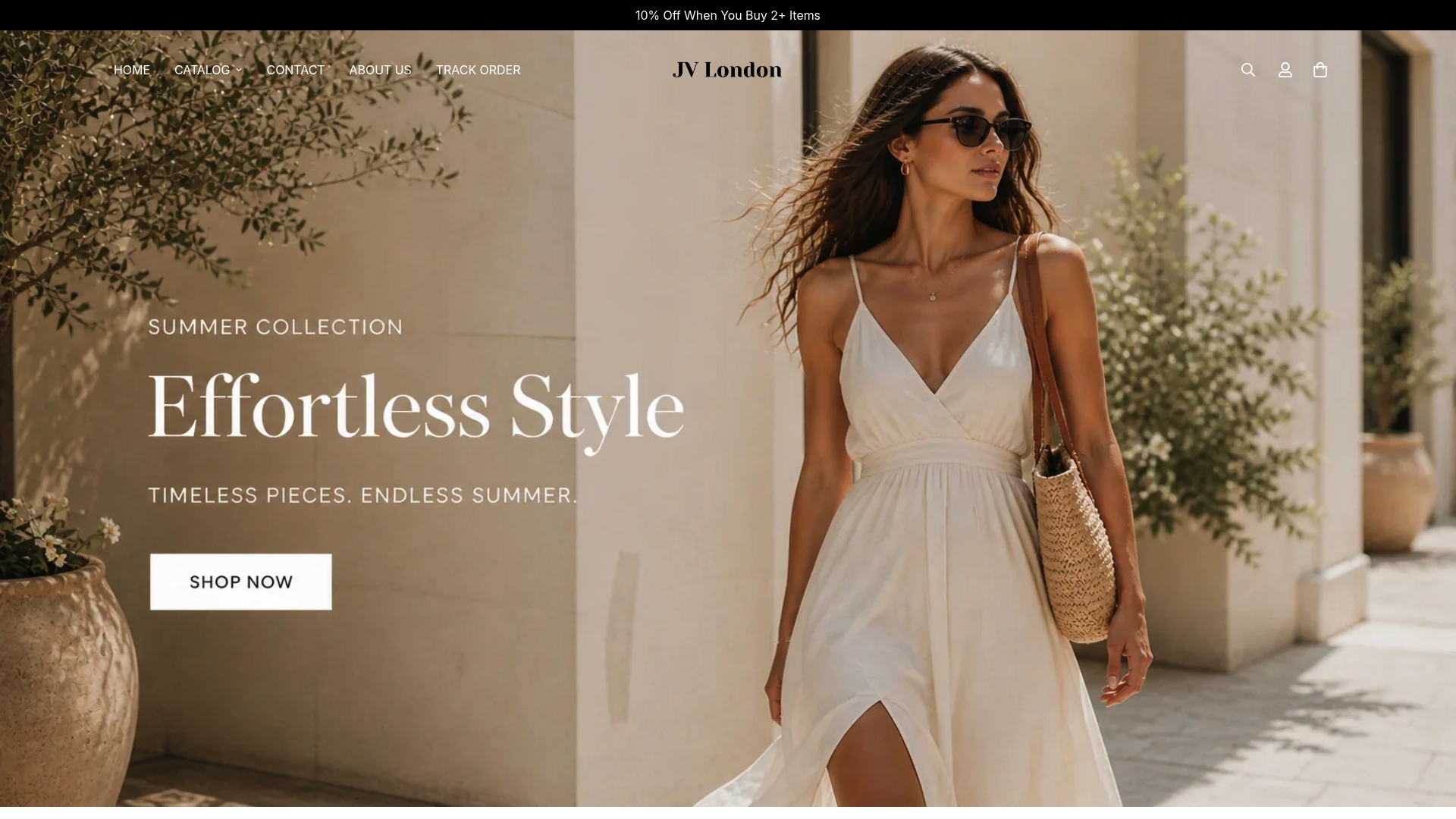
The Jvwear cardigans collection is a strong starting point, with styles in oatmeal, soft black, and stone that layer over dresses, tuck into trousers, and work from september through to april. For a complete outfit foundation, the two-piece midi dress set pairs a button-front cardigan with a midi dress in a single neutral palette, removing the guesswork entirely. Free UK shipping and 30-day returns mean you can try pieces in your own wardrobe before committing.
FAQ
What are neutral tones in fashion?
Neutral tones in fashion are colours including cream, ivory, camel, stone, taupe, grey, and soft black that work across multiple outfits and settings without clashing. They form the foundation of capsule and minimalist wardrobes.
Why are neutral tones important in outfit styling?
Neutral tones eliminate colour conflict between garments, multiply outfit combinations, and allow texture and fit to become the primary style signals. They also photograph well and suit both professional and casual environments.
What is the 3-Tone Rule for neutral wardrobes?
The 3-Tone Rule means choosing one warm neutral, one cool neutral, and one anchor shade, then buying only pieces that fit within that structure. This ensures every item in your wardrobe works with every other item.
How do you add interest to a neutral outfit?
Texture layering is the most effective method. Combining fabrics like wool, linen, and jersey creates visual depth without introducing colour. Intentional accessories in warm leather or brass add personality without disrupting the palette.
Are neutral tones suitable for all skin tones?
Neutral shades interact differently with different skin tones, so testing in natural light before buying is the most reliable approach. Warm neutrals like camel and cream tend to suit warm undertones, while cool neutrals like grey and ivory complement cooler complexions.