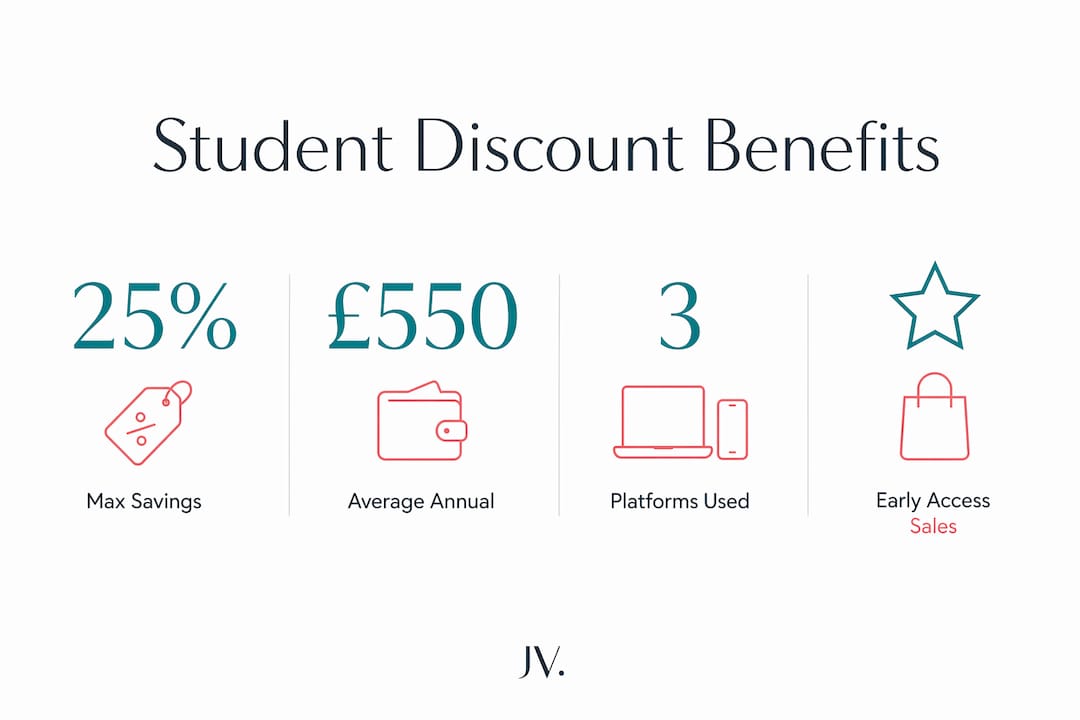
Student discounts in fashion are defined as price reductions, typically ranging from 10% to 25% off full-priced items, offered exclusively to verified students by fashion retailers. These savings are not a minor perk. They represent a genuine budget management tool that shapes how students aged 18–25 build and maintain their wardrobes. Platforms like UNiDAYS, Student Beans, and TOTUM sit at the centre of this system, connecting students to hundreds of brands through a single verified account. The role of student discounts in fashion extends well beyond a simple percentage off at checkout. Used strategically, they can save students hundreds of pounds each year.
How do student discounts work in the fashion industry?
Student discounts in fashion operate through a verification-first model. A student proves their enrolment status through a third-party platform, and that platform then unlocks discount codes or in-store benefits on the retailer’s behalf. Verification is typically valid for 12 months, after which students must re-verify to maintain access.
The three dominant platforms in the UK are UNiDAYS, Student Beans, and TOTUM. Each works slightly differently. UNiDAYS verifies through institution-linked portals and delivers digital codes. Student Beans operates similarly but partners with a different set of brands. TOTUM, formerly the NUS Extra card, offers both a digital app and a PASS-accredited physical card that unlocks in-store benefits many students do not realise exist.

Major fashion retailers offer discounts typically between 10% and 25% off full-priced items. Exclusions are common. Sale items, clearance stock, and gift cards are frequently excluded from student pricing. Students should read the terms before assuming a discount applies.
Key points to understand about how these programmes work:
- Digital codes are generated after verification and are usually single-use or time-limited.
- Physical student ID cards are required for in-store discounts at many retailers.
- Discount access does not automatically renew; students must re-verify each academic year.
- Some brands are exclusive to one platform, meaning a code from UNiDAYS will not work for a brand that only partners with Student Beans.
Pro Tip: Register on all three major platforms at the start of each academic year. It takes under 30 minutes and gives you the widest possible access to fashion deals for students.
What are the tangible benefits of using student discounts for fashion shopping?
The financial case for using student discounts is straightforward. Students who use dedicated memberships can save an average of £550 annually on fashion and everyday purchases. A premium TOTUM membership costs around £14.99 per year. That cost pays for itself within the first few uses.
Beyond the headline saving, student discount programmes often include cashback on purchases, early access to sales, and exclusive codes not available to the general public. These added benefits compound over a full academic year. A student who combines cashback with a 20% student discount on a £60 dress effectively reduces the cost to well under £50 before cashback is applied.
Student discounts also act as a form of budget management tool that helps students prioritise spending without sacrificing style. Discretionary income is limited during university years, and fashion competes with rent, food, and social costs. Discounts close that gap.
Practical benefits students gain from using these programmes:
- Access to exclusive codes not visible to non-verified shoppers.
- Cashback on purchases through affiliated platforms.
- Early sale notifications, giving priority access before stock sells out.
- Reduced cost per outfit, making trend-led pieces more financially viable.
When and how should students use discounts to maximise their fashion savings?
Timing is the most underused variable in student fashion savings. The discount landscape is seasonal, with the strongest offers appearing around back-to-school periods in september, Black Friday in november, and graduation season in june. Retailers often boost their standard student rates during these windows, so a brand that normally offers 10% may temporarily offer 20%.
The smartest approach combines student discounts with public promotions rather than treating them as separate options. Public flash sales or clearance events can sometimes deliver better savings than the standard student rate. Checking both before purchasing is the correct habit.
Here is a practical framework for maximising savings throughout the year:
- Register on all platforms in october. This aligns with the start of the academic year and captures back-to-school boosted rates.
- Compare student rates against public sales before every purchase. A 15% student discount on a full-price item may be worse than a 30% public sale on the same piece.
- Plan major purchases around Black Friday. Some retailers stack student discounts on top of Black Friday pricing, though this varies by brand.
- Check terms before applying any code. Stackability rules vary widely; some stores allow combining discounts with sale prices, others do not.
- Use platform-specific apps for push notifications. Both UNiDAYS and Student Beans send alerts when partner brands launch new codes or limited offers.
| Period | Typical opportunity | Best action |
|---|---|---|
| September to October | Back-to-school boosted rates | Register and verify on all platforms |
| November | Black Friday stacking potential | Compare student rate vs public deal |
| January | Post-Christmas clearance | Check exclusions before applying codes |
| June | Graduation season offers | Target occasionwear and accessories |
Pro Tip: Set a monthly calendar reminder to check your platforms for new brand partnerships. Retailers rotate in and out of these programmes, and new deals appear without announcement.
What are little-known facts and common mistakes about student discounts in fashion?
The most costly mistake students make is assuming their discount is always the best deal available. Savvy students compare student rates against public promotions before every purchase. A retailer running a 40% public sale beats a 15% student discount every time, and many students miss this because they default to their verified code without checking.
A second common error is relying on a single platform. Brand partnerships do not fully overlap across UNiDAYS, Student Beans, and TOTUM. A student who only uses UNiDAYS will miss brands that exclusively partner with Student Beans, and vice versa. Maintaining accounts on all three costs nothing beyond the optional TOTUM premium fee.
Hidden deals are another overlooked area. Many retailers embed unadvertised student discounts within their checkout flows, visible only after verification. These deals never appear on public-facing pages or discount aggregator sites. Students who skip verification assume no discount exists, when in fact a code is waiting.
“The biggest savings in student fashion do not come from knowing a discount exists. They come from knowing when to use it, when to ignore it, and when a public sale beats it entirely. Most students never make that comparison.”
Physical student ID cards remain relevant despite the shift to digital. In-store purchases at many retailers require a PASS-accredited card at the point of sale. A digital screenshot is not always accepted. Students who rely solely on app-based verification may be turned away in-store.
How do student discounts fit into a wider strategy for affordable, stylish wardrobes?
Student discounts work best as one layer of a broader approach to affordable fashion shopping, not the entire strategy. The students who build the most versatile wardrobes combine multiple saving methods systematically.
A practical wardrobe-building approach looks like this:
- Use student discounts for full-price staples. Core pieces like midi dresses, trousers, and cardigans rarely go on deep public sale. A 20% student discount on a full-price staple is genuine value.
- Use clearance and outlet shopping for trend pieces. Trend-led items depreciate quickly. Buying them at clearance prices reduces the cost of keeping up with seasonal shifts.
- Use flash sales for accessories. Bags, earrings, and shoes appear in flash sale events at significant reductions. These are often time-limited and require fast decisions.
- Review your wardrobe quarterly. Identify gaps before sales seasons so you shop with purpose rather than impulse.
- Set a per-item budget ceiling. Knowing your maximum spend per category prevents discount-driven overspending, where a 20% saving on a £150 item still costs more than a full-price £80 alternative.
The students who get the most from discount programmes treat fashion shopping as a seasonal strategy rather than a reactive habit. They plan, compare, and act at the right moment.
Key takeaways
Student discounts in fashion deliver the most value when combined with seasonal timing, multi-platform verification, and regular comparison against public sales.
| Point | Details |
|---|---|
| Verify on all three platforms | UNiDAYS, Student Beans, and TOTUM cover different brands; use all three for widest access. |
| Average annual saving of £550 | Premium memberships pay for themselves quickly and include cashback beyond standard discounts. |
| Timing beats loyalty | Back-to-school, Black Friday, and graduation periods offer boosted rates worth planning around. |
| Hidden deals require verification | Many unadvertised discounts only appear after you verify; always complete the process before checkout. |
| Compare before you commit | Public sales sometimes beat student rates; check both options before applying any code. |
Why I think most students are leaving serious money on the table
I have spoken with enough students about fashion budgets to know the pattern. Most sign up to one platform in freshers’ week, use it twice, and then forget it exists. They assume the discount is always active and always the best option. Neither is true.
The students who genuinely benefit from these programmes treat verification like a financial habit, not a one-off task. They re-verify every year, maintain accounts across multiple platforms, and check terms before every significant purchase. That discipline is not complicated. It just requires treating your student status as a financial asset with an expiry date.
The seasonal angle is where I see the biggest missed opportunity. Students who shop in september and november, aligned with back-to-school and Black Friday windows, consistently get better rates than those who shop reactively throughout the year. The deals are objectively stronger during those periods. Shopping outside them without a specific reason is simply paying more.
My honest advice: set aside one hour at the start of each academic year to register, verify, and bookmark your platforms. Then set a monthly reminder to check for new brand partnerships. That two-hour annual investment, spread across the year, is the closest thing to a guaranteed return on your time that student fashion shopping offers.
— Mykola
Jvwear collections worth adding to your student wardrobe
Building a wardrobe on a student budget means choosing pieces that work across multiple occasions without requiring a full outfit change each time.
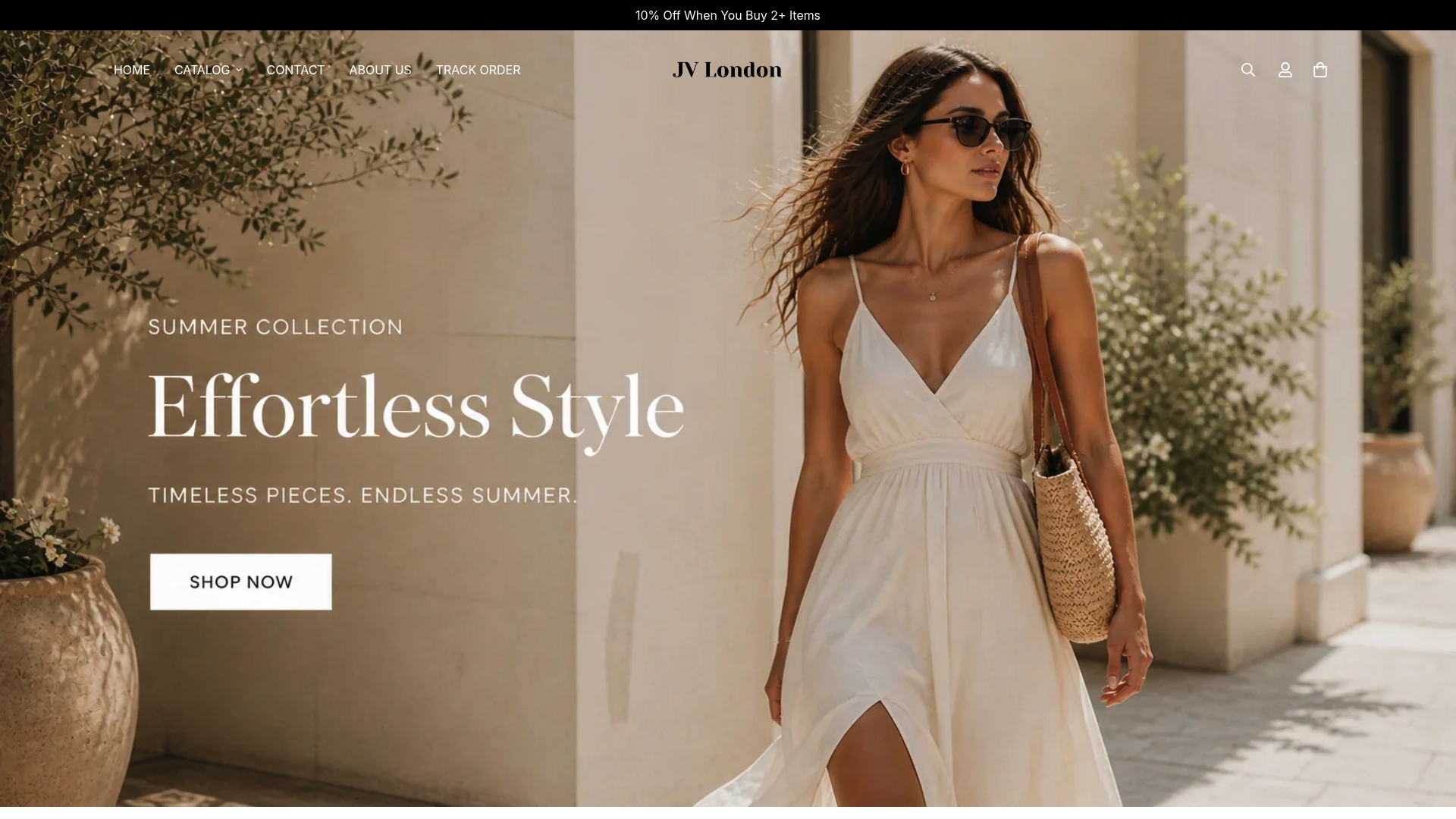
Jvwear’s cardigan collection is a strong starting point for students who want versatile layering pieces that move from lectures to evenings out. The Solvra two-piece midi dress set pairs a button-front cardigan with a midi dress, giving you two wearable pieces from a single purchase. Free UK shipping and 30-day hassle-free returns make it easy to order without risk. Jvwear’s pricing is designed to work alongside the student fashion savings strategies covered in this guide, not against them.
FAQ
What is the typical student discount rate in fashion?
Most major fashion retailers offer student discounts between 10% and 25% off full-priced items. Exclusions typically apply to sale items, clearance stock, and gift cards.
How do I verify my student status for fashion discounts?
Verification happens through platforms like UNiDAYS, Student Beans, or TOTUM using your university email or institution-linked portal. Verification is valid for 12 months and must be renewed each academic year.
Can I stack a student discount with a sale price?
Stackability rules vary by retailer. Some stores allow combining student codes with sale prices; others exclude discounts on already-reduced items. Always check the terms before applying a code.
How much can I save annually using student discount programmes?
Dedicated student discount memberships can save an average of £550 per year across fashion and everyday purchases. Premium memberships cost around £14.99 annually and typically pay for themselves within the first few uses.
Do I need a physical student card for in-store fashion discounts?
Yes, many retailers require a PASS-accredited physical student ID card at the point of sale for in-store purchases. A digital screenshot is not always accepted, so carrying a physical card remains worthwhile.