Affordable luxury fashion is defined as the attainable premium segment that delivers recognisable quality and style at a price point accessible to most women, particularly Gen Z and millennials navigating a market where luxury prices rose 61% between 2019 and 2025. That price surge pushed millions of younger shoppers away from traditional high-end labels and towards a smarter middle ground. The role of affordable luxury fashion is not simply to offer cheaper clothes. It is to give you the confidence of premium dressing without the financial compromise. Brands like Jvwear have built their entire proposition around this shift, offering curated, quality pieces that sit firmly in this attainable premium space.
How does affordable luxury fashion compare with traditional luxury and fast fashion?
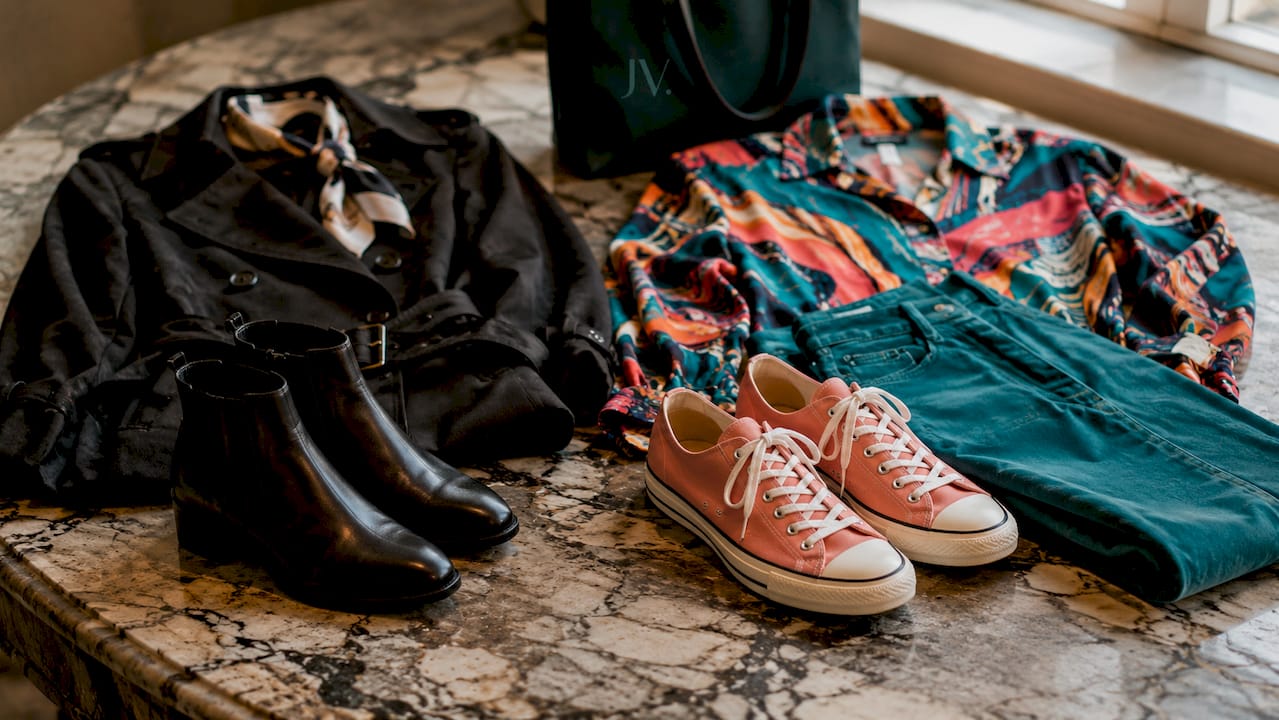
Affordable luxury is best understood as a pricing and perception band, not a watered-down version of high-end luxury. It occupies the space between fast fashion’s disposability and traditional luxury’s exclusivity. The difference between a £70 structured tote and a £20 tote is not just materials. It is the feeling of considered purchase, better construction, and lasting style.
Traditional luxury, think Chanel or Bottega Veneta, is built on scarcity, heritage, and status signalling. Fast fashion, by contrast, prioritises speed and low cost over longevity. Affordable luxury sits between these two worlds, offering pragmatic value and personal taste as its core appeal rather than exclusivity or throwaway convenience.
The table below shows how these three segments differ across the factors that matter most to you as a shopper.
| Characteristic | Affordable Luxury | Traditional Luxury | Fast Fashion |
|---|---|---|---|
| Typical price range | £40–£200 per piece | £500+ per piece | Under £30 per piece |
| Consumer motivation | Value, style, quality | Status, heritage, exclusivity | Trend speed, low cost |
| Longevity | Seasons to years | Years to decades | Weeks to months |
| Typical buyer profile | Women aged 18–35, value-focused | High-net-worth individuals | Trend-driven, budget-first |
| Brand strategy | Accessible premium positioning | Scarcity and prestige | Volume and velocity |
The affordable luxury segment is increasingly defined by pragmatic value and personal taste rather than traditional luxury’s scarcity and exclusivity. That shift is significant. It means you are no longer buying a label. You are buying a considered upgrade within your actual budget.
What are the key trends shaping affordable luxury fashion in 2026?
Several forces are reshaping what affordable luxury means and how you can use it to build a better wardrobe this year.
- Rising prices driving attainable aspiration. With luxury goods 61% more expensive than they were in 2019, younger consumers are not abandoning the desire for quality. They are redirecting it. Mid-priced splurges on a well-cut midi dress or a structured bag now carry the emotional weight that a designer purchase once did.
- Mass-market designer collaborations. Retail collaborations with designers bring high-end design thinking to wider audiences without the price markup. These partnerships have normalised the idea that great design does not require a four-figure price tag.
- Versatility as the new luxury. Over 65% of younger shoppers now prioritise versatility and affordability when buying fashion. A piece that works for brunch, the office, and an evening out is worth more than a single-occasion statement item.
- Social media and the shift from logos to lifestyle. Younger consumers increasingly favour immediate gratification and personal taste over status signalling. The goal is a wardrobe that reflects who you are, not which brand you can afford.
- Sustainability and circular fashion. The growth of resale and circular economy initiatives aligns perfectly with affordable luxury’s value-focused mindset. Buying better and keeping it longer is both financially and environmentally smarter.
Pro Tip: When shopping for affordable luxury pieces, look for natural fabrics like cotton, linen, or viscose blends, clean construction at the seams, and classic silhouettes. These details signal longevity and genuine quality far better than a brand name alone.
How can you build a versatile wardrobe with affordable luxury pieces?
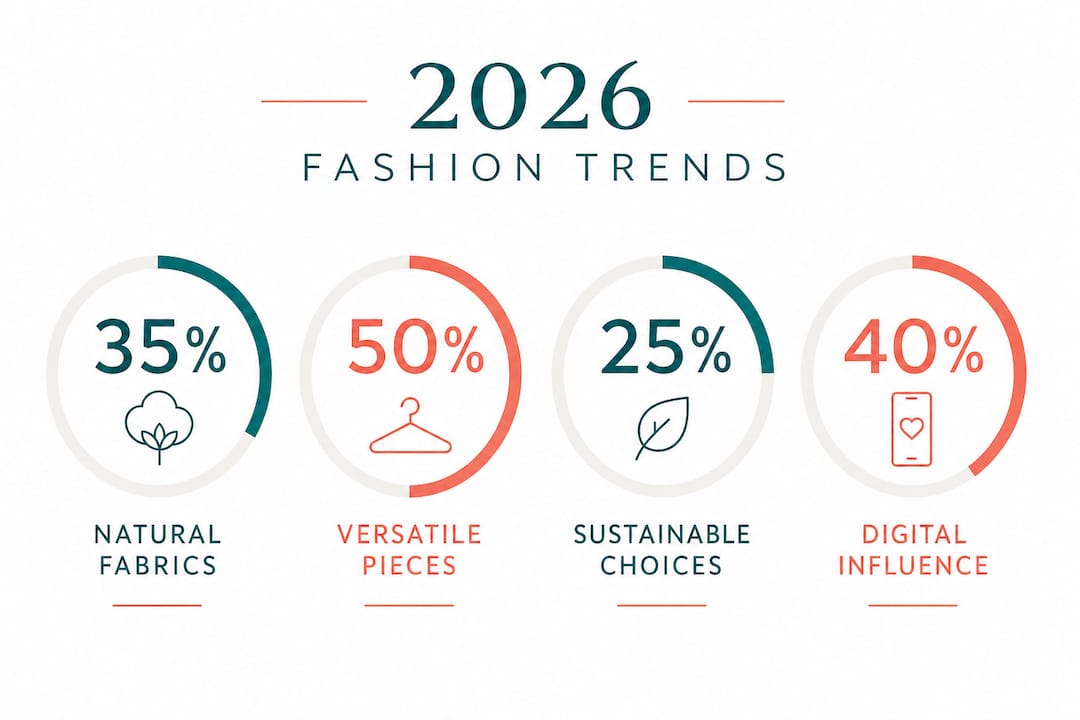
Building a wardrobe that feels premium without overspending comes down to strategy, not luck. The mix-and-match approach is the most effective method. You invest in high-quality staples and use more affordable trend-driven pieces as accents.
Here is a practical framework to follow:
- Start with investment staples. A structured blazer, a quality midi dress, and a well-made bag are the foundation. These pieces carry the premium feel of your entire outfit. Jvwear’s belted midi dress is a strong example of a versatile staple that works across multiple occasions.
- Add trend pieces at lower price points. Seasonal colours, print details, and statement accessories are where you can spend less without sacrificing the overall look. A floral midi sundress or a bold pair of earrings can refresh an existing wardrobe without a full overhaul.
- Prioritise categories with the highest visible impact. Handbags, outerwear, and dresses are the pieces people notice first. Spending slightly more in these categories and less on basics like plain T-shirts gives you the best return on your style investment.
- Avoid chasing discounts on premium pieces. Discounting affordable luxury items can damage the perceived value of what you own. If you want to save, look for value-added bundles or free shipping offers rather than waiting for a piece to be marked down heavily.
- Build around occasion versatility. A dress that works for a date night and a weekend market is worth twice as much as one that only works for one setting. Check out Jvwear’s guide to affordable occasion dresses for ideas on pieces that genuinely earn their wardrobe space.
Pro Tip: Before buying, ask yourself: “Can I wear this at least three different ways?” If the answer is no, it is a trend piece, not an investment. Affordable luxury works best when every piece pulls double or triple duty in your wardrobe.
What impact does the rise of affordable luxury have on the fashion industry?
The growth of affordable luxury is not just a consumer trend. It is reshaping the entire fashion industry from the top down. The high-end luxury customer base shrank 15% between 2022 and 2025, contracting from 400 million to 340 million individuals. That is a significant loss of revenue for traditional luxury houses, and it is driving a fundamental rethink of how fashion is marketed and sold.
Retailers are responding by expanding their accessible premium tiers. Marketing strategies are shifting away from aspirational distance and towards relatability and community. The emotional experience of shopping is changing too. Affordable luxury fulfils a desire for self-care and emotional relief during uncertain times. A well-chosen dress or a beautiful bag is not frivolous. It is a small, considered act of self-investment.
The data below illustrates how consumer spending patterns and market dynamics are shifting in 2026.
| Market Indicator | Data Point | What It Means |
|---|---|---|
| High-end luxury customer base | Shrank 15% from 2022–2025 | Demand is moving to accessible premium tiers |
| Average luxury goods price increase | 61% rise from 2019–2025 | Younger consumers are priced out of traditional luxury |
| Average spend per fashion item | Fell 30% from 2019–2024 | Shoppers are buying smarter, not cheaper |
| Younger shoppers prioritising versatility | Over 65% by mid-2026 | Versatile, quality pieces are the new benchmark |
| Resale and circular fashion | Growing in 2026 | Value-focused consumers are extending garment life |
The average spend per fashion item fell 30% between 2019 and 2024. That does not mean women are buying worse clothes. It means they are buying with more intention, choosing pieces that offer genuine value rather than paying a premium for a logo.
Key takeaways
Affordable luxury fashion succeeds because it delivers genuine quality, versatility, and personal style at a price point that younger consumers can access without compromise.
| Point | Details |
|---|---|
| Affordable luxury is a distinct segment | It sits between fast fashion and traditional luxury, defined by value and personal taste. |
| Luxury price rises are driving the shift | A 61% price increase since 2019 has pushed Gen Z and millennials toward attainable premium options. |
| Mix-and-match is the most effective strategy | Combine quality staples with affordable trend pieces to build a wardrobe that looks premium. |
| Avoid heavy discounting | Seek value-added bundles or free shipping rather than waiting for steep markdowns on premium pieces. |
| Versatility is the key purchase criterion | Over 65% of younger shoppers now prioritise pieces that work across multiple occasions and settings. |
Why i think affordable luxury is the smartest fashion choice in 2026
I have watched the fashion conversation shift dramatically over the past few years. The women I see dressing with the most confidence are not the ones spending the most. They are the ones spending the most thoughtfully.
What strikes me about the current moment is how the affordable luxury segment has matured. It used to feel like a consolation prize for those who could not afford the real thing. Now it is a deliberate choice. Younger women are actively rejecting the idea that a logo equals quality, and they are right to do so. A well-designed midi dress from a brand that understands construction and fabric will outlast and outperform a fast fashion equivalent every single time.
The sustainability angle matters here too. Buying fewer, better pieces and wearing them repeatedly is both financially and environmentally sound. The resale market is booming precisely because affordable luxury items hold their appeal long enough to be worth reselling. That is the mark of genuine quality.
My honest advice: stop thinking about what you can afford to buy and start thinking about what is worth buying. The two questions lead to very different wardrobes.
— Mykola
Discover jvwear’s affordable luxury collection
Jvwear curates pieces that sit squarely in the attainable premium space, designed for women who want to dress well without overspending.
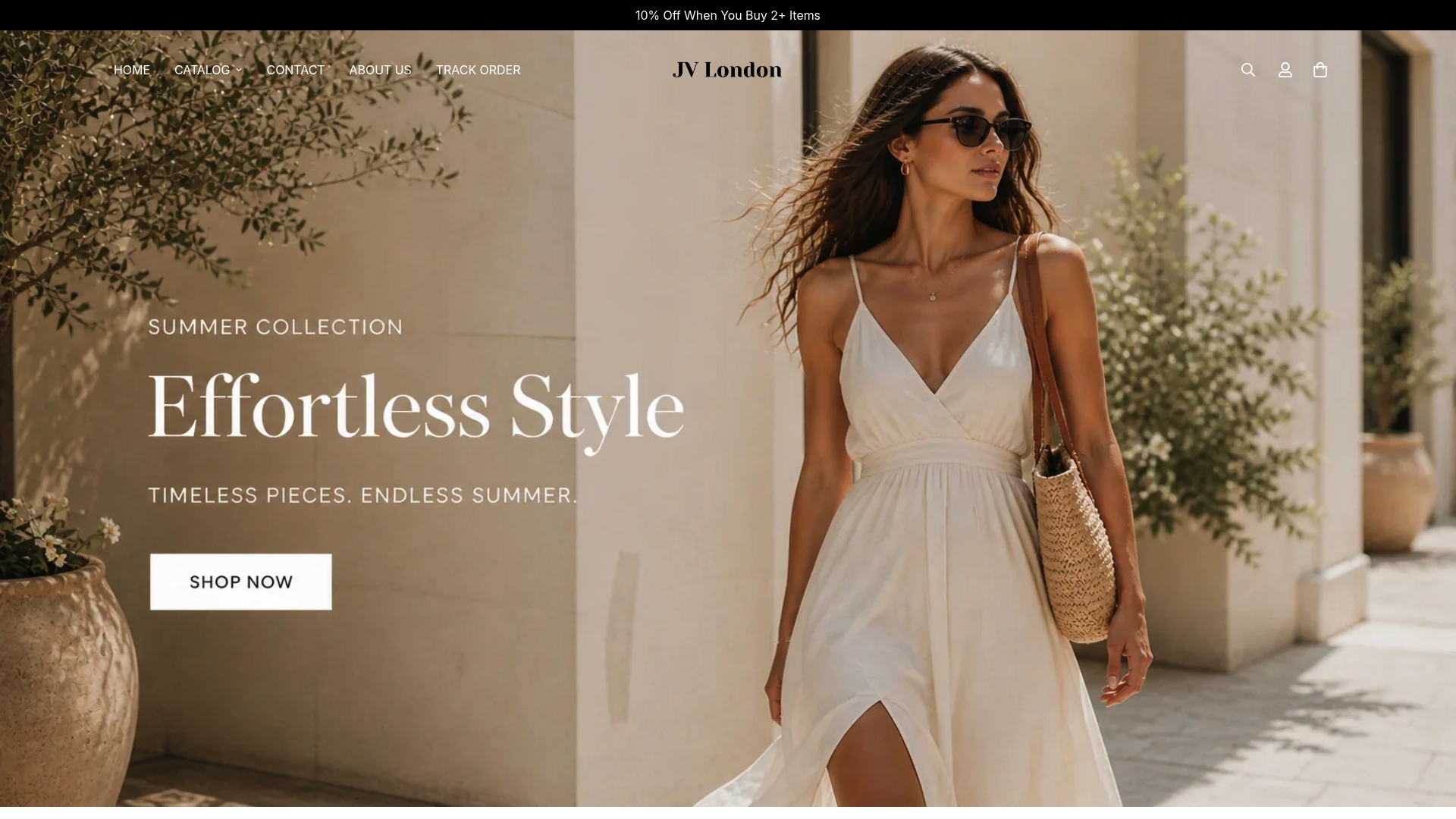
The belted midi dress with wide sleeves is a wardrobe staple that transitions from day to evening with ease. The sculptural clutch bag with chain strap adds a premium finish to any outfit. For knitwear that feels considered and versatile, Jvwear’s cardigans collection offers quality pieces that work across seasons. Every item ships free within the UK, with hassle-free returns within 30 days, so you can shop with confidence and build your wardrobe on your own terms.
FAQ
What is affordable luxury fashion?
Affordable luxury fashion is the attainable premium segment that offers recognisable quality, considered design, and lasting style at a price point accessible to most consumers. It sits between fast fashion and traditional high-end luxury, defined by pragmatic value rather than exclusivity.
How does affordable luxury differ from fast fashion?
Fast fashion prioritises speed and low cost, resulting in poor construction and short garment life. Affordable luxury focuses on quality materials, versatile silhouettes, and pieces designed to last multiple seasons.
Why are younger consumers choosing affordable luxury?
Luxury goods prices rose 61% between 2019 and 2025, pricing many Gen Z and millennial shoppers out of traditional luxury. Affordable luxury offers the same emotional satisfaction of a considered purchase at a reachable price point.
What are the best categories to invest in for affordable luxury?
Handbags, midi dresses, outerwear, and quality knitwear offer the highest visible impact per pound spent. These are the pieces that define the overall feel of an outfit and benefit most from a quality upgrade.
Does buying on sale undermine affordable luxury value?
Heavy discounting can reduce the perceived value of premium pieces. Seek out brands that offer value through free shipping, bundled offers, or quality guarantees rather than steep markdowns on their core collection.