Most women own at least one dress that only gets worn to a single type of occasion. A party dress that never sees daylight. A work dress that stays firmly at the office. The midi dress breaks that pattern entirely, and understanding why midi dresses are versatile changes how you shop, pack, and plan an outfit. This guide covers exactly how one well-chosen midi dress can carry you from a Monday morning commute to a Friday evening out, across every season, without you ever feeling underdressed or overdone.
Table of Contents
- The versatility of the midi dress length
- Seasonal styling: making your midi work year-round
- The importance of fit for midi dress versatility
- Styling tips to shift your midi dress from casual to polished
- The practicality and comfort of midi dresses in daily life
- Reframing midi dress versatility: what most guides miss
- Discover versatile midi dresses at JV London
- Frequently asked questions
Key Takeaways
| Point | Details |
|---|---|
| Versatile length | The midi dress’s mid-calf length is ideal for various occasions, balancing comfort and fashion. |
| Seasonal adaptability | Changing fabrics and layers allows midi dresses to be styled for any season effectively. |
| Fit matters | Proper waist and hem placement ensures the dress flatters and transitions well between looks. |
| Styling transforms look | Swapping footwear and adding structured layers easily shifts a midi dress from casual to polished. |
| Everyday practicality | Midi dresses offer comfort and ease of movement, perfect for real-life daily activities. |
The versatility of the midi dress length
The secret to the midi dress is genuinely about the length. Not in a subtle, abstract way. Literally, physically, the mid-calf hemline sits in a zone that neither mini nor maxi can claim. It reads as put-together without trying too hard, and casual without looking careless. That balance is rare in fashion.
Because the midi sits in a mid-calf sweet spot, it moves from work to weekend by swapping just a few styling elements. That is the entire argument for the midi dress in one sentence. A mini dress styled for the office often looks a touch too dressed-up for a weekend market. A maxi can feel excessive at a coffee catch-up. The midi avoids both problems.
Here is what actually drives that adaptability:
- Footwear changes the mood instantly. White trainers read as a weekend look. Block-heeled boots feel city-smart. Strappy sandals push the same dress into occasion territory.
- Layering controls formality. A denim jacket makes the dress feel relaxed. A longline blazer makes it feel intentional and polished.
- Accessories carry weight. A wicker bag and sunglasses say summer afternoon. A structured leather bag and minimal gold jewellery say professional.
- Necklines and sleeve lengths do part of the work. A flowy wrap front feels naturally feminine and occasion-ready. A simple crew neck keeps things understated and office-appropriate.
Pro Tip: Throwing a structured blazer or tailored coat over even the most relaxed, flowy midi dress immediately sharpens the silhouette. You do not need a different dress. You need a better outer layer. Pair this with boho braids styling tips for a look that feels deliberately put together, not accidentally stylish.
If you are exploring styling your midi dress casually, the good news is that the length does most of the heavy lifting before you have even thought about accessories.
Seasonal styling: making your midi work year-round
One of the most overlooked benefits of midi dresses is that they genuinely work across all four seasons. Not in theory. In practice, with small and affordable wardrobe swaps. Midi dresses adapt fluidly between summer lightness and winter cosiness by changing fabric and layers rather than replacing the dress entirely.
Here is how to make those seasonal transitions work:
- Spring. Layer a fitted ribbed cardigan over a floral midi dress. Swap heavy boots for white trainers or ankle-strap sandals. A light trench coat handles the unpredictable weather without weighing the look down.
- Summer. Let the dress lead. Choose cotton, linen, or chiffon for breathability. Flat sandals, a raffia bag, and minimal jewellery keep things cool and considered. This is when prints and bright colours genuinely shine.
- Autumn. Reach for midi dresses in richer tones such as rust, forest green, or deep burgundy. Pair with a chunky knit layered on top, knee-high boots, and a wool blend coat. Opaque tights add warmth and elongate the leg simultaneously.
- Winter. A long-sleeved midi dress worn with 80-denier tights, over-the-knee boots, and a structured wool coat is genuinely one of the most underrated winter outfits. Add a chunky scarf and you have a cold-weather look that still feels elegant rather than buried in layers.
The key across all four seasons is fabric first, then footwear, then outerwear. Change those three things and your midi dresses collection does the rest. Explore ideas for seasonal layering to build on what works for your existing wardrobe.
The importance of fit for midi dress versatility
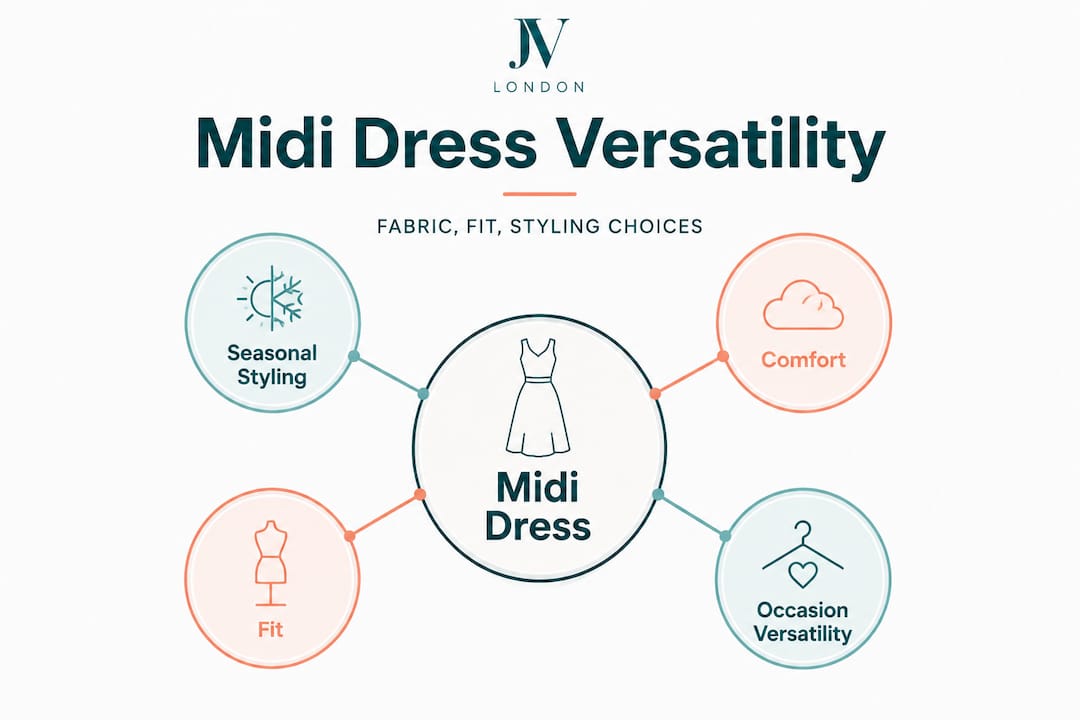
Fit is where most midi dress failures happen. A beautifully patterned dress in the right fabric, bought in the correct size, can still look off if the waist sits too low or the hem falls at an awkward point on the calf. Midi versatility depends on getting the fit right, particularly at the waist and hem, because a flattering length can read as shapeless if these points are misplaced.
Consider what good fit actually achieves:
- Waist definition creates a clear silhouette. Without it, even a lovely fabric looks shapeless from a distance.
- Hem placement matters more than most people expect. A hemline at the widest part of the calf can visually shorten the leg. An inch or two above that point creates a more proportional look for most heights.
- Structured versus flowy cuts behave differently. A wrap-front midi dress creates its own shape. A shift-style midi depends on the fabric weight to avoid looking boxy.
- Body type is less about rules and more about proportion. A slightly nipped waist tends to look flattering across most silhouettes because it breaks up the vertical line and creates an intentional shape.
Pro Tip: Even the floatiest, most relaxed midi dress improves with a slim belt cinched at the natural waist. It costs almost nothing and adds the structure the dress might be missing. Look at versatile minimalist midi styles for fit-forward options that already solve this problem by design.
Styling tips to shift your midi dress from casual to polished
The same midi dress genuinely can cover three very different occasions in a single week. Here is how the styling shifts work in practice.
| Occasion | Footwear | Outerwear | Accessories |
|---|---|---|---|
| Casual | White trainers, flat sandals | Denim jacket, oversized knitwear | Canvas tote, sunglasses |
| Office | Pointed flats, block heels | Tailored blazer, longline coat | Structured leather bag, simple earrings |
| Evening | Strappy heels, kitten mules | Sleek leather jacket, nothing | Statement jewellery, clutch bag |
The same midi dress moves from casual to polished by swapping footwear and structured layers like blazers. That framing is worth holding onto because it removes the pressure of owning a different dress for every context.
A few specific midi dress outfit ideas worth noting:
- For casual days: White trainers and an oversized denim jacket work with almost any midi print or solid colour. Keep the bag relaxed, keep the jewellery minimal, and you are done.
- For the office: A fitted blazer in a neutral tone transforms most midi dresses into something that reads as deliberate and professional. Pointed-toe flats feel less formal than heels but still polished.
- For evenings: Heels elevate the hemline visually and shift the mood instantly. Statement earrings or a bold necklace are enough. Do not over-accessorise.
Pro Tip: The upgrade is almost never about changing the dress. It is about adding structure. A blazer, a belt, a heel. These are the levers. Revisit casual midi styling tips if you want to build the casual version first before working upward.
The practicality and comfort of midi dresses in daily life
Fashion that is beautiful but impractical tends not to get worn. That is the quiet truth behind why so many wardrobe investments end up gathering dust. The midi dress avoids this problem in a way that is easy to underestimate until you have lived in one for a week.
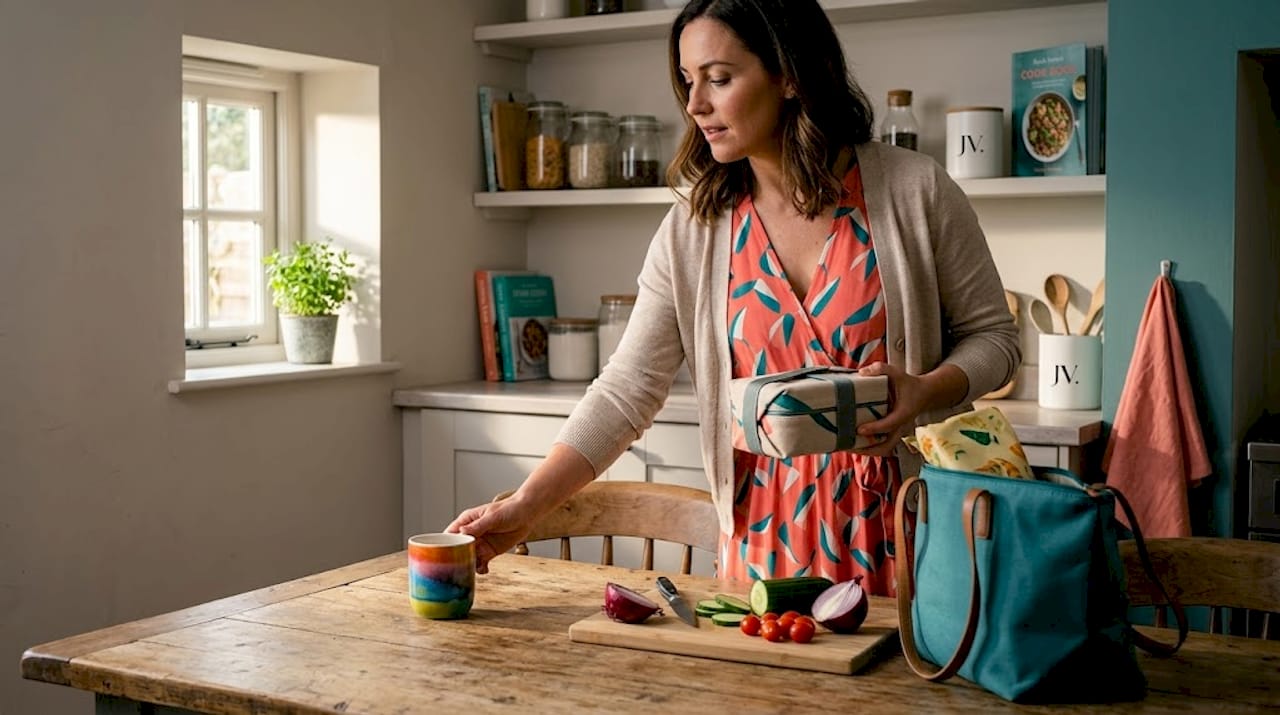
Midi hems allow you to sit down without fuss while still feeling elevated, striking a balance between comfort and style that shorter hemlines simply cannot offer. Commuting, sitting at a desk, walking across a car park in a breeze. All of these everyday realities are handled by the midi length without the constant adjustments that mini dresses require.
“The midi length hits the sweet spot between feeling dressed up and being genuinely comfortable. It is the hemline that works hardest in real life.” Grazia Daily
That comfort extends beyond the physical. There is confidence that comes from not having to think about your dress throughout the day. The midi for everyday comfort argument is not just about movement. It is about mental ease, the kind that comes from wearing something that simply works.
For the modern woman who is commuting, working, socialising, and occasionally doing all three in one day, a dress that requires no wardrobe changes is not a luxury. It is the point.
Reframing midi dress versatility: what most guides miss
Most midi dress articles tell you what to wear. This one wants to tell you why the logic works and where it goes wrong, because understanding that changes how you shop rather than just how you get dressed.
Here is the part that most style guides skip: versatility does not live in the dress. It lives in the styling choices made around it. When a midi feels “too casual” or “not quite right” for an occasion, it’s often not the dress but the styling, fixed by adding structure and sharper footwear rather than changing the dress entirely.
This matters because it reframes what you are looking for when you shop. You are not looking for a dress that does everything on its own. You are looking for a dress that functions as a canvas. Neutral enough to accept bold accessories. Structured enough to hold its shape when layered. Long enough to anchor the look without overpowering it.
Common mistakes that limit midi dress versatility:
- Ignoring waist fit. A midi that billows from shoulder to hem with no definition looks shapeless regardless of the occasion.
- Wearing the wrong shoe height. Flat sandals with a heavy fabric midi can look unbalanced. The footwear needs to make sense with the dress weight.
- Over-accessorising for casual settings. The midi already has presence. Trust it and keep the rest simple.
- Assuming print limits versatility. A bold floral is no less versatile than a plain midi. It just requires more considered neutrals around it.
Think of your minimalist dress versatility options alongside your printed ones. Both work. Both require the same approach: start with the dress, then build the occasion around it through your choices.
The most versatile fashion pieces are rarely the most complicated. They are the ones with good bones, a flattering length, and enough visual room to be styled in multiple directions. The midi dress, done right, is all three.
Discover versatile midi dresses at JV London
If this article has made you want to actually try the midi dress in practice, here is where to start.
At JV London, the midi dress range is built around the idea that one well-chosen dress should earn its place in your wardrobe across every season and setting. From transitional florals to clean, structured everyday options, the collection gives you exactly what this guide has covered.
- The Daphne floral midi sundress is a warm-weather standout, easy to dress up with heeled sandals or keep relaxed with flat mules.
- The Daria wrap-front midi dress offers the built-in waist definition that makes it instantly flattering and versatile across occasions.
- The Briar long-sleeved midi dress solves the winter midi problem beautifully, pairing effortlessly with boots and a wool coat when the temperature drops.
Free UK shipping, straightforward returns, and a curated edit that prioritises wearability over trend-chasing. That is JV London.
Frequently asked questions
What makes midi dresses suitable for both work and casual wear?
The mid-calf length allows easy styling shifts with layers and footwear. Blazers and heels shift a midi dress into office territory, while trainers and a denim jacket bring it back to casual. The mid-calf sweet spot is what makes those transitions possible without the dress looking out of place in either setting.
How can I style a midi dress to stay comfortable in winter?
Layer your midi dress with knitwear, opaque tights or leggings, knee-high or over-the-knee boots, and a structured wool coat. Changing fabric and layers keeps the midi dress warm-weather style intact while making it genuinely practical for cold days.
Why is waist definition important when wearing a midi dress?
Defining the waist creates a clear silhouette and stops the dress from reading as shapeless, which matters especially in longer hemlines. Getting the fit right at the waist and hem is what allows the midi to look intentional and polished rather than just covered up.
Can the same midi dress work for different seasons?
Yes. By swapping fabrics, layering pieces, and footwear across spring, summer, autumn, and winter, one midi dress covers the full year. Midi dresses adapt fluidly with layering and fabric choices, making them one of the most cost-efficient wardrobe investments you can make.