Shopping smart women’s fashion online means using body measurements, cost-per-wear analysis, brand research, and wardrobe planning to buy clothes that fit well, last longer, and earn their place in your wardrobe. This is not about finding the cheapest price. It is about maximising value on every purchase. The strategies in this guide reduce returns, cut impulse spending, and help you build a wardrobe that works harder for you every day. Tools like size charts, the capsule wardrobe method, and apps such as Fytted and Mirrorsize make this process repeatable and reliable.
How to shop smart women’s fashion online: start with measurements
The single most effective step you can take before you buy women’s clothes online is to know your exact body measurements. Fit-related returns account for 53–70% of all fashion returns. That figure means most returns are entirely preventable with the right preparation.
Standard sizing is unreliable across brands. A size 12 at one retailer can fit like a 14 at another. Brand-specific size charts paired with personal measurements dramatically improve fit and reduce the need to return items. The key is to use your body measurements against a garment’s actual dimensions, not just the labelled size.
How to take your measurements correctly
Follow these four steps before placing any order:
- Measure your bust at the fullest point, keeping the tape parallel to the floor.
- Measure your waist at the narrowest point, usually two inches above the navel.
- Measure your hips at the fullest point, roughly eight inches below the waist.
- Measure your inseam from the crotch seam to the ankle bone for trousers and jeans.
Store these measurements in your phone’s notes app or a free tool like Google Keep. You will use them every time you shop.
Once you have your measurements, compare them to the garment measurements listed on the product page. These are not the same as body measurements. A garment chest measurement of 96cm means the fabric itself measures 96cm, so you need to account for ease and fit preference.
Apps like Fytted, Mirrorsize, and Size Chart Pro use your phone camera or manual inputs to generate size recommendations across different brands. They do not replace reading the size chart, but they speed up the process considerably.

Pro Tip: Save your measurements as a note on your phone alongside a photo of your body shape. When you are browsing on the go, you can cross-reference in seconds without needing a tape measure.
Does cost per wear actually help you buy better clothes?
Cost per wear is the price of a garment divided by the number of times you realistically expect to wear it. A £15 top worn twice costs £7.50 per wear. A £60 dress worn 40 times costs £1.50 per wear. The maths consistently favours quality over cheapness.
Shoppers exposed to cost-per-wear data prefer higher-quality options, particularly for everyday clothing. This shift in preference is most pronounced when the information is presented clearly at the point of purchase. The implication is straightforward: calculating this figure yourself gives you the same advantage.
Applying the formula in practice
Use this three-step process when evaluating any purchase:
- Note the price of the item.
- Estimate honestly how many times per month you will wear it and for how many months.
- Divide the price by the total estimated wears.
A £45 midi dress worn twice a week for six months delivers a cost per wear of approximately £0.87. A £12 trend top worn three times before it fades or falls apart costs £4.00 per wear.
Everyday items like jeans, blazers, and neutral knitwear almost always justify a higher upfront spend. Seasonal trend pieces with limited outfit pairings rarely do. Seasonal trends that cannot integrate into a capsule wardrobe tend to carry a high effective cost per wear, making versatile purchases the financially sounder choice.
Pro Tip: Before checkout, ask yourself: “Can I wear this with at least five things I already own?” If the answer is no, the cost per wear will almost certainly disappoint you.
What should a capsule wardrobe actually contain?
A capsule wardrobe is a curated collection of 25–40 pieces that cover your daily life through mix-and-match outfit formulas. Foundation pieces typically include jeans, neutral tees, knitwear, blazers, dresses, skirts, and versatile footwear. Every item should work with at least three others already in your wardrobe.
The practical benefit is not just financial. A smaller, well-chosen wardrobe reduces decision fatigue and makes getting dressed faster. You can explore minimalist outfit formulas to see how a handful of pieces can generate dozens of distinct looks.
Capsule wardrobe: trend buys vs considered purchases
| Category | Trend Buy | Considered Purchase |
|---|---|---|
| Cost per wear | High (worn 2–5 times) | Low (worn 30+ times) |
| Outfit pairings | Limited (1–2 items) | Broad (5+ items) |
| Wardrobe lifespan | One season | Multiple years |
| Return on investment | Poor | Strong |
The table above makes the case clearly. Trendy women’s outfits online are not off limits, but they should represent a small fraction of your total spend. Aim for 80% considered purchases and 20% trend pieces.
Core outfit formulas that increase wear frequency include: a midi dress with a cardigan and flat sandals; straight-leg jeans with a striped blouse and loafers; and a blazer over a neutral tee with tailored trousers. Each formula works across multiple occasions with minor adjustments.
Pro Tip: When building your capsule, choose a consistent colour palette of three to four neutrals plus one accent colour. Every new piece you buy should slot into that palette without effort.
How do you verify brand reliability before buying?
Researching a brand before you buy women’s clothes online takes five minutes and can save you significant frustration. Return policies vary widely across retailers, and understanding the time window, condition requirements, and whether return shipping is free or charged to you directly affects the true cost of a purchase.
Multiple product photos, fabric composition details, and customer reviews are the clearest quality signals available online. A product page with a single flat-lay photo and no fabric information is a risk. A page with six photos including close-up texture shots, a full fabric breakdown, and verified customer reviews is a far safer bet.
Social commerce is a particular trap. TikTok and similar platforms create urgency but rarely provide enough information to make a considered purchase. Always visit the brand’s official website after seeing an item on social media. Check the size chart, read the returns policy, and look at the full product description before ordering.
A reliable online fashion store will offer:
- A clear returns window of at least 14 days (30 days is the standard for confident retailers)
- Free or low-cost return shipping, or a straightforward in-store drop-off option
- Fabric composition listed on every product page
- Verified customer reviews with photos
- A responsive customer service contact method
You can read more about navigating UK returns processes to understand your rights and what to expect from reputable retailers.
What is the smart shopping workflow from browse to checkout?
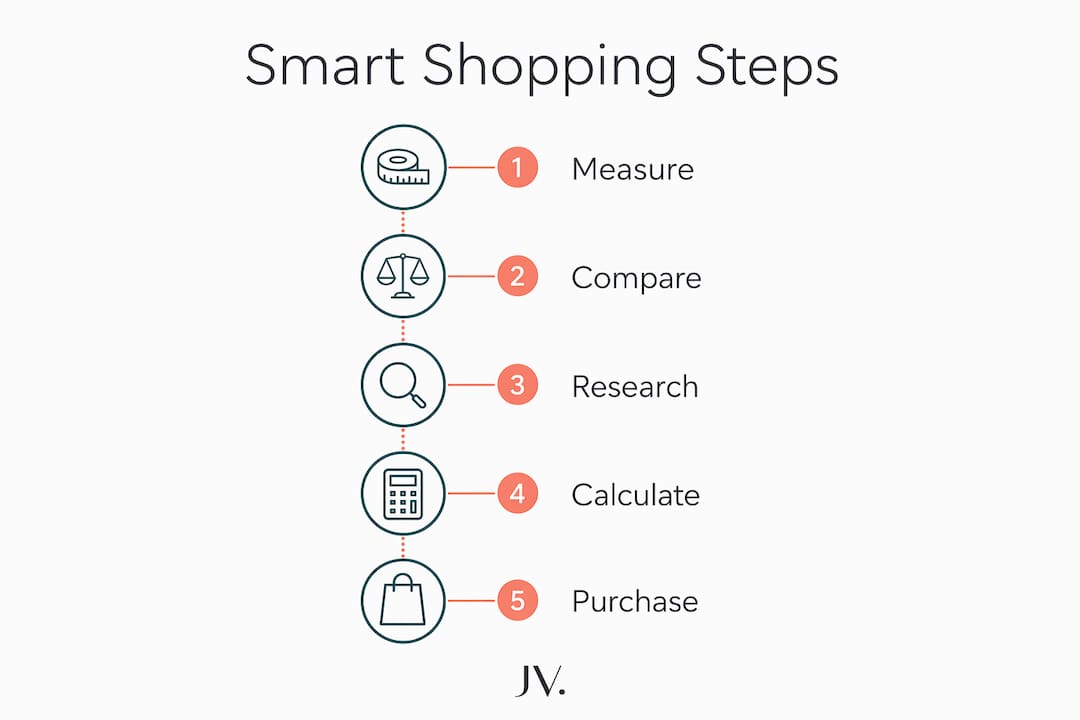
A repeatable workflow is what separates considered purchases from impulse buys. Follow these steps every time you shop for affordable women’s fashion online:
- Measure first. Confirm your current measurements before browsing. Bodies change, and measurements from six months ago may no longer be accurate.
- Check the size chart. Every brand sizes differently. Cross-reference your measurements against the specific garment’s size guide, not just the general brand chart.
- Review product details. Look for fabric composition, multiple photos, and customer reviews. If any of these are missing, treat the listing with caution.
- Calculate cost per wear. Run the quick mental calculation before adding to your basket. If the number feels high, reconsider.
- Read the returns policy. Confirm the time window and whether return shipping is free. Factor any return cost into the item’s true price.
- Place the order with confidence. If the item passes all five checks, buy it. If it fails any check, save it to a wish list and revisit later.
Reducing size bracketing (ordering multiple sizes to try at home) saves time and avoids unnecessary return logistics. Measurements and product photos together give you enough information to order the correct size first time in most cases.
Pro Tip: Keep a wish list in your browser or a shopping app. Revisit it after 48 hours. Items that still feel worth buying after the initial excitement has passed are the ones worth purchasing.
For more practical guidance on affordable online fashion shopping, the Jvwear blog covers budget-friendly strategies updated for 2026.
Key takeaways
Smart online fashion shopping requires measurements, cost-per-wear analysis, brand research, and a capsule wardrobe strategy working together to reduce returns and maximise wardrobe value.
| Point | Details |
|---|---|
| Measure before every order | Store bust, waist, hip, and inseam measurements digitally and cross-reference with each brand’s size chart. |
| Apply cost per wear | Divide the item price by realistic wear count to identify genuine value versus expensive impulse buys. |
| Build a capsule wardrobe | Aim for 25–40 versatile pieces that each pair with at least three other items you already own. |
| Verify brand reliability | Check return windows, fabric details, and customer reviews before purchasing from any online retailer. |
| Use a repeatable workflow | Follow a five-step process from measuring to checkout to remove guesswork and reduce returns. |
Why i stopped trusting my instincts and started trusting the process
I spent years buying clothes online based on how they looked on the model, convincing myself the fit would work out. It rarely did. The turning point was calculating my actual return rate for a single year. It was embarrassing. More than half the items I ordered went back, and I was paying return shipping on most of them.
The shift came when I stopped treating sizing as a rough guide and started treating my measurements as non-negotiable data. Once I added cost-per-wear calculations to my routine, my spending did not drop dramatically. My satisfaction with what I kept went through the roof. I stopped buying things that looked good in isolation and started buying things that worked within what I already owned.
The hardest part is patience. Seeing something on social media and wanting it immediately is a feeling most of us know well. But the items I have regretted most were always the ones I bought without checking the size chart or thinking about how they would fit into my existing wardrobe. The items I wear most often are the ones I thought about for at least 48 hours first.
Build your system, repeat it consistently, and your wardrobe will start to feel like it was curated rather than accumulated.
— Mykola
Discover versatile pieces at Jvwear that reward smart shopping
Jvwear’s collection is built around the kind of pieces that perform well under cost-per-wear scrutiny. The cardigans collection is a strong starting point for capsule wardrobe building. A well-chosen cardigan layers over dresses, pairs with jeans, and extends the wearability of almost everything else you own.
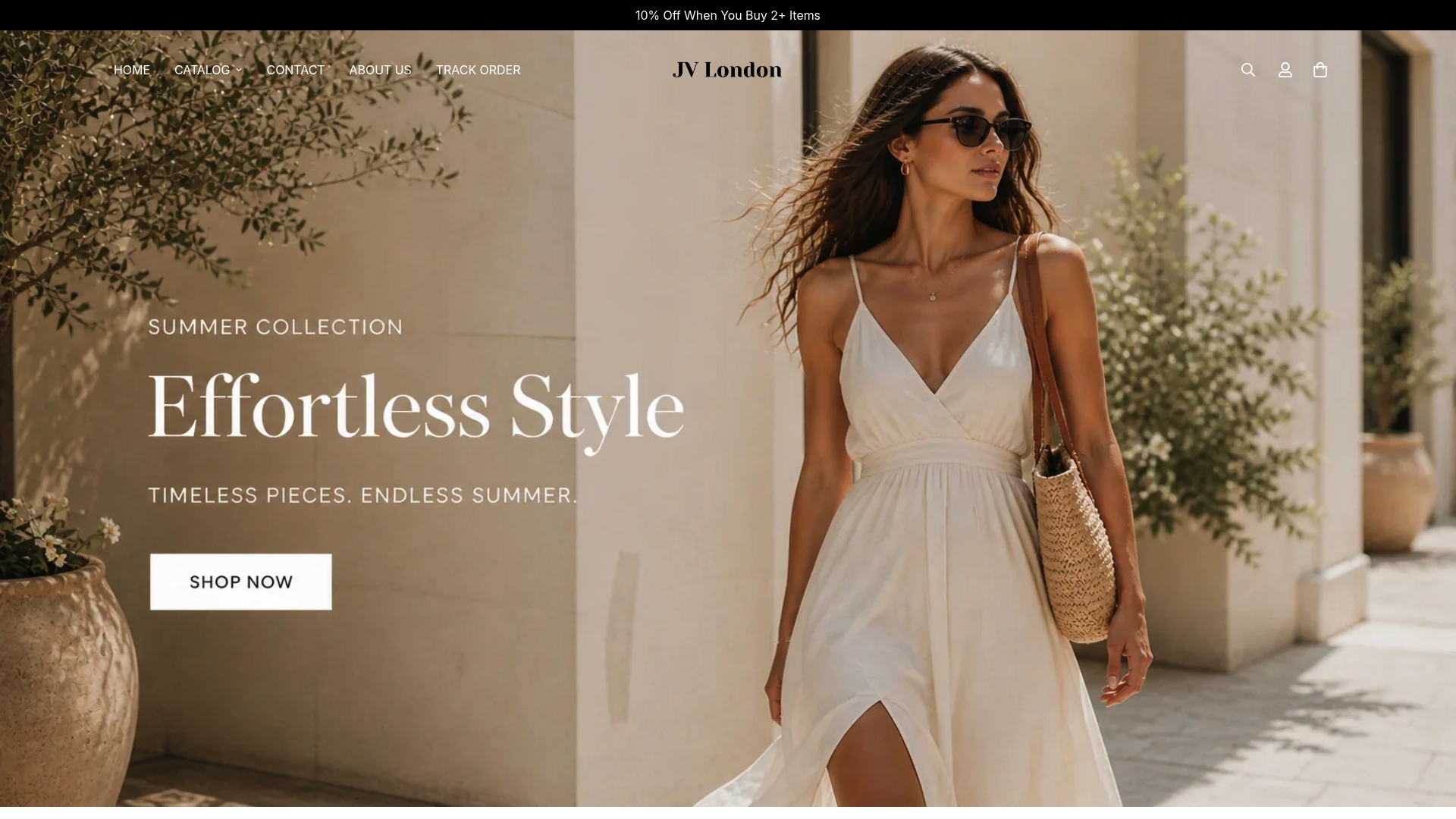
For a dress that earns its place across multiple occasions, the Belted Midi Dress with Wide Sleeves is a considered purchase by design. Jvwear offers free UK shipping and a 30-day returns window, so you can apply the smart shopping workflow with confidence. Clear sizing information and detailed product pages mean you have everything you need to order correctly the first time.
FAQ
What does “shop smart women’s fashion online” actually mean?
It means using body measurements, cost-per-wear calculations, and brand research to make considered purchases that fit well and offer long-term wardrobe value, rather than buying on impulse.
How do i reduce returns when buying clothes online?
Fit-related returns account for 53–70% of all online fashion returns. Using your exact measurements against each brand’s size chart before ordering is the most effective way to reduce them.
What is a capsule wardrobe and how many pieces does it need?
A capsule wardrobe is a curated set of 25–40 versatile pieces that cover daily life through mix-and-match outfit formulas, with each item pairing with multiple others.
Are apps like fytted and mirrorsize worth using?
Yes. Apps like Fytted and Mirrorsize generate size recommendations across different brands using your measurements, which reduces the guesswork involved in online sizing.
Is it safe to buy fashion directly from TikTok or instagram?
Social platforms create urgency but often lack sufficient product information to make a confident purchase. Always visit the brand’s official website to check sizing, fabric details, and the returns policy before ordering.