The easiest, foolproof spring wedding guest outfit is a breathable midi dress or a tailored jumpsuit in a seasonal shade, worn with sensible shoes and one light layer. Think chiffon, crepe or satin in sage, dusty blue or butter yellow, never white. JV London stocks exactly this kind of piece, and once you’ve nailed the formula, everything else in this guide is just fine-tuning for your specific venue.
TL;DR:
- Breathable midi dresses or tailored jumpsuits in seasonal shades are the easiest options, but avoid white and opt for fabrics like chiffon, crepe, or satin.
- Proper footwear depends on the venue: block heels or wedges are ideal for outdoor ceremonies, while heels are better suited to indoor venues with hard floors.
- One versatile midi dress can be adapted for various venues by swapping accessories, layering, or changing shoes, saving the need for multiple outfits.
- Fabrics like crepe and structured blends resist wrinkles and suit spring weather swings, while jewel tones are better for evening receptions; avoid white, ivory, or cream.
- Hair and makeup should be weather-resistant with simple, dewy styles, and practical accessories like layers and flats are crucial to handle changing temperatures and terrain.
Table of Contents
- Five spring wedding guest outfit formulas you can copy
- Dress codes decoded: black tie, cocktail, semi-formal and garden
- Fabrics and colours suited to spring weddings
- Shoes, accessories and layering: the mistakes to avoid
- One dress, four quick adaptations for different venues
- The JV London edit: picks built for spring weddings
- Grooming and hairstyle choices for spring weddings
- A quick checklist before you commit to an outfit
- Shop the spring wedding edit at JV London
- Sources
Five spring wedding guest outfit formulas you can copy
Every spring wedding falls into one of a handful of settings, and each one rewards a slightly different outfit. Copy whichever matches your invitation.
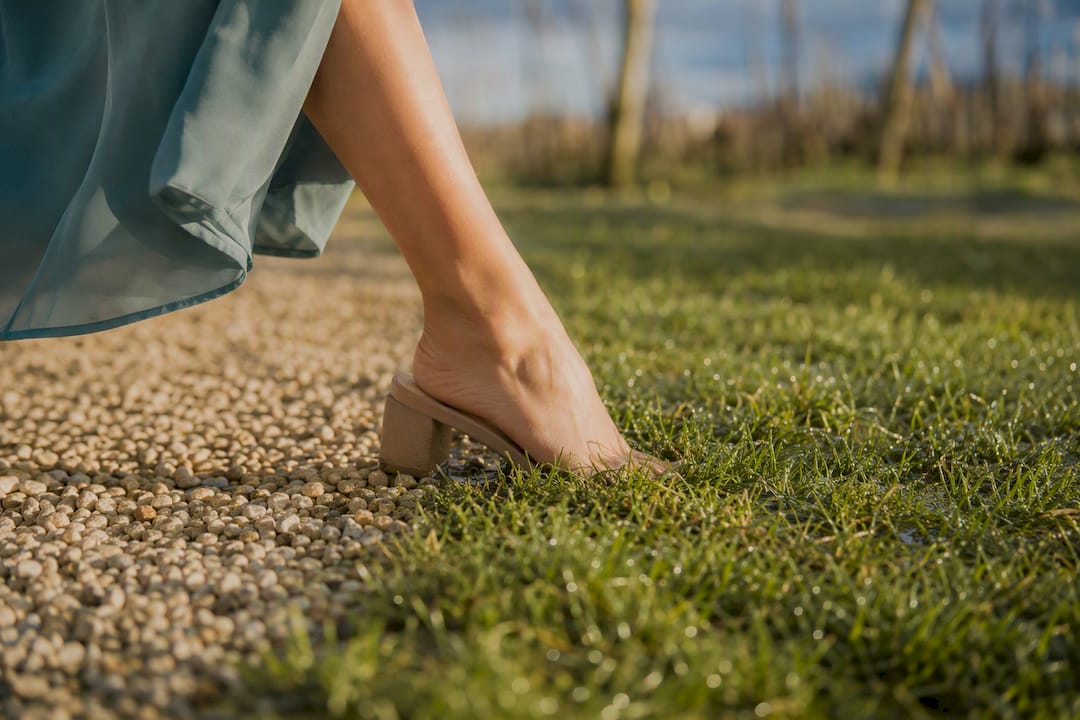
1. Garden or vineyard ceremony: floral maxi, block heel, wrap. A floral midi sundress works because grass and gravel punish anything with a spike heel. Fabric note: look for a lined skirt so it doesn’t cling in a breeze. Footwear tip: block heels or wedges spread your weight and stop you sinking, which matters more than most guests realise until they’re standing on a lawn.
2. Evening or hotel reception: satin midi, kitten heel, clutch. An asymmetric satin midi photographs beautifully under low lighting. Satin needs a slip underneath, since the fabric can cling and show every seam. A kitten heel with a small metallic clutch keeps the whole look polished without tipping into black tie territory.
3. Cocktail dress code, or you’d rather skip a dress entirely: crepe jumpsuit. A crepe jumpsuit with a defined waist and tapered leg photographs like a dress in formal shots while being far easier to dance in than a heavy gown, according to guidance from Bridebook. Add statement earrings and a low block heel.
4. Barn or rustic venue: tiered midaxi, wedge, pashmina. Uneven flooring and splinters call for durability over delicacy. A tiered midaxi smock in a sturdy cotton blend handles the terrain, and a wedge sandal survives both the ceremony field and the dance floor later.
5. City wedding, or you’re travelling to get there: co-ord set. A two-piece midi set packs flat, mixes and matches, and looks deliberately put-together rather than like a compromise. Pair with dressy flats for a day-to-evening outfit that survives a train journey.
Dress codes decoded: black tie, cocktail, semi-formal and garden
Invitation wording is often the only clue you get, so it pays to know what each phrase actually means before you shop.
Black tie means floor-length gowns or an elevated midaxi in a luxe fabric such as silk or structured crepe, since formality here dictates both silhouette and material, per Bridebook’s breakdown of wedding dress codes.
- Do choose a fitted midaxi or maxi in a fabric with real drape.
- Don’t turn up in anything cropped, casual, or overtly bridal-white.
Cocktail or semi-formal is the widest bracket and the most forgiving: polished midi dresses, refined jumpsuits, and tailored separates all qualify.
- Do lean into a tiered mesh midi or a structured crepe piece that holds its shape for photos.
- Don’t mistake “cocktail” for “casual” and show up in daywear.
Garden or casual dress codes still expect effort, just less structure. This is where a sundress or a relaxed midi earns its place, provided it isn’t a beach cover-up in disguise.
- Do pick breathable fabric with a proper hem and lining.
- Don’t wear an ivory or cream sundress to a church ceremony; it reads as bridal regardless of intent, a mistake flagged repeatedly in British wedding guest etiquette guides.
Timing matters too. Daytime ceremonies suit lighter, brighter palettes, while evening receptions give you licence for jewel tones, navy, or metallics without looking out of step with the earlier service.
Fabrics and colours suited to spring weddings
Fabric choice affects comfort, how a garment photographs, and how it behaves outdoors. Chiffon and georgette move beautifully but crease if you sit for hours and can billow in wind, so factor in the venue before committing. Crepe and structured blends resist wrinkles and hold their shape through a full day of standing, sitting, and dancing, making them the safer bet for cocktail and formal dress codes. Silk and satin have the best drape for evening pieces but need a slip underneath for modesty and to stop static cling.
- Sage, butter yellow, dusty blue, plum, eucalyptus and dusty rose are the season’s safest palette choices, as detailed in expert tips on best colors for summer weddings.
- Reserve jewel tones or navy for evening receptions rather than daytime garden ceremonies.
- White, ivory and cream are off-limits for guests, no matter how far from the bridal party you’re standing.
- Choose a non-white floral background print, since large-scale florals on white can still photograph as bridal from a distance.
Roughly a 10°F swing between an outdoor ceremony and an evening reception is common in spring, according to wedding stylists’ seasonal advice, which is exactly why fabric weight matters as much as colour.
Shoes, accessories and layering: the mistakes to avoid
Terrain should decide your shoes before style does. Block heels or dressy flats work for garden and beach ceremonies because stilettos sink into grass or sand, while a genuine stiletto is better saved for indoor venues with hard flooring, a point backed by Ocean Bride’s guest styling advice.
- Match your bag to the day: a structured top-handle bag for ceremony and speeches, a small clutch for the reception.
- Elevate with jewellery rather than colour if your dress is already patterned or bold.
- Avoid pastel blush or head-to-toe white accessories, since they can read as bridal-adjacent even on a guest.
- Bring a cashmere or silk pashmina, or a cropped blazer, so you’re not caught out by a cold marquee or a breezy churchyard.
Pro Tip: Pack a pair of clear plastic heel caps in your bag. They widen the base of a stiletto heel enough to stop it sinking into a lawn, which saves you from either hobbling through photos or switching to flats mid-reception.
One dress, four quick adaptations for different venues
You don’t need five outfits for five weddings. One well-chosen midi can flex across almost every spring scenario with small swaps.
- Church ceremony: add a cropped blazer for modesty and warmth, and switch to opaque or nude hosiery if the dress is sheer or short.
- Garden reception: swap in a block heel and have the hem taken up level with the new shoe height, since even half an inch changes how a skirt falls.
- Evening event: trade the day bag for a metallic clutch and the flats for kitten heels to shift the whole look after dark.
- Barn wedding: reinforce or trim delicate hem trims that catch on rough wood, and choose a sturdier fabric if you know you’ll be walking on straw or gravel.
Test the walk, the sit, and a few photographs at home before the day itself. It catches problems no mirror ever will.
The JV London edit: picks built for spring weddings
Shopping against a formula is far faster than browsing endlessly, so here’s where to start. Each of these works because the fabric, cut, or fit solves a specific spring wedding problem rather than just looking nice on a hanger.
- Belted midi dress with wide sleeves: a defined waist and fluid sleeves that suit both garden and cocktail dress codes.
- Floral midi sundress with lace-up detail: built for outdoor daytime ceremonies where breathability matters most.
- Elegant halter mini dress: suits relaxed daytime weddings, though a windy garden venue isn’t its best match.
- Two-piece midi dress set: a co-ord that travels flat and covers both ceremony and reception.
- Wedge sandals with cross strap design: the terrain-friendly footwear that garden and barn venues call for.
Every product page lists fabric composition and fit notes, and every order ships with free UK delivery and a 30-day returns window, so trying a colour against your skin tone at home carries no real risk.
Grooming and hairstyle choices for spring weddings
Your outfit sets the tone, but hair and makeup finish it. Spring weddings tend to run longer outdoors than winter ones, so weather-resistant choices matter more than usual. A half-up style or a low chignon holds up better in wind or light rain than loose waves, and it photographs cleanly against both florals and jewel-toned dresses.
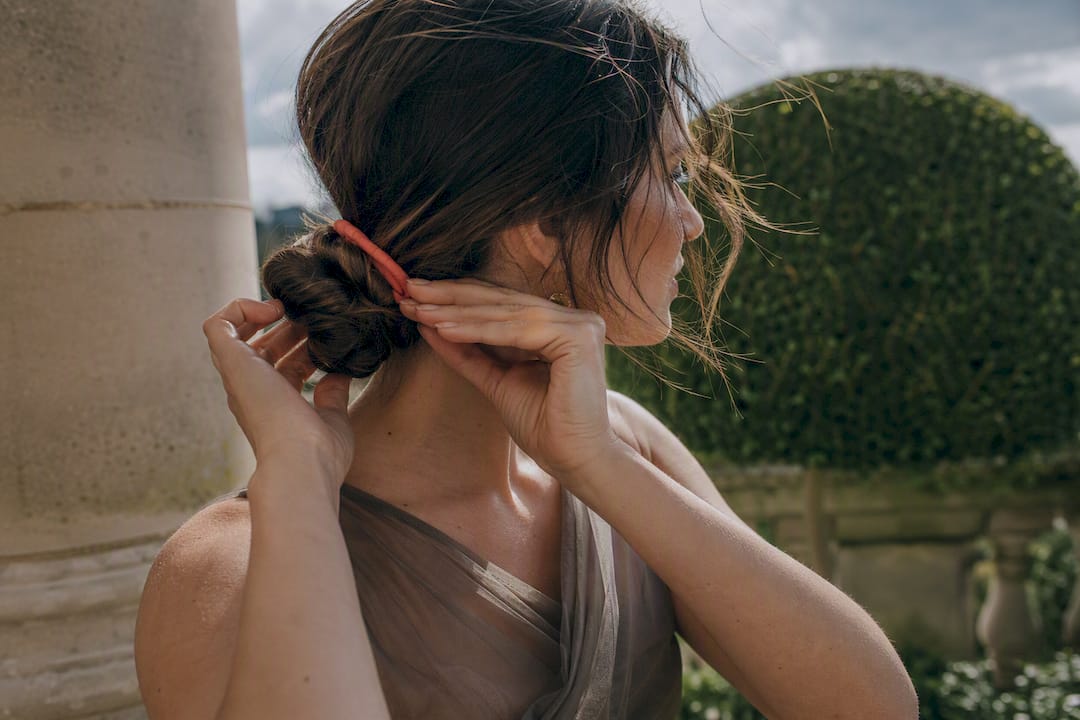
Makeup should lean dewy rather than heavy. Spring light, whether it’s a marquee at midday or golden hour on a lawn, is unforgiving on cakey foundation. A cream blush and a lightweight base survive hours of standing and hugging far better than full matte coverage.
Skip anything that competes with the bride for attention: avoid bridal-adjacent hairstyles like a veil-length half-up braid with delicate florals woven through, since that combination reads as borrowed from the wedding party rather than styled for a guest. The same logic applies to nail colour. Save the ivory French manicure for another day and reach for a dusty rose or soft nude instead.
If your venue is outdoors, test your hairstyle’s resistance to wind before the day. A style that looks polished in a still bathroom mirror can collapse entirely in a breezy churchyard, and there’s rarely time to fix it once the ceremony starts.
A quick checklist before you commit to an outfit
Before anything goes in the wardrobe for the day, run it past five checks: does it fit properly through the shoulders and waist, is the fabric right for the venue’s weather, have you actually walked in the shoes, do you have a layer for a temperature drop, and is there a back-up pair of flats in your bag just in case. That last one has saved more spring weddings than any styling tip.
— Mykola
Shop the spring wedding edit at JV London
Jvwear is the practical shortcut for exactly the formula this guide walks through: seasonal colour, forgiving fabric, and a fit that photographs well from ceremony to last dance. Rather than hunting across multiple retailers for a dress, shoes, and a layer that actually match, you can build the whole outfit from one UK-based catalogue.

Every piece ships free within the UK and comes with a 30-day returns window, so ordering two colours to compare against your invitation is a genuinely low-risk way to decide. The belted midi dress covers most dress codes on its own, while the cardigans collection solves the temperature-swing problem this guide keeps returning to. If you already know your venue and weather, browse the midi dress collection now and check sizing against the fit notes on each product page before the invitation deadline creeps up on you.
Sources
- How to decode British wedding guest dress codes and avoid fashion pitfalls
- What to wear to a wedding as a guest — dos, don’ts and top tips
- Wedding guest dress ideas
- The no‑stress guide to your perfect spring wedding guest dress