High fabric quality is the single most effective lever for making a minimalist wardrobe durable, sustainable, and genuinely functional. Strip away print, embellishment, and seasonal detailing, and the cloth itself carries everything: how a garment looks after fifty washes, whether it pills on the Tube, and whether it earns its cost-per-wear over three years or three months. The role of fabric quality in minimalism is not decorative — it is structural.
Two things to do right now:
- Quick shopping checklist: check fibre content (look for linen, organic cotton, wool, Tencel/lyocell, or recycled polyester), confirm GSM or weight where listed, and scan for GOTS, OEKO-TEX, or GRS certification marks.
- Red flags to avoid: missing fibre disclosure, vague “sustainable” language with no certification, absent care instructions, and prices that suggest fast-fashion sourcing on a minimalist aesthetic.
Upgrading fabric quality reduces return rates driven by shrinkage, pilling, and poor post-wash fit — which means a higher upfront cost often pays back quickly in cost-per-wear terms.
Pro Tip: Before buying, fold the fabric between your fingers and release it. A high-quality weave springs back; a low-quality one creases and stays creased.
Key takeaways
Fabric quality is the primary determinant of whether a minimalist wardrobe delivers durability, low lifecycle impact, and functional performance across years of wear.
| Point | Details |
|---|---|
| Fabric first, always | Check fibre content, GSM, and construction before price; missing fibre disclosure is a disqualifying red flag. |
| Know your durability benchmarks | Target 20,000+ Martindale rubs for everyday pieces; pilling rating 4–5 for knits; 200–300 GSM for suiting. |
| Think in cost-per-wear | Divide price by realistic wear count; a higher upfront cost almost always wins over a five-year horizon. |
| Certifications matter | Look for GOTS, OEKO-TEX, GRS, or BCI marks; vague “sustainable” claims with no named standard are a red flag. |
| Jvwear’s curated edit | Jvwear selects pieces for fibre quality, care simplicity, and longevity, with free UK shipping and 30-day returns. |
Table of Contents
- What does material minimalism actually mean for clothes?
- Which fabrics should you prioritise for a minimalist wardrobe?
- What fabric properties actually predict how long a garment will last?
- How do you judge sustainability and lifecycle impact when buying fabric?
- Care, repair, and maintenance: habits that extend garment life
- How to choose fabrics when building a minimalist wardrobe
- Why a fabric-first approach shapes how Jvwear curates its collections
- Jvwear’s fabric-first edit: where to start
- A note on the fabric-first approach
- Sources
What does material minimalism actually mean for clothes?
The industry term is “material minimalism” or “fabric-first design,” and it describes a philosophy where the textile itself does the communicating. Material minimalism prioritises high-quality, functional textiles and lifecycle thinking over decoration and seasonal trends. Once you remove the embellishment, the fabric has nowhere to hide.
This is meaningfully different from silhouette-led minimalism, which focuses on clean cuts and neutral palettes but may still use cheap, short-lived cloth. Fabric-first minimalism asks a harder question: does this material justify its existence over a five-year horizon?
The defining features of material minimalism are:
- Longevity: the fibre and construction are chosen to resist pilling, fading, and structural breakdown under regular wear and washing.
- Functionality: the fabric performs a job — breathability for summer, insulation for winter, moisture management for travel — rather than simply looking good on a hanger.
- Tonal restraint: colour palettes are kept tight partly because complex dyeing processes add chemical load and reduce repairability; simpler colourways also age better.
- Repairability: fabrics with a clear weave structure (plain weave, twill) are easier to re-seam or patch than bonded or heavily finished textiles.
- Traceability: fibre content, country of origin, and care guidance are disclosed on the label, which signals that the brand has thought about the full lifecycle.
Industry certifications such as GOTS (Global Organic Textile Standard), OEKO-TEX, GRS (Global Recycled Standard), and BCI (Better Cotton Initiative) are the practical markers of traceability. Durability testing standards — Martindale rub counts for abrasion resistance, Wyzenbeek for upholstery and heavy-use applications — give objective evidence that longevity claims are grounded in measurement rather than marketing. Cost-per-wear is the consumer-facing version of the same logic: divide the purchase price by the number of times you realistically wear the piece, and a £180 linen dress worn 120 times costs £1.50 per wear, less than a £35 fast-fashion alternative worn fifteen times.
For a broader look at how this philosophy translates into everyday dressing, Jvwear’s guide to minimalist dressing for everyday style is worth reading alongside this article.
Which fabrics should you prioritise for a minimalist wardrobe?
These fibres appear repeatedly in fabric-first minimalist collections because each one offers a meaningful combination of durability, care simplicity, and low lifecycle impact. For UK shoppers, the practical note is the same across all of them: always check the fibre percentage on the label, look for GSM where listed, and confirm country of origin if provenance matters to you.
-
Linen: made from flax, linen is one of the most durable plant fibres available. It softens with every wash, resists pilling, and breathes well in warm weather. Product pages for tested linen textiles routinely publish Martindale and Wyzenbeek rub results as durability indicators, which gives you a concrete benchmark when comparing pieces. The main caveat: linen creases easily, which suits relaxed or structured silhouettes better than tailored precision cuts. For a practical example of how linen translates into a wearable piece, Jvwear’s linen maxi dress shows the fabric’s drape and care requirements clearly.
-
Organic cotton: grown without synthetic pesticides and certified under GOTS or BCI, organic cotton is softer and more breathable than conventional cotton with a lower chemical footprint. It pills more readily than linen under abrasion, so GSM matters: a 180–200 GSM jersey holds its shape better than a 130 GSM one for everyday tees.
-
Wool: the strongest natural fibre for temperature regulation and resilience. Merino wool in particular resists odour, recovers its shape after stretching, and can go many wears between washes. It is the go-to for travel pieces and tailored outerwear. The trade-off is cost and care: most wool garments need cold hand-washing or a delicate machine cycle to avoid felting.
-
Silk: the highest drape-to-weight ratio of any natural fibre, which makes it ideal for fluid midi and maxi silhouettes. Silk is delicate under abrasion and UV exposure, so it suits occasion wear and protected everyday pieces rather than daily workhorses. Look for momme weight (16–22 momme is the practical range for garments) rather than thread count, which is not a meaningful silk metric.
-
Tencel/lyocell: a regenerated cellulose fibre produced in a closed-loop solvent process, which means the chemicals used in manufacturing are captured and reused rather than discharged. Tencel drapes like silk, breathes like cotton, and resists shrinkage better than either. It is one of the most versatile fibres for minimalist pieces because it photographs cleanly and holds colour well.
-
Hemp: stronger than cotton at the same weight, naturally resistant to UV and mildew, and improves with washing like linen. Hemp is still less widely available in the UK high street, but it appears increasingly in considered collections as a linen alternative.
-
Recycled polyester: made from post-consumer plastic (typically PET bottles), recycled polyester can deliver a smooth finish, long life, and low maintenance. Flat-woven constructions using recycled polyester offer durability and easy care suitable for minimalist design priorities. The lifecycle caveat: polyester sheds microfibres during washing, so a Guppyfriend wash bag or a washing machine filter is worth using.
Pro Tip: Mixing fibre types within a wardrobe — linen and Tencel for warm months, wool and recycled polyester for cold — lets you balance cost, durability, and care complexity without committing to one fibre for everything. The key is keeping each category small and well-chosen rather than broad and redundant.
For a deeper breakdown of these fibres in context, Jvwear’s best fabrics for minimalist fashion guide covers the full range with buying notes.
What fabric properties actually predict how long a garment will last?
Fabric performance specifications — strength, elasticity, colourfastness, and shrinkage are the objective measures that determine whether a garment meets consumer expectations after repeated wear and washing. Most shoppers never see these figures, but knowing what they mean helps you read product pages and ask better questions.
Weave type is the starting point. A plain weave (one thread over, one thread under) is the most stable and easiest to repair. Twill weaves (denim, gabardine) are more abrasion-resistant and drape better. Satin weaves are smooth but snag easily. For minimalist pieces that need to last, plain and twill constructions are the most practical.
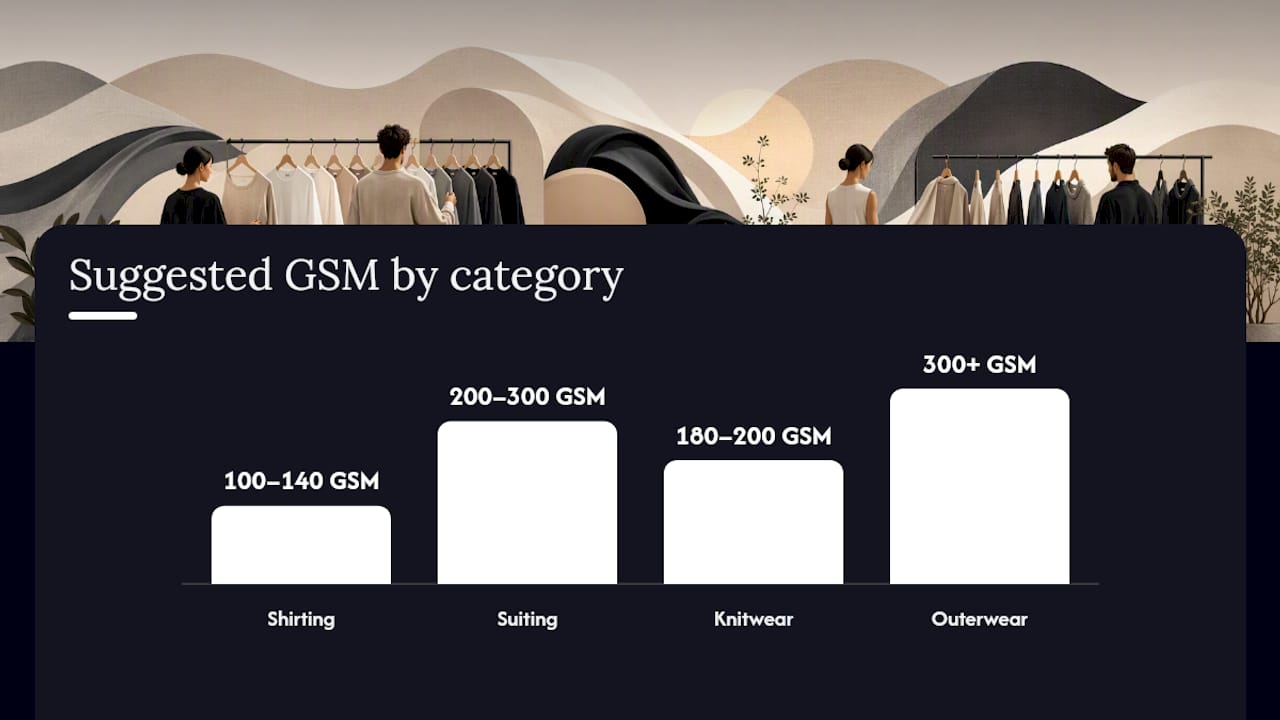
GSM (grams per square metre) tells you the weight of the cloth. For shirting, 100–140 GSM is standard; for suiting, 200–300 GSM; for outerwear, 300 GSM and above. A low GSM for a category (a 90 GSM “blazer” fabric, for example) is a reliable indicator of a short lifespan.
Martindale rub count measures abrasion resistance by rubbing a fabric sample against a standard abrasive in a figure-of-eight motion until the surface breaks down. A blend of linen, cotton, and nylon tested at 35,000+ Martindale rubs illustrates how industry tests map to heavy-use durability claims. For everyday garments, 20,000+ rubs is a reasonable target for pieces worn frequently; outerwear and workwear benefit from higher thresholds. Wyzenbeek is the US equivalent, measuring rubs in a straight back-and-forth motion; the two scales are not directly interchangeable.
Pilling rating (assessed on a scale of 1–5, where 5 is no pilling) matters most for knits and blended fabrics. A rating below 3 means visible pilling within months of regular wear.
| Wardrobe category | Suggested GSM range | Martindale target | Key test |
|---|---|---|---|
| Shirting / blouses | 100–140 GSM | 20,000+ rubs | Colourfastness, shrinkage |
| Suiting / tailoring | 200–300 GSM | 20,000+ rubs | Tensile strength, drape |
| Knitwear | 180–200 GSM | Pilling rating 4–5 | Pilling, elasticity recovery |
| Outerwear / jackets | 300+ GSM | 35,000+ rubs | Abrasion, water resistance |
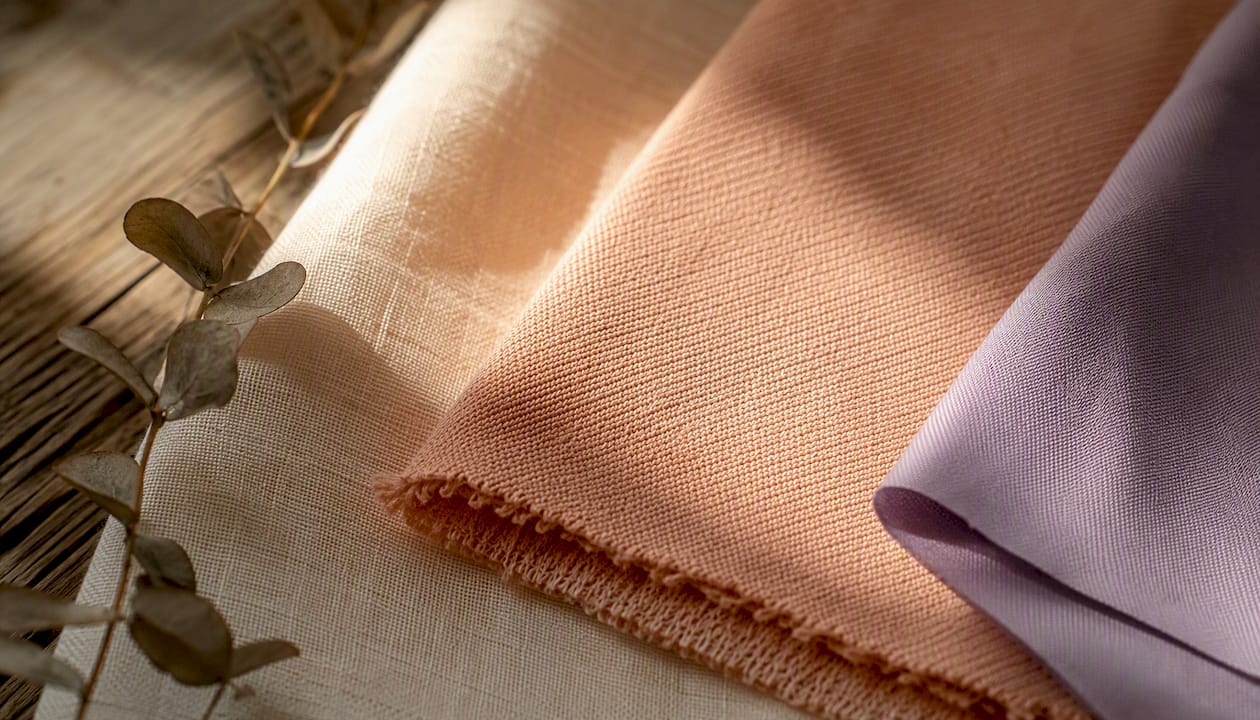
Around 20% of garment defects are attributable to fabric quality issues detectable through inspection, with shade variation between fabric rolls being one of the most common non-obvious problems. For shoppers, this translates into a practical check: if a garment has multiple panels or is part of a set, hold the pieces together in natural light and look for tonal inconsistency before buying.
Pro Tip: If you are sourcing or making small runs, request a pre-production shade approval and keep rolls segregated by lot number. Shade variation between rolls is one of the most frequent sourcing risks and one of the easiest to prevent with a simple approval step.
How do you judge sustainability and lifecycle impact when buying fabric?
Lifecycle thinking means tracing a garment from raw material through use to end of life, and asking where the environmental cost is highest. For most natural fibres, the biggest impact is in raw material production (water, land, pesticides). For synthetics, it is in fossil fuel extraction and end-of-life disposal. Regenerated fibres like Tencel sit in between, with relatively low production impact when the closed-loop process is used correctly.
Cost-per-wear is the most practical consumer tool for lifecycle thinking. A garment that costs more upfront but lasts five times longer has a lower environmental cost per use, fewer replacement purchases, and less waste. Fabric sourcing functions as an upstream brand control system that determines perceived value, production reliability, and commercial performance — which is why brands that invest in better cloth tend to produce fewer, longer-lasting pieces.
Certifications to look for:
- GOTS (Global Organic Textile Standard): covers organic fibre content and processing conditions, including chemical restrictions and social criteria. The most rigorous standard for natural fibres.
- OEKO-TEX Standard 100: tests the finished product for harmful substances. Does not certify organic production, but confirms the garment is safe to wear.
- GRS (Global Recycled Standard): verifies recycled content claims and chain of custody for recycled synthetics and blended materials.
- BCI (Better Cotton Initiative): a farm-level standard for conventional cotton that reduces pesticide and water use. Less rigorous than GOTS but widely adopted.
Red flags that suggest a sustainability claim is not backed by substance:
- No fibre content percentage on the label (legally required in the UK under the Textile Products (Labelling and Fibre Composition) Regulations 2012).
- “Sustainable” or “eco” language with no named certification or standard.
- Missing care instructions, which makes it impossible to wash the garment correctly and extends its life.
- Absent country of origin, which prevents any assessment of production conditions.
For gifting fabric-first pieces responsibly, sustainable packaging choices from partners like Nicholas & Rose align well with the same low-waste philosophy.
Care, repair, and maintenance: habits that extend garment life
The best fabric in the world degrades quickly with poor care. These habits make a measurable difference.
Washing and drying by fibre group:
- Linen: machine wash at 30–40°C on a gentle cycle; line dry or tumble dry on low. Avoid high heat, which causes irreversible shrinkage.
- Wool and merino: cold hand-wash or machine wool cycle; lay flat to dry. Never tumble dry or wring — both cause felting.
- Tencel/lyocell: gentle machine wash at 30°C; avoid the dryer where possible, as repeated heat cycles reduce the fibre’s natural drape.
- Recycled polyester: machine wash cold in a Guppyfriend bag to capture microfibres; air dry to reduce static and extend colour life.
- Silk: cold hand-wash with a pH-neutral detergent or dry clean; keep away from direct sunlight during drying.
Small repairs worth learning:
- Re-seaming a split seam takes under ten minutes with a needle and thread and extends a garment’s life by years.
- Darning a small hole in knitwear (wool or cotton) is faster than it looks and invisible when done with a matching yarn.
- Patching worn elbows or knees on linen or cotton pieces can be done decoratively or invisibly depending on the fabric weight.
When a repair is beyond basic hand-sewing — a broken zip on a structured jacket, a lining that has detached — a local alterations tailor is usually worth the cost. In most UK cities, a zip replacement runs £10–25 and extends a garment’s life by several years.
Storage and seasonal care:
- Store wool and cashmere in breathable cotton bags with cedar blocks or lavender sachets to deter moths; never in sealed plastic, which traps moisture.
- Keep silk and linen away from prolonged direct sunlight, which causes irreversible colour fading.
- Fold heavy knits rather than hanging them to prevent shoulder distortion.
Pro Tip: When buying second-hand or new, check the care label before you pay. A garment that requires dry-clean only for a fabric that could reasonably be hand-washed is often a sign of poor construction rather than delicate cloth — and it adds ongoing cost and inconvenience to every wear.
How to choose fabrics when building a minimalist wardrobe
This checklist works in-store and online. Work through it in order.
- Define the use case. Is this a daily wear piece, occasional wear, travel, or workwear? The use case determines which durability thresholds and care requirements are acceptable.
- Check fibre content. The label must list fibre percentages by law in the UK. Prioritise the fibres covered above; treat missing or vague fibre information as a disqualifying red flag.
- Assess weight and feel. If GSM is listed, cross-reference it against the category benchmarks in the durability table above. If not listed, handle the fabric: does it have substance, or does it feel thin and papery for its category?
- Look for test indicators. Pilling ratings, Martindale rub counts, and colourfastness grades are sometimes listed on product pages for considered brands. If absent, ask the retailer for mill details or fabric specification sheets.
- Verify care and repairability. Can you wash this at home? Is the construction simple enough to re-seam if needed? Quality control in fabric production directly affects final product consistency — pilling, fading, shrinking, and uneven dyeing are the most common defects in lower-quality cloth.
- Check provenance and certifications. Look for GOTS, OEKO-TEX, GRS, or BCI marks. Note the country of origin. A brand that discloses mill name and fibre source is treating traceability as a standard, not a marketing exercise.
- Calculate provisional cost-per-wear. Divide the price by a realistic wear count for the use case. A £90 Tencel blouse worn 80 times costs £1.13 per wear; a £30 blouse worn 12 times costs £2.50.
For online shopping specifically: zoom into fabric close-up images to assess weave density and surface texture; use product filters for fibre type where available; and check the returns policy before buying — free UK returns (as Jvwear offers within 30 days) reduce the risk of buying blind on fabric quality.
Precise fabric sourcing reduces rework, returns, and dead stock for premium brands — and the same discipline, applied by shoppers, reduces wardrobe waste and regret purchases. For quality indicators that apply to smaller, more delicate garments, this primer on quality markers in apparel covers stitching and fabric tests in accessible terms.
Why a fabric-first approach shapes how Jvwear curates its collections
At Jvwear, the starting point for every piece in the collection is the cloth. When decoration is stripped back, the fabric communicates everything — how a dress moves, how it washes, how it looks after a year of regular wear. That is why fibre content, care guidance, and construction quality are treated as non-negotiable criteria rather than optional disclosures.
The practical benefit for you is straightforward: fewer pieces that disappoint after the first wash, and more pieces that earn their place in a wardrobe over time. Jvwear’s curated collections — from relaxed linen shirts to structured midi sets — are chosen with longer life and lower replacement frequency in mind. Transparency on fibre content, easy UK returns within 30 days, and free UK shipping mean you can buy with confidence and return without friction if a piece does not meet your expectations in person.
Jvwear’s fabric-first edit: where to start
If you want a fast path to fabric-first minimalist pieces without researching every fibre yourself, Jvwear’s collections are a practical starting point. The cardigan collection is a good example of knit quality done right: pieces chosen for their weight, drape, and wash performance rather than seasonal novelty. For a coordinated minimalist set that demonstrates how considered fabric choices translate into everyday versatility, the two-piece midi dress set pairs a structured dress with a button-front cardigan in complementary weights. Free UK shipping and a 30-day hassle-free returns policy mean you can assess fabric quality at home before committing. Browse the full collection at Jvwear and filter by style to find pieces that fit your use case and care preferences.
A note on the fabric-first approach
The conventional wisdom in minimalist fashion is that less is more — fewer pieces, cleaner lines, neutral colours. That is true as far as it goes. But the version of minimalism that actually delivers on its promise is not about owning ten items instead of fifty. It is about owning ten items that hold up.
The gap between those two things is fabric quality. A capsule wardrobe built on cheap cloth is just a smaller version of the same problem: pieces that pill, fade, and lose their shape within a season, replaced on the same cycle as a larger wardrobe. The environmental and financial logic of minimalism only works when the pieces last.
What most guides understate is how much of this is verifiable before you buy. Martindale rub counts, GSM figures, pilling ratings, certification marks — these are not obscure technical details. They are the evidence that a brand has done the work. When a brand publishes them, it is a signal worth trusting. When it does not, the absence is informative.
The other thing worth saying: fabric quality is not synonymous with price. Some of the most durable everyday fabrics — mid-weight linen, GOTS-certified cotton, flat-woven recycled polyester — are not expensive. The premium is in the sourcing discipline and the transparency, not always in the raw material cost. Knowing what to look for means you can find genuinely long-lasting pieces at a range of price points, rather than assuming that a high price guarantees quality or that a lower price rules it out.
Sources
These are the standards and references worth bookmarking when evaluating fabric claims:
- Material Minimalism in Fashion: Why Fabric-First, Function-First Clothing is the Future - Fibre2Fashion
- What Is the Role of a Top-Quality Fabric in Brand Positioning? – Fumao Fabric
When checking provenance on a product page, look for: mill name or country of origin, fibre percentage breakdown, and care instructions. A brand that publishes all three is treating traceability as standard practice. One that omits any of them is worth questioning before you buy.