The best fabrics for minimalist fashion are natural, durable fibres that offer longevity, breathability, and a low environmental footprint. Organic cotton, linen, premium wool, and silk are the foundational minimalist fashion materials that professionals in the textile industry call “natural high-performance fibres.” These are not trend-driven choices. They are the textiles that hold their shape, age gracefully, and reduce your wardrobe’s impact on the planet. If you are building a capsule wardrobe in 2026, fabric is where every decision starts.
1. What makes organic cotton the best fabric for minimalist fashion?
Organic cotton is the most versatile entry point into minimalist dressing. It is soft, breathable, and grown without synthetic pesticides, which means it carries a significantly lower environmental cost than conventional cotton. You will find it in everything from fitted T-shirts and wide-leg trousers to relaxed shirt dresses and lightweight knitwear.
The key properties that make organic cotton work for a minimalist everyday wardrobe are:
- Breathability: Natural fibre construction allows air to circulate, keeping you comfortable across seasons.
- Softness: Organic processing retains the fibre’s natural softness without chemical finishing agents.
- Durability: Properly cared-for organic cotton garments maintain their structure over years, unlike synthetic fast-fashion fabrics.
- Colour retention: Natural dyeing processes on organic cotton produce richer, longer-lasting tones.
Sustainable natural fabrics biodegrade, require fewer chemical treatments, and last for years with proper care. That makes organic cotton one of the most responsible choices you can make.
Pro Tip: Wash organic cotton garments in cold water on a gentle cycle and air-dry them flat. This preserves the fibre structure and prevents shrinkage, extending the life of each piece considerably.
2. How linen embodies breathable style and durability for minimalism
Linen is the fabric that minimalist fashion was practically built around. It is woven from flax plant fibres, which makes it one of the most biodegradable textiles available. Its open weave structure allows exceptional airflow, and linen excels in hot, humid environments where synthetic fabrics become uncomfortable quickly.
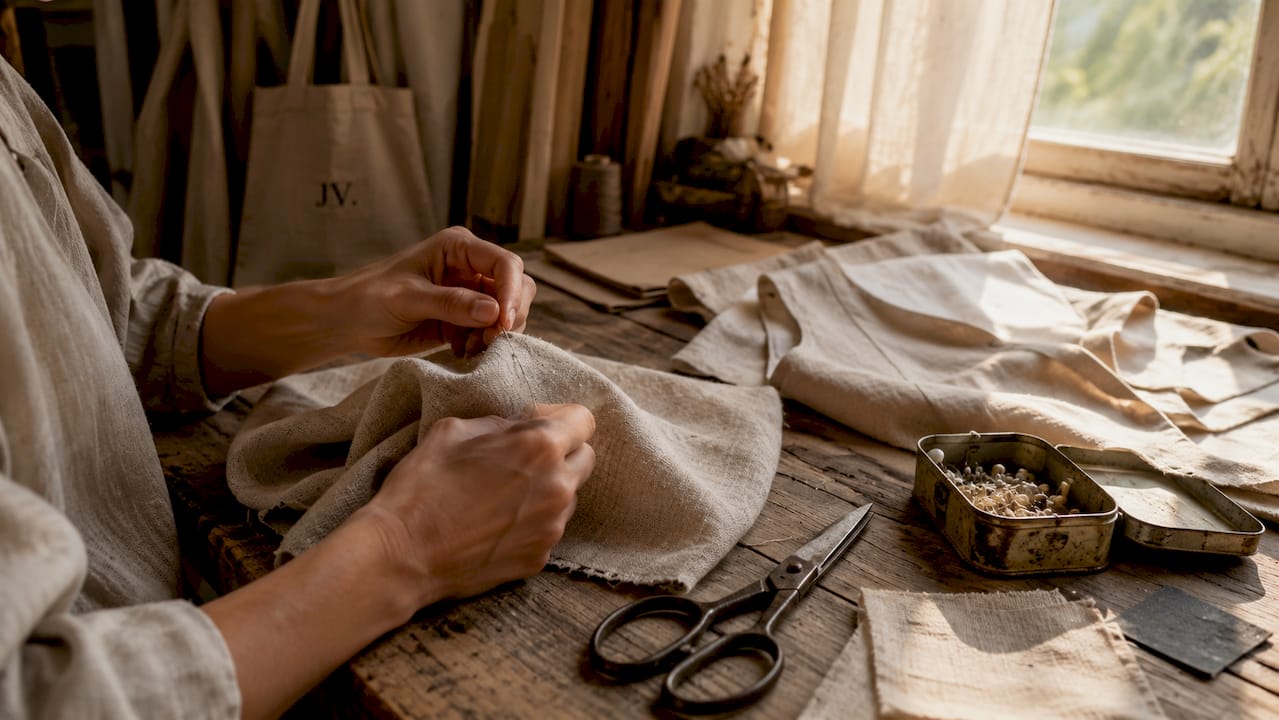
What sets linen apart aesthetically is its texture. The natural wrinkling that develops with wear is not a flaw. Linen’s natural wrinkling is a mark of authentic quality and is fully embraced within minimalist aesthetics. That lived-in quality is precisely what makes a linen shirt or wide-leg trouser look intentional rather than careless.
Linen garments that work particularly well in a minimalist wardrobe include:
- Wide-leg and straight-cut trousers
- Relaxed button-front shirts and overshirts
- Midi and maxi dresses with clean silhouettes
- Lightweight blazers for layering
High-quality linen softens with each wash while maintaining its structural integrity. That means a linen piece you buy today will feel better in two years than it does now.
Pro Tip: Hang linen garments to dry rather than tumble-drying them. Steam rather than iron where possible, as this preserves the natural texture that gives linen its distinctive character.
3. Why premium wool and silk add quiet luxury to minimalist wardrobes
Wool and silk occupy the upper tier of minimalist fashion materials, and for good reason. The Quiet Luxury movement prioritises fabric integrity, durability, and dye consistency over novelty. Both wool and silk deliver exactly that.
Merino wool is the standout choice within the wool category. It regulates temperature, resists odour, and stays comfortable across varying conditions. That makes it ideal for layering in a minimalist wardrobe that needs to function across seasons. Tightly knit wool blends resist pilling and maintain their silhouette longer than loosely knit alternatives. This is the structural quality that separates investment knitwear from disposable pieces.
Silk brings a different kind of value. It is naturally temperature-regulating, lightweight, and carries an inherent elegance that requires no embellishment. A silk blouse or slip dress in a neutral tone is the definition of effortless minimalist dressing. Key wool and silk pieces to consider include:
- Merino wool crew-neck jumpers and cardigans
- Fine wool scarves and wraps for layering
- Silk blouses in ivory, stone, or black
- Lightweight silk or silk-blend slip dresses
Care for both fabrics with cool hand-washing or a delicate machine cycle. Store wool folded rather than hung to prevent stretching at the shoulders.
4. Emerging sustainable fabrics that support minimalist principles
Beyond the core four, a second tier of sustainable textiles has become genuinely relevant for minimalist wardrobes. TENCEL (the branded name for lyocell), bamboo blends, and hemp each bring distinct properties that complement a low-waste approach to dressing.
TENCEL lyocell is produced in a closed-loop manufacturing process, meaning the solvents used to create the fibre are recycled rather than released. The result is a fabric that is breathable, moisture-wicking, and exceptionally smooth against the skin. It drapes beautifully, which makes it well-suited to fluid minimalist silhouettes like wide-leg trousers and relaxed midi dresses.
Bamboo fabric is softer than most cotton, with temperature-regulating and self-cleaning properties. It works particularly well for base layers, fitted tops, and underwear where comfort against the skin is the priority. Hemp is the most durable of the three. It softens progressively with washing and is one of the least resource-intensive crops to grow. Hemp-cotton blends are increasingly common and offer a practical balance of structure and comfort.
Key properties at a glance:
- TENCEL lyocell: Closed-loop production, smooth drape, moisture management
- Bamboo blends: Ultra-soft, temperature-regulating, ideal for base layers
- Hemp: Exceptionally durable, improves with washing, low environmental footprint
- Blended fabrics: Combine the strengths of two fibres, but check the composition label for synthetic content
When buying blended fabrics, aim for compositions that are at least 70% natural fibre. Blends with a high synthetic content lose the sustainability and breathability benefits that make these textiles worth choosing.
5. How to choose, care for, and build with the best textile choices for minimalism
Choosing the right fabric is only the first step. Knowing how to verify quality, care for your pieces, and build a cohesive wardrobe around them is what makes minimalism actually work.
Verifying quality and sustainability
Look for recognised certifications when shopping. The Global Organic Textile Standard (GOTS) certifies organic cotton and other natural fibres from farm to finished garment. The OEKO-TEX Standard 100 certifies that a fabric has been tested for harmful substances. These labels are your clearest signal that a fabric claim is genuine rather than marketing language.
Mixing fabrics by season and occasion
A well-built minimalist wardrobe uses fabric weight and texture to create variety without adding volume. The role of fit in minimalist fashion is as significant as fabric choice. A linen shirt in summer, a merino wool cardigan in autumn, and a silk blouse for evenings across both seasons give you genuine versatility from a small number of pieces.
Care practices that extend garment life
- Wash at the lowest effective temperature for the fabric type.
- Use a mesh laundry bag for delicate items like silk and fine wool.
- Air-dry all natural fibre garments where possible.
- Store knitwear folded, not hung.
- Mend small pulls or loose threads immediately before they worsen.
Pro Tip: Invest in a fabric shaver for wool and cotton knitwear. Removing pilling every few months restores the garment’s appearance and extends its wearable life by years.
A simple capsule wardrobe built on these fabrics might include: two organic cotton T-shirts, one linen shirt, one merino wool cardigan, one silk or TENCEL blouse, two pairs of well-cut trousers in linen or cotton, and one versatile dress. That is eight pieces that cover the majority of occasions without redundancy.
| Fabric | Best use | Care priority |
|---|---|---|
| Organic cotton | T-shirts, trousers, shirt dresses | Cold wash, air-dry flat |
| Linen | Shirts, wide-leg trousers, dresses | Hang to dry, steam rather than iron |
| Merino wool | Knitwear, cardigans, layering pieces | Cool hand-wash, fold to store |
| Silk | Blouses, slip dresses, scarves | Hand-wash or delicate cycle only |
| TENCEL lyocell | Fluid trousers, relaxed midi dresses | Low-temperature machine wash |
Key takeaways
The best textile choices for minimalism are natural, certified fibres that combine durability, breathability, and low environmental impact, making every piece in your wardrobe work harder and last longer.
| Point | Details |
|---|---|
| Prioritise natural fibres | Organic cotton, linen, wool, and silk outlast synthetics and biodegrade responsibly. |
| Linen improves with age | Linen softens with each wash while retaining its structure, making it a long-term investment. |
| Check certifications | GOTS and OEKO-TEX Standard 100 are the clearest proof of genuine fabric sustainability. |
| Avoid synthetic blends | Fabrics below 70% natural fibre content lose breathability and sustainability benefits. |
| Care extends garment life | Cold washing, air-drying, and prompt mending add years to natural fibre garments. |
Why fabric quality has become the real currency of minimalist dressing
I have watched the conversation around minimalist fashion shift considerably over the past few years. When people first started talking about capsule wardrobes, the focus was almost entirely on colour palettes and silhouettes. Fabric barely got a mention. That has changed, and I think it reflects something genuinely important.
The women I see building the most considered wardrobes are not asking “what should I buy?” They are asking “what is this made from?” That question is the one that separates a wardrobe that actually works from one that just looks good in a flat lay. Japanese minimalist fashion has long understood this. The emphasis there is on fabrics that improve with wear and construction that prolongs garment life. That philosophy is now influencing how young women in the UK and across Europe approach their wardrobes.
The uncomfortable truth about fast fashion synthetics is that they are, as the industry increasingly acknowledges, wearable plastics. They do not biodegrade. They shed microfibres with every wash. And they rarely hold their shape beyond a season. Choosing a linen dress or a merino cardigan instead is not a sacrifice. It is a straightforward upgrade in every measurable way.
My honest view is that fabric quality is the single most underrated factor in building a wardrobe you will actually wear for years. Buy less, choose natural fibres, and care for what you own. The less is more approach to fashion is not about restriction. It is about choosing things that genuinely earn their place.
— Mykola
Jvwear’s natural fabric edit for your minimalist wardrobe
Building a minimalist wardrobe around quality fabrics does not require endless searching. Jvwear’s collection at JV London brings together pieces designed for exactly this purpose: clean silhouettes, natural materials, and the kind of versatility that makes getting dressed straightforward.
The cardigans collection is a strong starting point, with knitwear that layers across seasons and holds its shape wash after wash. For a complete outfit built on natural fabrics, the linen-cotton mini dress combines two of the best minimalist fashion materials in a single, versatile piece. Free UK shipping and 30-day returns mean you can shop with confidence. Every piece is chosen with the same principle in mind: fewer, better things that you will reach for again and again.
FAQ
What fabrics are best for minimalist fashion?
Organic cotton, linen, merino wool, silk, and TENCEL lyocell are the top fabrics for minimalist fashion. These natural and semi-natural fibres offer durability, breathability, and a lower environmental impact than synthetic alternatives.
Are synthetic fabrics suitable for a minimalist wardrobe?
Synthetic fabrics like polyester, nylon, and acrylic act as wearable plastics and do not biodegrade. Natural fibres are the better choice for a minimalist wardrobe built on longevity and sustainability.
How do I care for linen to make it last longer?
Hang linen to dry after washing and steam rather than iron it to preserve its natural texture. Linen softens with each wash while maintaining its structure, so it genuinely improves over time.
What sustainability certifications should I look for when buying fabric?
The Global Organic Textile Standard (GOTS) and OEKO-TEX Standard 100 are the two most recognised certifications. GOTS covers the full supply chain for organic fibres, while OEKO-TEX certifies that a fabric is free from harmful substances.
How many pieces do I need for a minimalist wardrobe?
A functional minimalist wardrobe can work with as few as eight to ten carefully chosen pieces in natural fabrics. The priority is versatility and quality rather than quantity, with each piece able to work across multiple occasions and seasons.