Shopping online clothing sales wisely means making purchases that combine style, affordability, and lasting value through informed decision-making. The key metric professionals use is Cost Per Wear (CPW), which divides the price of a garment by the number of times you expect to wear it. A £150 jacket worn 100 times costs £1.50 per wear. A £30 impulse buy worn twice costs £15 per wear. This article gives you the preparation, tools, and decision filters to buy clothes online deals that genuinely serve your wardrobe long term.
What preparatory steps should you take before sale shopping online?
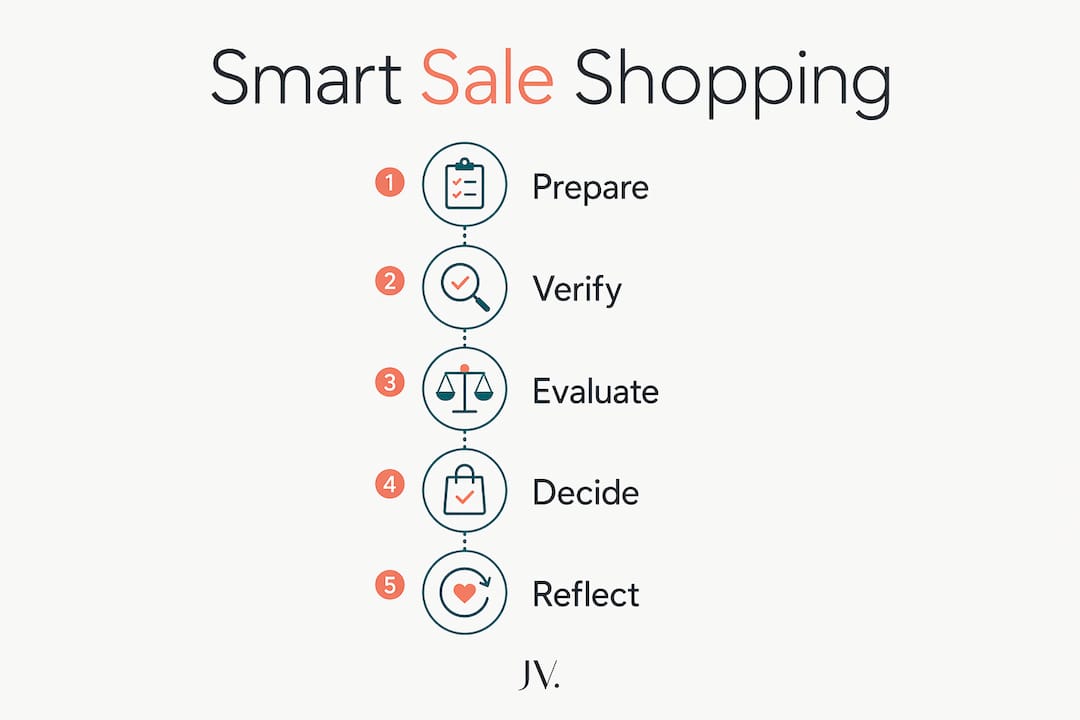
Preparation is the single biggest factor separating a satisfying sale haul from a drawer full of regret. Fashion expert Megan Kristel identifies shopping without a clear plan as the most common and costly mistake shoppers make. Before a sale opens, you need a clear picture of what your wardrobe actually lacks.
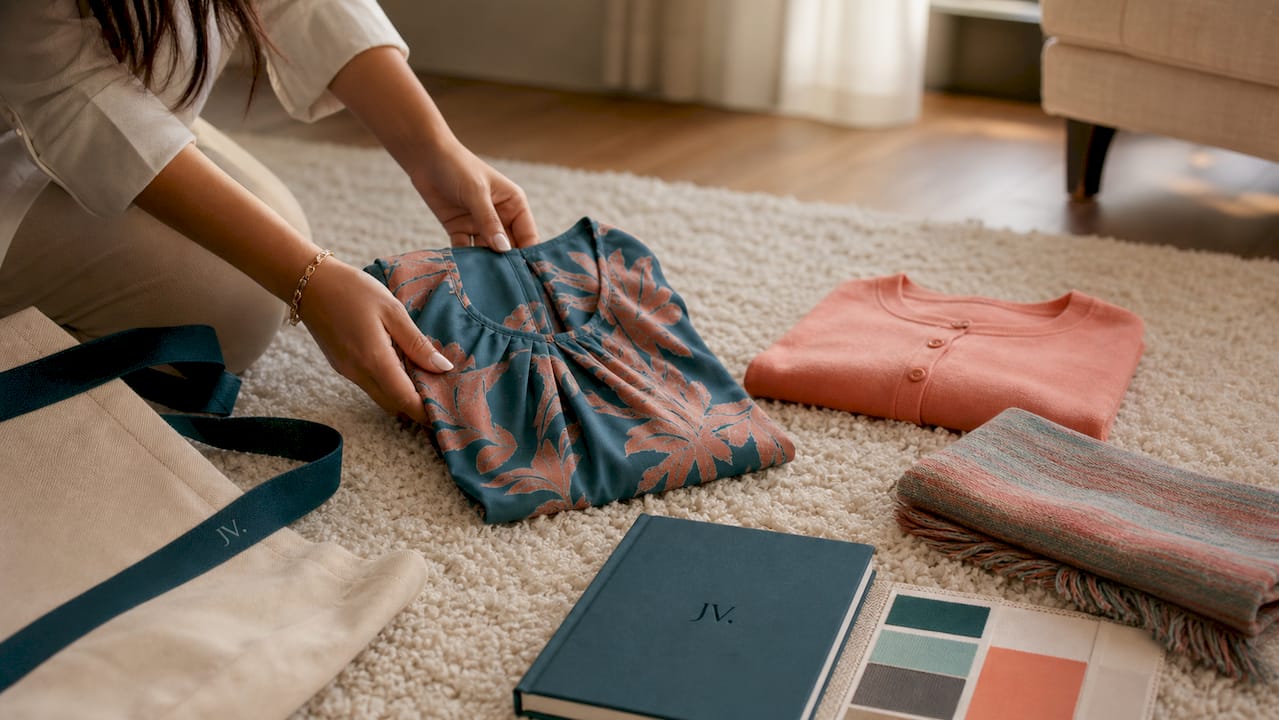
Start by auditing your wardrobe. Pull out everything you own and identify genuine gaps: a versatile midi dress, a neutral cardigan, a pair of flat sandals. Write these down as a shopping list and commit to it. A list stops you from buying what is on offer rather than what you need.
Next, take your body measurements and save them somewhere accessible, such as a note on your phone. 53% of apparel returns are caused by size and fit issues. That figure means most returns are entirely avoidable with a tape measure and two minutes of preparation.
Before any sale, complete these steps:
- Write a specific shopping list with item types, colours, and approximate price limits.
- Record your bust, waist, hip, and inseam measurements.
- Set a firm budget for the sale period and treat it as non-negotiable.
- Browse items at full price beforehand to identify the exact sizes and cuts that suit you.
- Use filters for natural fibres and correct sizes to cut through low-quality options instantly.
Pro Tip: Browse the full-price section of a retailer a week before a sale. Add your preferred items to a wishlist. When the sale starts, you already know your size and whether the discount is genuine.
How can technology and tools help verify genuine discounts?
Not every sale price is a real saving. Retailers sometimes inflate the original price before a sale to make the discount appear larger than it is. The right tools expose this tactic before you spend a penny.
Browser extensions like Honey and CamelCamelCamel provide historical pricing data so you can see what an item actually sold for over the past six to twelve months. If a dress is listed at “50% off” but the historical price shows it rarely sold above the current “sale” price, you are not getting a deal. You are getting a marketing trick.
Signing up for retailer newsletters also pays off. Most brands offer early sale access or an additional discount code to subscribers. This gives you first pick of stock before popular sizes sell out.
The abandoned cart tactic is one of the most underused tools available. Leaving items in your cart for 24–48 hours triggers retailer discount emails offering exclusive codes or free shipping. Retailers use abandoned cart tracking to bring hesitant shoppers back, and you can use that behaviour to your advantage.
Quick technology checklist for smart online clothing shopping:
- Install Honey or a similar price-tracking extension before sale season.
- Subscribe to newsletters from your preferred retailers at least two weeks before major sales.
- Leave shortlisted items in your cart overnight before purchasing.
- Switch the default sort order to “Price: High to Low” to surface premium fabric items with genuine markdowns rather than slow-selling stock.
Pro Tip: Set a browser bookmark folder for your shortlisted sale items. Check prices daily in the week before a sale. A sudden drop before the official start date often signals the real discount window.
What strategies help evaluate clothing for long-term value?
Every sale item deserves a structured evaluation before you commit. The Cost Per Wear framework is the most reliable method for this. Divide the sale price by the realistic number of times you will wear the item in a year, then multiply by the number of years you expect to keep it. A £60 dress worn 30 times a year for three years costs £0.67 per wear. That is genuine value.
The 100-Wears Rule
The 100-Wears Rule is a practical decision filter: only buy an item if you can realistically imagine wearing it 100 times. This sounds like a high bar, but a well-chosen wardrobe staple, such as a classic cardigan or a versatile midi dress, reaches 100 wears within two to three years of regular use. If you cannot picture 100 occasions for an item, put it back.
The “wear it three ways” test
Industry professionals recommend that each sale purchase should style into at least three complete outfits using clothes you already own. This is not about creativity for its own sake. It is a practical test of whether the item genuinely fits your life. A floral midi sundress that works with trainers for daytime, heels for an evening out, and a denim jacket for a casual weekend passes the test. A sequinned top that only works for one specific occasion does not.
Assessing fabric quality online
Fabric weight, measured in GSM (grams per square metre), is a reliable indicator of quality. Quality cotton sits at 180–300 GSM. Hoodies should fall between 280–400 GSM. Denim quality starts at 350 GSM and above. Any garment with a lower GSM than these benchmarks will likely feel thin and wear out quickly. Check the product description for fabric composition and weight before buying.
Evaluation framework for any sale item:
- Calculate the Cost Per Wear using a realistic wear estimate.
- Apply the 100-Wears Rule as a go or no-go filter.
- Test versatility with the “wear it three ways” rule against your existing wardrobe.
- Check the fabric composition and GSM in the product details.
- Confirm the item fills a genuine gap identified in your pre-sale wardrobe audit.
For deeper guidance on applying the CPW metric to your purchases, Jvwear’s 2026 shopping guide breaks down the calculation with real wardrobe examples.
Pro Tip: Screenshot the product page, including the fabric details, before buying. If the item disappoints on arrival, you have evidence for a return and a record to avoid that fabric in future.
How to avoid common mistakes when shopping online sales?
The biggest mistakes in online sale shopping are not about choosing the wrong item. They are about the conditions under which you choose. Urgency, scarcity, and social pressure all push shoppers toward decisions they later regret.
“A 24-hour cooling-off period reduces unnecessary impulse purchases by up to 40% by allowing the emotional surge of a deal to subside. Mandatory waiting before checkout supports rational decision-making instead of dopamine-driven impulse buying.”
That finding is worth taking seriously. When you feel the pull to buy immediately, that feeling is the signal to wait, not to act. Add the item to your wishlist, close the tab, and return the next day. If you still want it after 24 hours, buy it with confidence.
Common pitfalls and how to sidestep them:
- Countdown timers and low stock alerts. Fake scarcity tactics are standard practice in online retail. A “only 2 left!” warning is often a permanent fixture on a product page. Leave the site, reconsider, and return if the item genuinely matters to you.
- Ignoring return policies. Sale return policies are frequently stricter than standard policies. Some retailers offer only store credit, charge restocking fees, or mark items as final sale with no returns at all. Read the policy before you add anything to your cart.
- Trusting influencer recommendations blindly. Social commerce creates artificial demand around specific items. An influencer’s wardrobe, lifestyle, and body shape may be entirely different from yours. Apply your own evaluation framework regardless of how many people have posted about an item.
- Skipping the size chart. Sizing varies significantly between brands. Always compare your measurements against the specific brand’s size chart, not your usual size label.
For a full breakdown of how flash sales work and how to navigate their pressure tactics, Jvwear’s guide covers the mechanics in detail.
Key takeaways
Shopping online clothing sales wisely requires preparation, the right tools, and a clear evaluation framework applied before every purchase.
| Point | Details |
|---|---|
| Prepare before the sale | Audit your wardrobe, write a shopping list, and record your measurements before any sale opens. |
| Verify discounts with tools | Use Honey or CamelCamelCamel to check historical prices and confirm a sale is a genuine markdown. |
| Apply Cost Per Wear | Divide the sale price by expected wears to measure true value, not just the discount percentage. |
| Test versatility | Only buy items you can style three different ways using clothes you already own. |
| Wait before buying | A 24-hour pause reduces impulse purchases and lets rational thinking replace emotional urgency. |
Why preparation changes everything about sale shopping
I have spent years watching people approach sales the same way: open the app, scroll fast, buy what looks good at a reduced price, and feel vaguely disappointed a week later. The clothes sit unworn because they do not fit the life the buyer actually leads.
The shift that changed my own approach was treating a sale as a planned event, not a spontaneous one. I now spend more time preparing for a sale than I spend shopping during it. My wardrobe audit takes 20 minutes. My shopping list takes five. That 25 minutes of preparation saves me from buying three items I do not need and missing the one I genuinely do.
The CPW framework sounds clinical, but it is actually liberating. Once you calculate that a £90 dress worn 60 times costs £1.50 per wear, spending £90 feels entirely reasonable. The number removes the guilt and replaces it with clarity. That is the mindset shift that separates a smart shopper from someone who just got lucky.
My personal rule is simple: if I cannot picture wearing it next week, I do not buy it in a sale. Sales create the illusion that an item is more desirable because it is cheaper. Discipline means asking whether you would want it at full price. If the answer is no, the discount is not a saving. It is a smaller loss.
— Mykola
Jvwear’s collections for the considered shopper
Jvwear’s catalogue at JV London is built around exactly the kind of pieces that reward the CPW approach. The cardigan collection features versatile layering pieces designed to work across multiple outfits and seasons, the kind of wardrobe staples that reach 100 wears without effort. For shoppers building a capsule wardrobe with genuine longevity, the Solvra Two Piece Midi Dress Set offers a coordinated look that styles three ways straight out of the box. Jvwear offers free UK shipping and 30-day hassle-free returns, which means you can apply the preparation strategies in this article and still shop with confidence if something does not work as expected.
FAQ
What is Cost Per Wear and why does it matter?
Cost Per Wear divides the price of a garment by the number of times you expect to wear it. A lower CPW indicates better long-term value, regardless of the original sale price.
How do I know if a sale discount is genuine?
Use browser extensions like Honey or CamelCamelCamel to check the item’s price history. If the “original” price was rarely charged before the sale, the discount is likely inflated.
How long should I wait before buying a sale item?
A 24-hour cooling-off period reduces impulse purchases significantly. Add the item to your wishlist, leave the site, and return the following day to confirm you still want it.
What should I check before buying clothes in an online sale?
Check the return policy, the fabric composition and GSM, the brand-specific size chart against your own measurements, and whether the item fills a genuine gap in your wardrobe.
How many outfits should a sale item create?
Each sale purchase should work in at least three distinct outfits using clothes you already own. If you cannot build three looks around it, the item is unlikely to earn enough wears to justify the cost.