Linen and linen blends win for hot, dry days, lightweight cottons like voile and poplin win for everyday wear, viscose and lyocell (including Tencel™) win for drape, performance synthetics win for travel and humidity, and silk wins when you want occasionwear that photographs beautifully. No single fabric wins everywhere. Standard cotton or linen can still feel damp and clingy in sticky, humid heat, so on those days a looser cut or a moisture-managing blend beats fibre choice alone.
- Linen or linen blends — best airflow, dries fast, wrinkles as part of the look
- Lightweight cottons (voile, lawn, poplin, chambray) — soft, breathable, reliable everyday choice
- Viscose, rayon, or Tencel™ lyocell — fluid drape, cooler hand, easier care than raw viscose
- Lightweight synthetics — quick-dry, wicking, ideal for travel or humid climates
- Silk — light and elegant, best kept for events rather than daily wear
JV London’s Elyse midi dress and Veloria linen maxi show how these fabric families translate into ready-to-wear pieces you can actually buy today.
TL;DR:
- Linen is the best choice for hot, dry days due to its natural airflow and rapid drying, even though it wrinkles naturally.
- Blended fabrics like linen-cotton or linen-viscose reduce wrinkling and shrinkage, making them easier to care for while maintaining breathability.
- Loose fits and textured weaves such as seersucker outperform synthetic fabrics in humid conditions by keeping fabric lifted off the skin.
- Viscose and Tencel™ lyocell are ideal for draped, bias-cut dresses because of their fluidity and durability when damp.
- JV London’s summer dresses leverage fabric choices like linen blends and viscose for versatility, offering free UK shipping and simple returns.
Table of Contents
- Summer dress fabrics compared: what each one gives you
- How to choose the right fabric in five steps
- Caring for summer dress fabrics without ruining them
- Dressing for humidity: why fit beats fibre
- Key Takeaways
- Sources
Summer dress fabrics compared: what each one gives you
Picking a fabric for a summer dress usually comes down to a trade-off between how cool it keeps you, how it moves, and how much effort it demands on wash day. Here’s what to expect from each of the main players.
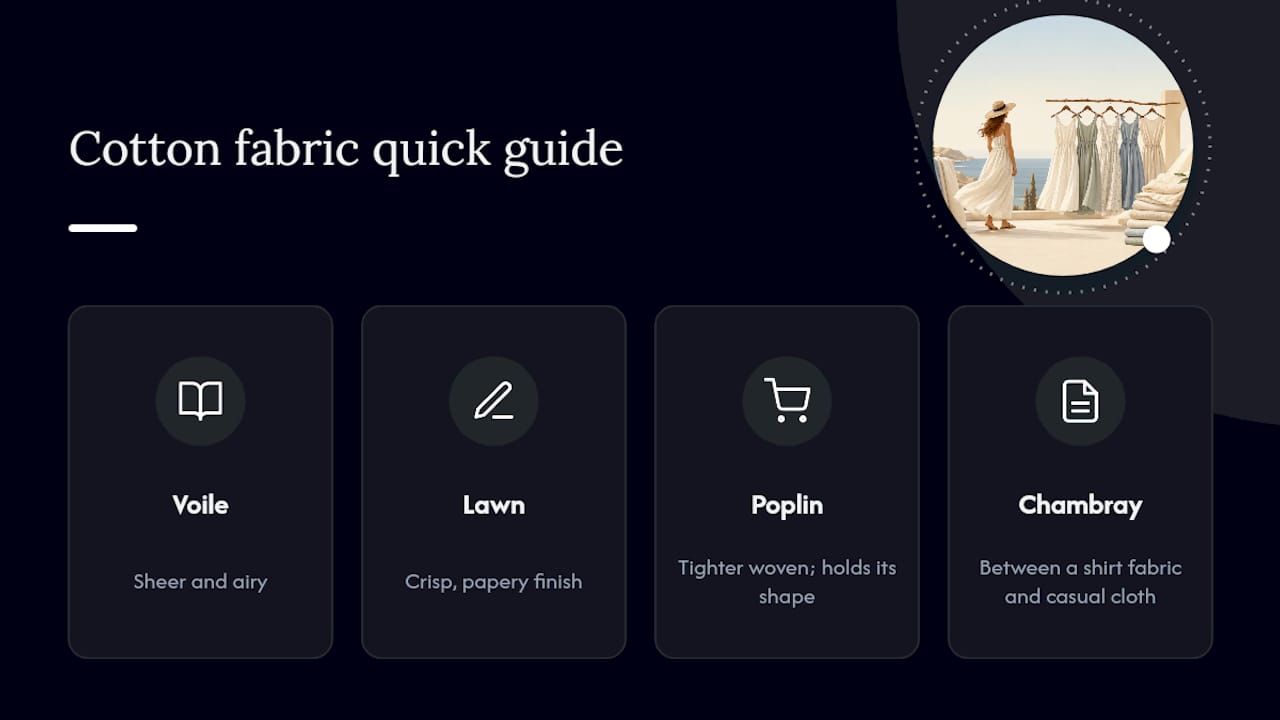
Cotton is the fabric most shoppers default to, and for good reason — it’s soft against the skin and breathable, and easy to care for. It’s soft against the skin, breathable, and easy to care for. But not all cotton dresses are equal. Voile is sheer and airy, lawn has a crisp, papery finish, poplin is tighter woven and holds its shape better, and chambray sits somewhere between a shirt fabric and a casual dress cloth. The catch is that cotton absorbs moisture readily and dries slowly compared with technical wicking fabrics, so on a genuinely humid day it can start to feel heavy against the skin, according to REI’s breathability guidance. Long-staple varieties such as Supima or Pima cotton soften this trade-off with a smoother hand and stronger yarn, worth checking for if a product page mentions them. Cotton suits day dresses and shirt dresses, and it’s fully machine-washable.
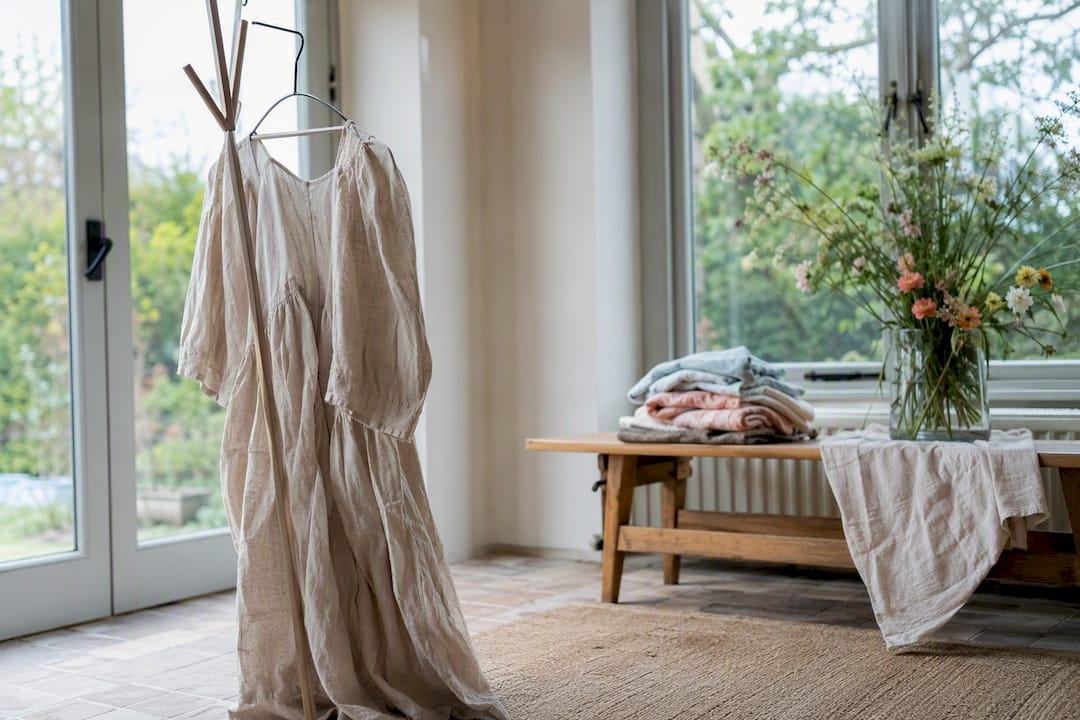
Linen is the hot-weather specialist. Its fibres are naturally hollow, which lets air pass through the weave far more freely than cotton, and the fabric dries quickly even though it does absorb moisture, according to Fumao Fabric’s guide to lightweight summer textiles. The wrinkling that comes with it isn’t a flaw so much as the fabric’s signature look, and it suits relaxed, oversized maxi silhouettes far better than anything tailored. If you want linen’s cool factor without quite so much creasing, a linen-cotton blend like the Verena mini dress softens the hand and knocks the wrinkling back a notch.
Viscose, rayon, modal, and Tencel™ are grouped together because they’re all cellulose-based fibres, but they don’t perform identically. Viscose and rayon drape beautifully, almost like silk, and feel cool against the skin, though standard viscose loses strength when wet and needs gentler handling. Tencel™, a branded lyocell, solves that problem: it’s made using a closed-loop production process that recovers and reuses solvents, and it holds up better when damp than older rayon variants. That combination of drape and durability makes it a smart pick for wrap dresses or anything bias-cut, where the fabric needs to skim the body rather than hang stiffly. The Selara maxi dress is a good example of what fluid viscose-family fabric looks like once it’s made up into a finished silhouette.
Silk remains the fabric of choice for special occasions rather than daily wear. It’s light, has a natural sheen, and breathes reasonably well, but it demands careful washing, usually by hand or on a delicate cycle, and it doesn’t take kindly to being screwed up in a bag at the bottom of a suitcase.
Synthetics, mainly polyester and nylon, get an unfair reputation, but engineered versions built for wicking and quick drying genuinely perform well for travel dresses or anything you’ll wear in sticky conditions, per Fumao’s fabric comparison. The trade-off is that breathability varies enormously depending on the weave and yarn used, and cheaper synthetics can hang onto odour after a warm day. As the Stitch Authority guide points out, you can’t judge a fabric on fibre type alone. Two polyester dresses can behave completely differently depending on how tightly the yarn is woven.
Blends, particularly linen-cotton or linen-viscose combinations, tend to be where manufacturers land when they want the best of both worlds. They soften linen’s roughness, cut down on ironing, and often drape better than either fibre would alone. Some ready-to-wear brands now use tri-blends, linen-cotton-rayon mixes, to combine linen’s air, cotton’s softness, and rayon’s fluidity into one lower-maintenance garment.
Pro Tip: Hold a fabric up to a window before buying. More light passing through generally means better airflow, a rough but genuinely useful test when you can’t feel the material in person.
How to choose the right fabric in five steps
- Read the fabric name, not just the fibre. “100% cotton” tells you far less than “cotton voile” or “cotton poplin”. The weave changes how the dress breathes and moves just as much as the fibre does.
- Match the fabric to what you’ll actually be doing. Long days outdoors call for linen or a loose cotton weave; humid climates favour loose construction and moisture-managing fibres; travel favours quick-dry nylon or polyester blends, or Tencel™ if you want drape without the crease.
- Decide how much drape you want. Wrap dresses and bias-cut styles need fluid fabrics like viscose or Tencel™; structured shirt dresses hold their shape better in cotton poplin.
- Check the care label before you check out. If you won’t iron, skip pure linen. If you won’t hand-wash, think twice about silk.
- When torn between two fabrics, pick the blend. A linen-cotton or linen-viscose mix usually gives you most of the benefits of both without the worst of either’s drawbacks.
Caring for summer dress fabrics without ruining them
Linen prefers a cold machine wash, reshaping while still damp, and either ironing on a damp setting or simply embracing the crease as part of the look. Cotton tolerates regular machine washing well but shrinks more than blends if you tumble dry on high heat. Viscose and rayon need a gentler cycle since they lose strength when wet, while Tencel™ handles washing more forgivingly thanks to its sturdier wet strength. Silk is the outlier: hand wash or dry clean, always.
Blended fabrics generally reduce both shrinkage and wrinkling while keeping most of the breathability of the natural fibre involved, which is exactly why they show up so often in ready-to-wear collections.
- Wash in cold water where possible
- Skip the fabric softener on linen; it flattens the texture that gives linen its cool factor
- Avoid high heat in the dryer, air dry or use a low setting instead
- Store dresses folded or on shaped hangers to stop delicate weaves stretching out of shape
Pro Tip: A gentle detergent and a cold wash cycle will add years to a linen or viscose dress that would otherwise pill or lose its shape after a handful of washes.
Dressing for humidity: why fit beats fibre
In genuinely humid conditions, the cut of the dress and the texture of the weave often matter more than which fibre it’s made from. A REI guide on hot-weather dressing notes that loose-fitting garments and textured weaves that keep fabric lifted off the skin do more for comfort than moisture-wicking alone, especially once a garment starts clinging to sweat.
- Favour seersucker, piqué, or other textured weaves that create tiny air pockets against the skin
- Size up or choose a relaxed silhouette rather than anything fitted through the torso
- Save fitted, clingy synthetic dresses for air-conditioned settings, not a muggy afternoon outdoors
- Reach for moisture-wicking blends only if you’ll be moving around and sweating, not just sitting in the heat
The takeaway that surprises most shoppers: fabric texture and fit are doing more work than fibre content once humidity climbs, so a loose linen-cotton sundress can outperform a fitted synthetic one even though the synthetic technically wicks better.
Why JV London chooses the fabrics it does
We build around linen blends and lightweight viscose because they carry the widest range of silhouettes, from the fluid drape in Selara to the softer hand in Verena and Elyse. Every purchase comes with free UK shipping and straightforward 30-day returns, so getting the fabric wrong costs you nothing but a swap.
— Mykola
Shop the fabrics this guide recommends
Once you know which fabric suits your climate and your wardrobe, the next step is finding the dress cut to match it. JV London’s collection runs from breezy linen maxis to structured viscose midis, so whether you’re after the drape of the Selara sleeveless maxi or the everyday ease of a casual V-neck mini dress, there’s a fabric match built into the design rather than left to guesswork.
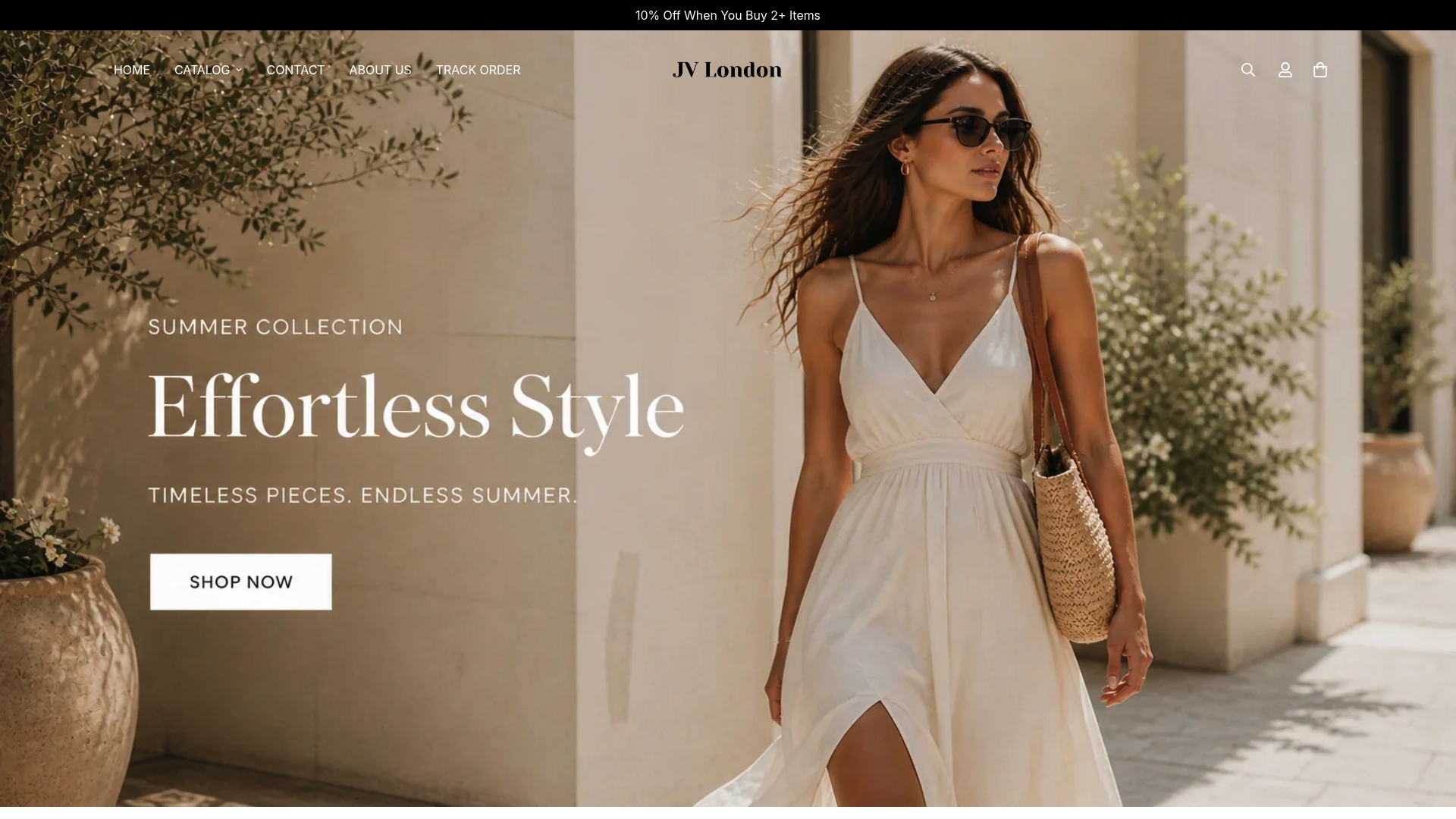
Every dress ships free within the UK, and returns are accepted within 30 days if the fit or fabric isn’t quite right once it arrives. If you’re after something with more structure for cooler evenings, the floral midi sundress with lace-up detail pairs well with a lightweight cardigan from the cardigan collection for changeable summer weather. Browse the current range and pick your fabric first, then let the silhouette follow.
Key Takeaways
The best summer dress fabric depends on the conditions you’ll wear it in: linen and loose cotton for dry heat, moisture-managing blends and relaxed fits for humidity, and viscose or Tencel™ when drape matters most.
| Point | Details |
|---|---|
| Favour linen for dry heat | Hollow fibres give linen the best natural airflow and fast drying of any common dress fabric. |
| Choose blends for easy care | Linen-cotton or linen-viscose blends cut down on wrinkling and shrinkage while keeping breathability. |
| Prioritise fit in humidity | Loose, textured weaves like seersucker beat tight synthetic fits even when the synthetic wicks moisture. |
| Match fabric to drape needs | Viscose and Tencel™ lyocell suit wrap and bias-cut dresses; cotton poplin holds structure better. |
| Shop by fabric at JV London | JV London’s linen, viscose, and cotton dresses, including Elyse and Veloria, come with free UK shipping and 30-day returns. |
Sources
- How to pick the most breathable fabrics | REI expert advice
- What are the best lightweight fabrics for summer dresses and blouses? – Fumao Fabric
- How to compare textile fibres without a natural-vs-synthetic shortcut | Stitch Authority