Value fashion finds are stylish, affordable pieces that deliver exceptional quality and versatility without draining your budget. The industry term for this approach is “cost-per-wear shopping,” a method that prioritises how often you’ll wear a piece relative to its price. 62% of Gen Z shoppers bought secondhand items in 2025, favouring selective finds over bulk hauls. That shift signals a broader truth: young women are getting sharper about where their money goes. Whether you’re hunting charity shop rails, timing end-of-season sales, or building a capsule wardrobe on a tight budget, the examples of value fashion finds in this guide will show you exactly what to look for and how to spot it.
1. What makes a fashion find truly valuable?
A genuine value fashion find scores high on three criteria: quality construction, styling versatility, and a strong cost-per-wear ratio. A piece you wear 50 times for £30 costs 60p per wear. A trendy £10 top you wear twice costs £5 per wear. The maths makes the case clearly.
Quality indicators to check before buying:
- Fabric weight: heavier fabric generally signals better construction and longer life
- Seam finishing: look for overlocked or French seams inside the garment
- Button and zip quality: metal hardware outlasts plastic on repeated use
- Stitching density: tighter stitches per centimetre indicate durability
Pro Tip: Run the fabric between your fingers. If it pills immediately or feels thin, it will look worn after three washes regardless of the price tag.
Fashion experts confirm that an affordable garment’s fit surpasses brand or price for overall style impact. A tailored £15 garment can appear more expensive than a £150 poorly fitting designer piece. That single insight changes how you shop entirely. Prioritise fit above everything else, and budget for minor alterations when needed.
Stylists also recommend spending more on high-wear basics like jeans and blazers, then saving on fast-changing trend pieces. A well-fitted pair of dark jeans worn three times a week for two years delivers far better value than five pairs of cheap jeans that lose their shape after a month.
2. Stylish thrift store finds that offer exceptional value
Charity shops and secondhand platforms are the richest source of budget fashion pieces with genuine quality. The key is knowing what to look for before you check the label. Experienced thrift shoppers assess “hanger appeal” by evaluating fabric weight, construction, silhouette, and hardware from across the rail. This skill alone separates great finds from wasted trips.
Real-world examples prove just how extreme the value can be:
- The £5 designer dress. One shopper pulled a Maje dress off a charity shop rail for £5, a garment with a retail value of £367. That represents a 98.6% discount. She spotted it by its fabric drape and structured hem before ever checking the label.
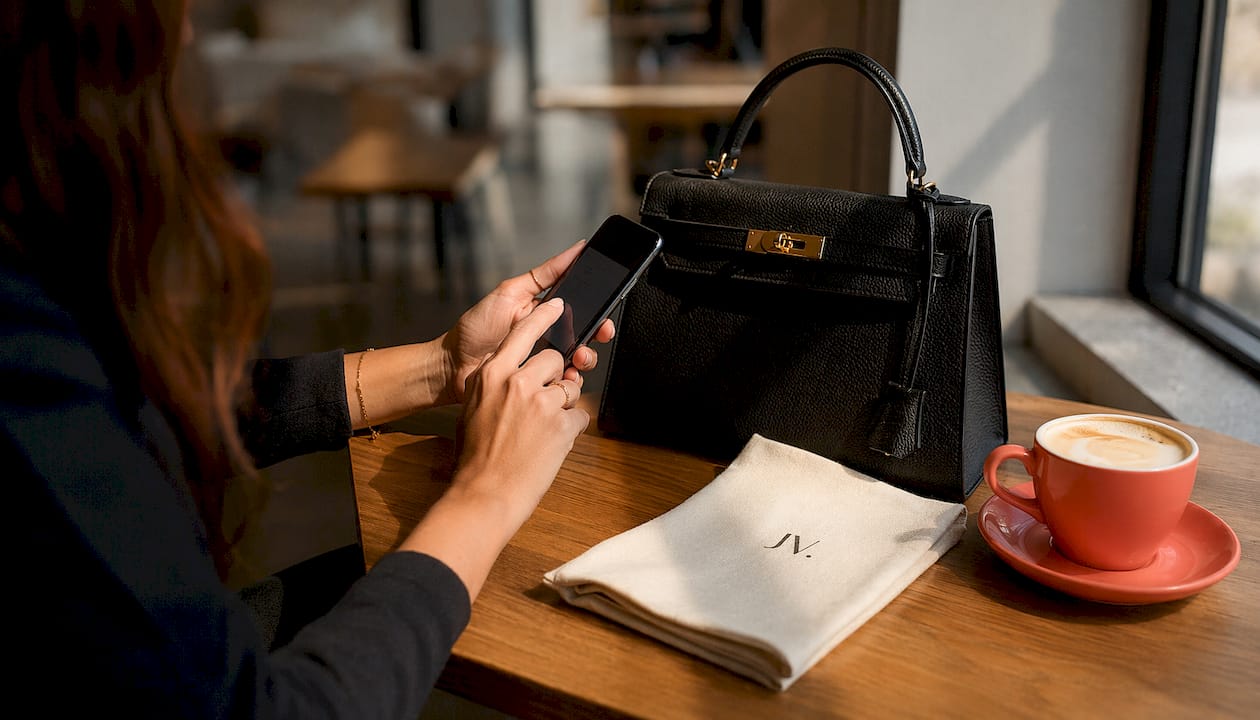
- The £8 luxury handbag. A luxury designer bag valued at $3,000 was found for $8 by recognising quality leather grain and solid brass hardware. The shopper authenticated it using Google Lens before purchasing.
- The vintage blazer. Wool blazers from the 1990s appear regularly in charity shops. A well-structured wool blazer in a neutral colour retails new for £120 or more. Secondhand, the same quality often costs under £15.
- The silk blouse. Real silk has a distinctive cool-to-touch feel and a natural sheen. Charity shops regularly stock silk blouses from mid-range and premium brands at under £10.
Tools like Google Lens and apps such as Authentic Detective help verify the authenticity of luxury secondhand pieces. Using them before you buy removes the guesswork entirely. Smartphone verification takes under two minutes and can save you from purchasing a convincing fake.
Pro Tip: Visit charity shops in affluent postcodes. Donations in wealthier areas skew heavily towards premium and designer labels, which means better finds at the same low prices.
3. End-of-season sales and discount shopping strategies
Timing is the single biggest lever in value fashion shopping. End-of-season sales typically offer discounts of 50–70%, with february and september being the optimal months for coats and dresses respectively. February clearances target winter stock, while september sales clear summer collections. Both windows are ideal for buying versatile pieces at a fraction of their original price.
How to shop sales without wasting money:
- Target basics and neutral colours first. A camel coat at 60% off will serve you for five years. A neon trend piece at 70% off may not survive one season.
- Write a list before you browse. Knowing what you need stops impulse purchases that feel like savings but add up to clutter.
- Use discount codes on top of sale prices. Many online retailers stack promotional codes with existing reductions, compounding your savings.
- Sign up for brand newsletters in advance. Flash sale notifications often go to subscribers 24 hours before the general public.
The seasonal sales guide from Jvwear breaks down exactly how to time purchases across categories for maximum savings. Knowing which categories drop in price and when turns sale shopping from a lucky dip into a repeatable system.
Statement pieces also work well in sales. A midi dress or a printed co-ord set bought at end-of-season pricing gives you a high-impact outfit for a fraction of the cost. The key is choosing pieces with enough classic appeal to wear across multiple seasons.
4. Budget-friendly fashion staples that elevate any outfit
The best budget fashion pieces are the ones that make everything else in your wardrobe work harder. Wardrobe stylists consistently point to the same core items: well-fitted jeans, a tailored blazer, a white or cream top, and a versatile midi dress. These pieces form the foundation that trendy additions plug into.
Accessories do the heavy lifting. Silk scarves and classic jewellery can elevate simple affordable basics to look sleek and sophisticated. A £6 charity shop silk scarf tied around a bag handle transforms a plain tote into something that looks considered and deliberate. A pair of simple gold hoops costs under £10 and works with almost every outfit.
Pro Tip: Buy shoes and bags in neutral tones. Black, tan, and nude footwear pairs with the widest range of outfits, meaning each pair gets worn far more often and delivers better cost-per-wear value.
Minor tailoring and shoe care can elevate inexpensive clothing to appear high-end. Removing shoulder pads from a vintage blazer, taking in a waistline, or shortening a hemline costs between £8 and £20 at most local tailors. That small investment can transform a £12 charity shop find into something that looks bespoke. Shoe polish and leather conditioner extend the life of budget footwear significantly, protecting your cost-per-wear investment.
For a practical starting list of affordable wardrobe essentials, Jvwear’s guide covers the specific pieces that deliver the most versatility per pound spent.
5. How to continuously build a value-driven wardrobe
Consistently finding great value pieces requires habit, not luck. The shoppers who build the best wardrobes on tight budgets follow a repeatable process rather than shopping reactively.
- Know your measurements. Write them down and keep them in your phone. Secondhand shopping moves fast, and knowing whether a size 12 in a specific brand fits you saves time and prevents costly mistakes.
- Visit thrift shops regularly, not occasionally. Stock turns over weekly. Shoppers who visit every two weeks see a completely different selection each time. Treat it like a standing appointment rather than a one-off trip.
- Track sale timelines. Note when your favourite retailers run their biggest discounts. Most follow the same annual pattern: january, february, july, and september are the peak discount windows.
- Balance trends with classics. Buy trend pieces cheaply from sales or secondhand sources. Invest slightly more in classic pieces that will last three to five years. This ratio keeps your wardrobe feeling current without constant spending.
- Authenticate before you buy. For any secondhand piece over £30, spend two minutes on Google Lens or a dedicated authentication app. It protects your investment and builds confidence in your buying decisions.
- Use outfit-stretching techniques. A practical checklist for tight-budget outfits helps you maximise what you already own before adding new pieces. Buying less and wearing more is the foundation of genuine value shopping.
The goal is a wardrobe where every piece earns its place. Each item should work with at least three others, cover at least two occasions, and have a clear cost-per-wear projection when you buy it. That discipline turns budget shopping into a genuine style strategy rather than a compromise.
Key takeaways
Value fashion finds deliver the best results when you combine quality assessment skills, smart timing, and a clear wardrobe strategy rather than shopping on impulse.
| Point | Details |
|---|---|
| Prioritise fit above price | A well-fitted affordable piece always looks better than an expensive poorly fitting one. |
| Use hanger appeal skills | Assess fabric weight, seam quality, and hardware before checking labels in thrift shops. |
| Time sales strategically | February and September offer 50–70% discounts on coats and dresses respectively. |
| Accessories amplify value | Silk scarves and simple jewellery transform basic budget pieces into polished outfits. |
| Tailoring multiplies impact | Spending £8–£20 on minor alterations can make a £12 find look bespoke. |
Why value fashion finds changed how I shop
I used to think budget shopping meant settling. That changed the first time I found a beautifully constructed wool coat on a charity shop rail for £9. It fit perfectly, the lining was intact, and it lasted six winters. That coat cost me less than £1.50 per wear by the time I retired it.
What I have learned since is that the skill is not in finding cheap things. It is in recognising quality when it is priced incorrectly. Most people walk past great pieces because they are not looking at the right signals. Fabric weight, seam construction, and hardware quality tell you everything before you even check the label. Once you train your eye, charity shops and end-of-season sales become genuinely exciting rather than overwhelming.
The emotional side matters too. There is a specific satisfaction in wearing something that cost you almost nothing but looks like it cost a great deal. It builds a different relationship with your wardrobe. You stop chasing trends and start curating pieces that actually work for your life. I also think it makes you more creative. When you cannot afford to buy everything, you learn to style what you have with more intention. That constraint produces better outfits than an unlimited budget often does.
My advice: learn how to shop affordable fashion online with the same discipline you would apply in a charity shop. Evaluate quality, check fit guides carefully, and only buy pieces you can see wearing at least ten times.
— Mykola
Jvwear’s curated picks for value-conscious shoppers
Jvwear’s collections are built around exactly the kind of versatile, well-priced pieces that define genuine value fashion shopping. Every item is selected to work across multiple occasions without requiring a large wardrobe or a large budget.
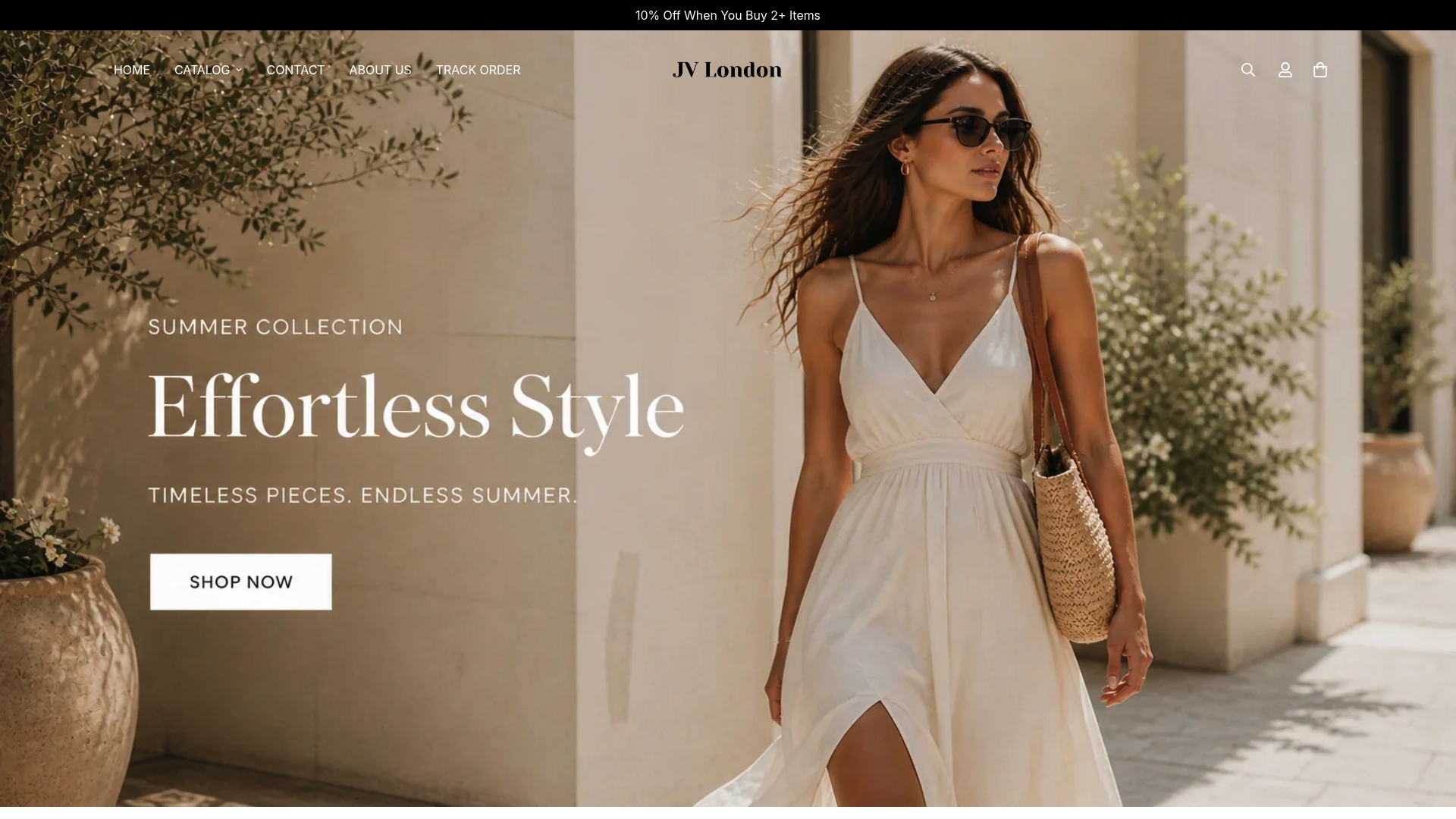
The cardigan range at Jvwear covers the kind of layering staple that stylists consistently recommend as a high-use, high-value wardrobe essential. For a complete outfit solution, the two-piece midi dress set offers a coordinated look that removes the effort of outfit building entirely. Jvwear offers free UK shipping and hassle-free returns within 30 days, so you can shop with confidence and assess fit properly before committing.
FAQ
What defines a value fashion find?
A value fashion find is an affordable piece that delivers strong quality, versatility, and a low cost-per-wear ratio. The best finds score well on fabric quality, fit, and the number of occasions they cover.
How do I spot quality in a thrift shop?
Assess fabric weight, seam finishing, and hardware quality before checking the label. Experienced thrift shoppers use hanger appeal to identify valuable garments from across the rail by silhouette and construction.
When is the best time to shop end-of-season sales?
February and September are the optimal months for the deepest discounts, typically 50–70% off. February clears winter stock and September clears summer collections.
How can I authenticate a secondhand luxury piece?
Use Google Lens or a dedicated app such as Authentic Detective to verify authenticity before purchasing. Both tools provide database verification and can identify genuine hardware and label details within minutes.
Are budget fashion pieces worth tailoring?
Minor alterations costing £8–£20 can transform a cheap find into something that looks bespoke. Simple interventions like hemline adjustments dramatically increase both the style and perceived value of affordable garments.